Focused arrival windows
Useful updates and clear arrival timing.
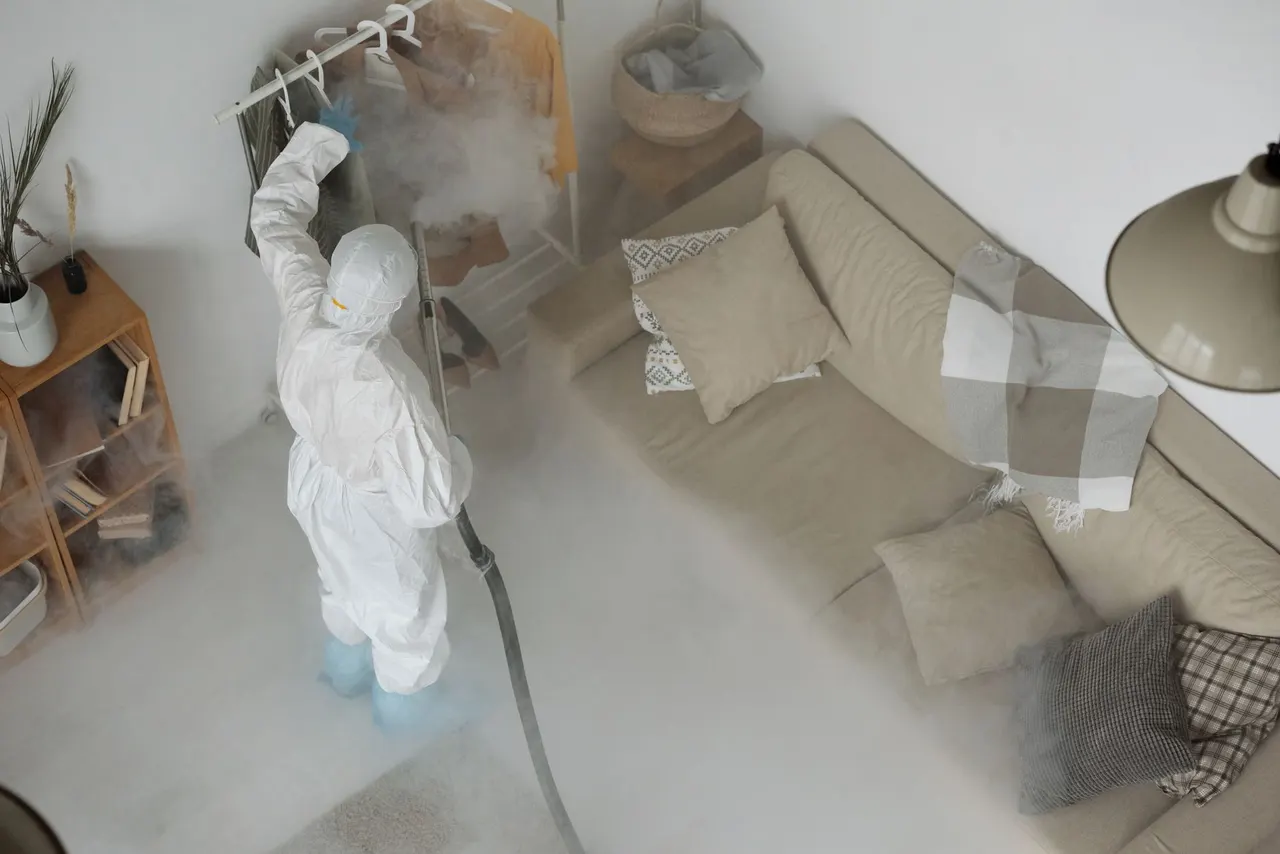
Pest Control in Southwest Detroit starts with finding how pests enter, where they feed, and what conditions keep them active. We serve Springwells, Mexicantown, Delray, and nearby blocks, from older homes with gaps around pipes to food businesses managing daily deliveries. Aardvark Motown Pest Control has worked in Detroit since 1980. Tell us what you have seen, and we will plan a focused inspection and treatment for your property.
Useful updates and clear arrival timing.
Review the approach and price before deciding.
Equipped vehicles and respectful cleanup.
Neighbors serving neighbors with follow-through.
Pest Control in Southwest Detroit is a property inspection and treatment service that identifies pest activity, reduces active infestations, and closes the conditions that let pests return. Our work covers Springwells, Vernor, Chadsey Condon, Mexicantown, and Delray, where homes, restaurants, shops, and industrial properties sit within a dense residential and commercial mix. Older homes often have settling gaps, utility penetrations, and basement access points that call for careful inspection rather than a quick surface spray. Our Southwest Detroit Pest Control begins by checking the evidence you report and the routes pests use. We use targeted products and placement, including bait stations or snap traps where appropriate, and explain what to expect after treatment. For food businesses, we plan around operating hours and sanitation routines. For a house near Clark Park or a property off West Vernor Highway, the goal is the same: identify the source, act on the infestation, and give you practical steps to reduce repeat activity. Call Aardvark Motown Pest Control at (313) 879-5917 to discuss your building and the pest you have found.

Southwest Detroit properties range from single-family houses and multi-unit buildings to restaurants, offices, and warehouse spaces. The right response depends on the pest, access, and whether activity is isolated or spread through shared walls, storage, or food-preparation areas. We inspect before selecting products or devices, then explain placement and follow-up. If you need affordable pest control in Southwest Detroit, tell us the pest, building type, and signs you have noticed; those details help us match the visit to the actual problem.
For homes and storefronts in Springwells or Chadsey Condon, we inspect kitchens, basements, utility penetrations, and exterior edges for active pest signs. Treatment targets the pest identified, with monitoring and practical exclusion recommendations so you know what to watch after the visit.
View service →02Rodent work in Southwest Detroit starts with locating droppings, rub marks, nesting material, and access points around foundations or service lines. We set suitable traps or bait stations, check conditions around alley-facing doors and storage areas, and identify openings that need sealing.
View service →03Mice can enter through small gaps around pipes, doors, and basement windows in older homes near Vernor. We inspect likely travel routes, place snap traps or monitors where children and pets can be kept clear, and show you which openings should be closed.
View service →04Rat activity around dumpsters, loading areas, and alley access needs a measured response. We map signs, assess food and shelter sources, and choose secure devices and follow-up checks suited to the property. For commercial customers, we coordinate treatment around deliveries and waste handling.
View service →05In Mexicantown restaurants and Southwest Detroit apartments, cockroach control depends on finding harborage near water, heat, and food. We inspect behind and beneath equipment where access allows, use targeted baits or other appropriate materials, and give you sanitation steps that support treatment.
View service →06Ant trails often lead from a foundation gap, window frame, or food source into a kitchen. We trace the route instead of treating only visible workers, then select a targeted application or bait approach for the species and conditions at your Southwest Detroit property.
View service →07We check basements, garages, storage corners, and exterior openings for webs and the insects spiders feed on. In homes around Springwells and Delray, reducing clutter and sealing accessible gaps can help limit repeat activity after targeted treatment of the affected areas.
View service →08Bed bug inspections focus on mattress seams, bed frames, upholstered furniture, and nearby cracks in apartments and homes. We confirm signs before treatment, explain preparation for the affected rooms, and select a treatment plan based on the extent of activity and property layout.
View service →09Heat treatment requires careful room preparation and temperature monitoring throughout the treated space. We review belongings and access first, then plan the service to reach bed bug hiding places in beds, furniture, and adjoining areas without leaving untreated pockets.
View service →Southwest Detroit Pest Control starts with a walkthrough of the affected rooms and the building perimeter, including basements, utility penetrations, delivery doors, and waste areas. We ask where and when you saw activity, then check for fresh signs before choosing traps, baits, or a targeted application. In older homes, gaps around pipes and settling cracks matter; in restaurants and warehouses, receiving and storage routines matter. We arrange access with you, including apartment entry or commercial operating hours, and account for parking and alley access when planning the visit. Michigan winters drive rodents toward warmth, while spring rain and summer moisture can leave standing water and increase insect activity. We use products according to their labels and applicable requirements, and explain any room preparation or re-entry instructions. If you need same-day pest control Southwest Detroit MI, call with the pest, address area, and urgency so we can check the schedule. After service, we identify follow-up checks and the repairs or housekeeping changes that will reduce pressure, not just mask signs.
Small, overlooked openings let mice and insects move between exterior spaces and finished rooms. A visible pest may be only the sign of a route behind a cabinet, in a basement, or around a utility line. We inspect the reported room and trace likely routes toward the foundation and service penetrations. We recommend suitable sealants or exclusion screens after activity is assessed, and place traps or monitors where they can be checked safely. You get a clear distinction between active treatment and repairs that need attention.
Accessible food scraps and sheltered edges around dumpsters can attract rodents, especially where storage areas and building entrances are close together. If outdoor conditions remain unchanged, indoor control alone may not resolve recurring signs. We check exterior edges, door sweeps, dumpster surroundings, and the route between waste and the building. We can recommend tighter waste handling and secure entry points while setting appropriate monitoring or traps. For a business, we coordinate around collection and delivery routines.
Treatment and inspection must respect food preparation, cleaning, staff access, and deliveries. A poorly timed visit can interrupt service or leave important areas inaccessible during the inspection. We arrange a workable access window with the person responsible for the site and identify the rooms or equipment that need attention. We explain any preparation, use targeted products where appropriate, and focus recommendations on storage, sanitation, and gaps around receiving doors.
Pesticide applications must follow the product label, including approved sites, rates, placement, and safety directions. We use label-compliant methods and explain any access or re-entry directions that apply to your property and treatment.
EPA-registered products must be used according to their labeling. That governs where a product may be applied and what precautions are required; we select treatment based on the pest and the property rather than applying products indiscriminately.
Southwest Detroit has humid summers, freezing winter stretches, and older building stock alongside active commercial and industrial properties. Seasonal temperature changes can push pests toward warm indoor spaces, while rain and standing water can create conditions for insect activity outdoors. Older homes often have utility gaps and basement access points that need inspection. In dense residential and commercial blocks, waste handling and shared building routes matter too. Southwest Detroit Pest Control works best when treatment and property conditions are addressed together, without assuming every building has the same cause.
Older structures can have openings where pipes, cables, and foundations meet, and stored basement items can offer shelter. When Michigan temperatures drop in fall, mice seek protected spaces with food and warmth, making small entry points important. We inspect the rooms where you found signs and trace the route toward likely access points. We use appropriate traps or monitors, explain safe placement, and identify gaps for repair. Follow-up checks help determine whether activity has stopped or another route remains.
Accessible food waste, sheltered corners, and gaps near storage doors can support rodent activity around commercial properties. Alleyways serving closely spaced homes and businesses can make outdoor conditions relevant to an indoor infestation. We assess waste storage, door edges, travel signs, and the building perimeter before selecting secure control devices. We also identify practical changes to waste handling and access points. Businesses receive a plan that accounts for deliveries, collection, and staff movement.
Warm appliances, moisture under sinks, food residue, and openings around plumbing create favorable hiding areas. In apartments and food businesses, repeated use of shared service routes or stored goods can make it important to inspect beyond the first sighting. We inspect likely harborages, confirm where activity is concentrated, and use targeted treatment and monitoring. We explain cleaning, moisture, and storage steps that support the service. In multi-unit properties, we discuss whether adjoining areas should also be checked.
Warm, wet months support mosquito activity where water remains in containers or drainage areas. Wasps may build nests in protected eaves, sheds, or wall spaces. Outdoor activity varies with weather and the specific conditions around each property. We inspect the relevant yard, entry, or roofline and identify the source before treating. For mosquitoes, we point out water that can be emptied or maintained; for a nest, we assess its location and choose a safe, targeted response. Keep people clear until the site is addressed.

Typical 2026 pricing for Southwest Detroit pest work depends on the pest, property size, access, and whether follow-up visits are needed. A single-room inspection or limited insect treatment may run about $150-$300; rodent work with inspection, devices, and return checks often falls around $200-$500. Bed bug treatment can range from $500-$1,500 or more depending on rooms and preparation. These are planning ranges, not a quote for your address. Southwest Detroit Pest Control costs rise when activity spans multiple units, requires specialized equipment, or involves difficult access and repeated monitoring. We discuss the price before work starts, based on the pest and the property details you provide.
A few ants around one window require less work than an established cockroach infestation or repeated rodent signs across a basement and kitchen. The number of affected rooms, severity, and need for follow-up all influence the service plan and total price.
A compact apartment with clear access differs from a multi-unit building, restaurant, or warehouse with storage and restricted work areas. Extra inspection time, coordination, and treatment locations can increase labor, particularly when several rooms or shared spaces are involved.
Some infestations need monitoring or repeat treatment to confirm activity is declining. Closing an entry gap, correcting moisture, or improving waste storage may also require separate property work. We explain which items are pest treatment and which are recommended building corrections.
We use familiar landmarks to confirm the right side of the service area and help plan a direct approach to your property. Clark Park, Ste. Anne de Detroit Church, and the Bridge over Rouge River are orientation points, not claims about where service is performed. Tell us the closest landmark, cross street, building entrance, and ZIP code when you call. For businesses, note whether the service entrance is on the street or through an alley so we can coordinate arrival and access.
Clark Park is a recognizable Southwest Detroit orientation point. Sharing whether your property is near the park and providing the nearest street helps distinguish the correct residential block when arranging directions.
Mexicantown Mercado is a named local destination that helps identify the surrounding Mexicantown area. Use it as a reference alongside your exact address or cross streets when coordinating a service visit.
Ste. Anne de Detroit Church is a prominent historic landmark in Southwest Detroit. It can help orient a caller describing a nearby street, while the property address remains the key detail for reaching the correct entrance.
West Vernor Highway is a key local corridor and useful directional reference. Share the nearest intersection and whether your building faces the corridor or is reached from a side street.
The Bridge over Rouge River is an orientation point for the Delray side of the service area. Giving the nearby street and property entrance helps us plan access without relying on the landmark alone.
West Vernor Highway includes a mix of local businesses, restaurants, services, and nearby residences. The corridor's varied property uses mean access and operating hours can differ from one customer to another.
Mexicantown includes restaurants, food businesses, shops, and residential properties. Its commercial and residential uses share a compact area, so clear directions to the specific building and entrance are useful.
This corridor provides a useful route reference for reaching addresses in the surrounding Southwest Detroit area; customers should provide the nearest cross street and entrance.
The bridge is a clear access reference when locating properties in the Delray portion of the service area. Exact address details remain necessary for arrival.
Our service area includes the residential streets, mixed-use corridors, and commercial properties that make Southwest Detroit distinct. We serve Springwells, Vernor, Chadsey Condon, and Mexicantown, as well as nearby Delray. ZIP coverage includes 48209 and 48210, with service extending into 48216 and 48217. Tell us your cross streets or ZIP when you call; it helps us understand access and the kind of property you need treated.
Springwells includes established residential blocks where basements, porches, garages, and older exterior details can affect pest entry. If you notice droppings near stored items or scratching behind a kitchen wall, we inspect the room and likely access points before selecting a treatment. We plan access from your street details and ZIP code, then coordinate a visit around household or building access.
The Vernor area combines homes, storefronts, and food businesses along a busy corridor. Pest concerns can differ from one property to the next, so we distinguish kitchen activity from exterior or storage-area signs and tailor service to the building's use. West Vernor Highway is a useful orientation point when you share the nearest cross street and entrance.
Chadsey Condon has residential streets and properties with varied ages and layouts. We check basements, attached garages, and service penetrations when rodents or insects appear indoors, and explain which openings or storage conditions should be addressed after treatment. Give us your nearest major street and whether the property is a house, apartment, or business.
Mexicantown brings residential blocks together with restaurants and food businesses. We plan pest inspections around kitchens, receiving doors, dry storage, and waste areas, while household visits focus on rooms where you found evidence and the routes pests may use. We use Mexicantown Mercado and nearby corridor details as orientation when arranging local access.
These examples illustrate how a useful pest visit moves from evidence to action: inspect, identify contributing conditions, treat the active problem, and set a measurable follow-up. Results vary with pest pressure, building access, and the changes made after service. We do not treat one visit as proof that every entry route is closed; we check the relevant signs and explain what should happen next.
A household in Springwells found mouse droppings beneath a kitchen sink and heard activity near a basement utility line. We inspected the kitchen, basement, and adjacent exterior wall, then identified a gap near the service penetration and a travel route behind stored items. We placed snap traps in controlled locations, explained safe access around them, and recommended sealing the opening after activity was addressed. At the follow-up check, the customer reported no new droppings for 14 days and the monitored traps showed no new capture. The remaining step was to keep the utility area clear and maintain the sealed entry point.
A food business near West Vernor Highway reported cockroach sightings around a sink cabinet after closing, with no activity in the dining area. We inspected under the sink, around plumbing access, and near food storage. After confirming the likely harborage, we applied targeted treatment and set monitors in discreet locations. We also pointed out a moisture issue and a small opening around a pipe that the business could correct. The business checked monitors over the next 21 days and reported a decline in sightings after treatment and moisture correction. The manager kept the service access clear for the scheduled inspection.
A Delray property owner found rat signs near an alley-facing storage door and around bags awaiting waste collection. We checked the door edge, storage area, and exterior signs, then placed secure control devices at identified travel points. We recommended improving waste containment and repairing the door gap. The service plan included a follow-up check to assess activity rather than relying on a single placement. The next inspection found fewer fresh signs and no new activity at the interior monitor. The owner tightened waste storage and corrected the door gap, reducing access to both food and shelter.

We called after finding mouse droppings under the sink in our Springwells house. The technician checked the basement too and showed us the gap around a pipe instead of just setting traps and leaving. We got clear instructions on where the traps were placed and what to move. The follow-up check helped us confirm the signs had stopped.
Our restaurant had a cockroach problem near the dish area, and we needed the work arranged around opening hours. The inspection focused on the sink cabinet and plumbing access. We received practical cleaning and moisture advice, and the monitors made it easier to see whether activity was dropping after treatment.
We heard scratching in the wall of our Delray home and were worried it was coming from the basement. The technician checked the utility area and the outside wall, explained the likely mouse route, and gave us a straightforward plan. The visit was focused on the problem we called about.
As November turns toward winter, rodent calls often focus on sounds, droppings, and gaps around basements or utility lines. Cold weather can drive pests toward heated buildings, while spring brings rain and renewed insect activity. Summer heat supports mosquitoes and wasps where property conditions allow; fall brings leaves, cooler nights, and increased attention to entry points. If you need same-day pest control Southwest Detroit MI during a seasonal spike, share the pest and the signs you found so we can identify the right service.
As temperatures rise and rain returns, ants may appear indoors and mosquitoes can develop where water remains in containers or drainage areas. Check basement edges and exterior doors after thaw, particularly where winter movement may have exposed a gap.
Warm weather increases outdoor insect activity, including mosquitoes and wasps around sheltered exterior spaces. Restaurants and homes may also see more pest pressure where food, water, or waste is accessible. A nest close to a doorway deserves prompt attention.
Cooler nights and falling temperatures encourage mice and other pests to seek protected indoor spaces. Leaves and stored items can hide foundation gaps, while commercial receiving doors may stay open during deliveries and create access opportunities.
In winter, rodent activity may become easier to notice indoors as pests follow warmth and food. Scratching near a basement or kitchen, fresh droppings, and gnaw marks warrant attention; freezing conditions do not eliminate pests already inside a heated building.
Southwest Detroit connects to a broader Detroit service region, and customers sometimes need help at more than one property. Our routes extend to Downtown Detroit, Midtown Detroit, Corktown, Mexicantown, Greektown, and Eastern Market. Travel time depends on the address, traffic, and the day's schedule, so share your location and pest concern when you call. The same inspection-first approach applies across homes, apartments, restaurants, offices, and commercial buildings.
Downtown Detroit lies northeast of Southwest Detroit; customers with properties in both areas can discuss service needs in one call.
Local coverage and details
Midtown Detroit is farther northeast within the same Detroit service region, with routes planned around the specific property address.
Local coverage and details
Corktown borders the broader west-side service area and connects customers between Southwest Detroit and central Detroit.
Local coverage and details
Mexicantown is a Southwest Detroit neighborhood within this page's service area, with residential and commercial properties served locally.
Local coverage and detailsA good pest contractor should explain what they inspected, what pest they identified, and why the chosen treatment fits your building. In Southwest Detroit, ask how the plan changes for an older house, restaurant, apartment, or warehouse; access and follow-up are not interchangeable. Ask about product placement, safety directions, monitoring, and how entry points or waste conditions affect results. A clear answer should name the work and next step in plain language, not rely on broad promises.
The answer should describe evidence such as droppings, trails, nesting material, entry gaps, or insect harborages. A contractor who inspects first is more likely to distinguish the pest and the source, rather than applying the same treatment to every home or business.
Restaurant treatment must account for food preparation, storage, cleaning, staff access, and operating hours. Look for a clear explanation of where products or monitors will go, what preparation is needed, and how the service fits your daily routine.
Some problems require monitoring or repeat visits to confirm activity has declined. A useful answer gives a practical timeframe and explains what signs the technician will check, rather than promising that one visit always solves every infestation.
Rodents and insects often use openings around pipes, doors, and foundations. The answer should separate pest treatment from exclusion work and name the likely locations to inspect. Knowing the route helps prevent repeated calls for the same access point.
Michigan pesticide work must follow applicable licensing requirements and product labels. Ask who performs the application, what precautions apply, and how the treatment is selected for your property. Straight answers show that safety and proper placement are part of the work.
National Pest Management Association
National Pest Management Association
General liability coverage
Member
Trade association affiliation
Typical 2026 service ranges are about $150-$300 for a limited insect issue and $200-$500 for many rodent jobs with inspection and monitoring. Bed bug work can range from $500-$1,500 or more, depending on rooms and preparation. The pest, property size, access, and follow-up needs change the price. Call with your ZIP code, building type, and signs so we can discuss the right service.
Choose a company that inspects before treatment, explains product placement, and provides a clear follow-up plan. Aardvark Motown Pest Control has served Detroit for 46 years and works across homes, apartments, restaurants, and commercial properties. Ask how the technician will identify the pest, check entry routes, and protect food or household areas. The best fit is the one that addresses your actual building and problem.
You need an inspection when you find repeated droppings, insect trails, cockroaches, a nest near an entrance, or unexplained scratching inside a wall or ceiling. A single sighting can have a simple cause, but recurring signs point to activity that deserves attention. For residential pest control Southwest Detroit, tell us which room is affected, when signs appear, and whether children or pets use that area.
Common calls include mice and rats, cockroaches, ants, spiders, bed bugs, mosquitoes, and wasps. Which pest appears depends on the building, season, food and moisture conditions, and entry points. Older homes may need careful checks around basements and utility lines, while restaurants need attention to kitchens, receiving doors, and storage. We identify the pest before recommending treatment.
Look for a company that asks about the property, inspects evidence, follows pesticide labels, and explains treatment and follow-up in plain terms. Ask how it handles your specific setting, such as an older home, apartment, or food business. For pest control companies in Southwest Detroit MI, compare the inspection process and the clarity of the plan, not just the first price quoted.
Not seeing your question? Our local team can help you understand urgency, scheduling and what to expect.
Ask the local team
Call Aardvark Motown Pest Control at (313) 879-5917 to discuss insects, rodents, bed bugs, termites, or wildlife at your property. Our regular phone hours are Monday through Friday, 8:00 a.m. to 6:00 p.m.; leave a message outside those hours and include your Detroit neighborhood and the pest activity you noticed. We will respond during business hours.