Focused arrival windows
Useful updates and clear arrival timing.

Bed Bug Heat Treatment Detroit MI gives homeowners, renters, and property managers a room-wide option for an active bed bug infestation. Our technicians prepare the space, monitor temperatures, and treat vulnerable areas rather than relying on surface sprays alone. We also provide thermal remediation Detroit for occupied homes and multi-unit properties that need a carefully managed treatment plan. If you are finding bites, live insects, or dark spotting on bedding, call us to discuss next steps.
Useful updates and clear arrival timing.
Review the approach and price before deciding.
Equipped vehicles and respectful cleanup.
Neighbors serving neighbors with follow-through.
Bed bug heat treatment includes an inspection of reported rooms, a preparation plan, equipment setup, monitored heating, and post-treatment guidance. We explain what needs to be moved or protected before work begins and identify the areas included in the treatment. Separate pest issues or additional rooms require their own assessment so the plan stays clear and focused.
We check the sleeping area and nearby furniture for live bed bugs, eggs, cast skins, and spotting. The inspection helps define which rooms need treatment and where sensors should be placed. You can point out bites or sightings, but physical evidence guides the service plan.
We provide directions for laundry, bagging, clutter reduction, and heat-sensitive belongings. Items such as candles, aerosols, plants, and some medications need special handling. Following the checklist lets heated air reach furniture and floor edges and reduces avoidable delays on treatment day.
Technicians position commercial heaters, fans, and temperature sensors to cover the designated rooms. Sensors monitor different points, including areas where furniture or room geometry can slow warming. We adjust equipment as readings change rather than assuming one location represents the whole space.
We track temperature and exposure through the active heating period, which commonly takes four to eight hours. The treatment target is evaluated at monitored locations and adjusted for site conditions. We explain the readings and the room re-entry instructions before equipment is removed.
You receive practical direction for laundry, belongings, and monitoring after the treatment. We explain how to recognize new activity and when to contact us for a follow-up discussion. Monitors can help you check for signs without relying only on bites, which are not a reliable indicator on their own.
Share what is happening and receive a clear next step from the local team.
Bed Bug Heat Treatment Detroit MI is a whole-room pest treatment that raises infested areas to lethal temperatures for bed bugs and their eggs. We use commercial heating equipment, temperature sensors, and targeted air movement to warm beds, furniture, floor edges, and other hiding places. Technicians track multiple points throughout the treatment, because a hot room does not guarantee that a cold mattress seam or packed drawer has reached the required range. Preparation and monitoring matter as much as the heater.
Detroit homes include older brick houses, apartments, converted flats, and newer multi-unit buildings, each with different heat paths and access needs. Winter drafts, shared walls, clutter, and repeated furniture movement can complicate an infestation. Our thermal remediation Detroit approach starts with an inspection and a practical preparation plan. If you have searched for bed bug heat treatment near me Detroit MI, we can assess the rooms, explain what to remove, and schedule a treatment plan suited to the property.

We inspect beds, seams, upholstered furniture, baseboards, and nearby belongings for live insects, eggs, cast skins, and spotting. A thermal imaging camera can help identify temperature patterns during planning, but it does not detect bed bugs by itself. The inspection usually takes 30 to 60 minutes for a standard home, depending on the number of rooms and clutter.
We give you a room-by-room checklist for laundry, medications, aerosols, candles, plants, and heat-sensitive belongings. You bag washable fabrics before moving them, reduce floor clutter, and leave furniture accessible. Preparation often takes several hours and is a major part of the result; we review special items with you before equipment is started.
Our technicians position heaters, fans, and temperature sensors to move hot air without directing it carelessly at one surface. We check outlets, clearances, and the items marked for removal from the treatment area. Equipment placement varies by floor plan, and we keep monitoring points near likely hiding zones such as bed frames and upholstered furniture.
We raise room and item temperatures into the treatment range, commonly about 120 to 135 degrees Fahrenheit at monitored locations, and maintain exposure based on readings and site conditions. The active heating phase often lasts four to eight hours. We check sensors throughout rather than relying on a single room reading.
Before equipment is removed, we review the recorded temperature points and inspect accessible areas. We explain room re-entry, laundry handling, and monitoring steps, including what to do if you see activity. Follow-up timing depends on the property and observations; a return inspection can be arranged when the treatment plan calls for one.

These heaters raise temperatures in the designated rooms. Technicians adjust their placement and output to suit room size, furniture, and airflow rather than relying on one fixed setup.
Sensors record conditions at multiple points, including locations near furniture and likely harborages. Readings help the technician verify progress and decide whether the heating cycle needs adjustment.
Thermal imaging cameras show temperature patterns across surfaces and help technicians spot cooler zones during setup. They do not identify bed bugs, so visual inspection and sensor readings remain essential.
A vacuum unit may be used to remove visible insects or debris from suitable areas during inspection or follow-up. It supplements the treatment plan and is not a substitute for controlled heating.
Catchmaster glue boards or suitable monitors can help track activity after treatment when placed in appropriate locations. They provide an observation aid, not proof by themselves that an infestation is absent.
We use controlled heat to raise the temperature of the designated room and its contents into the treatment range. Technicians check multiple sensors and adjust air movement to reduce cooler pockets. The exposure period depends on readings and site conditions, so the heater is not shut down simply because the room air feels hot.
Inspection identifies evidence and likely harborages before equipment is placed. We combine visual checks, preparation review, and temperature monitoring to guide the job. Where a label-approved supplemental product is warranted, we use it only for its intended purpose and keep its instructions separate from the heat-treatment steps.
After heating, we explain where to monitor and which signs deserve a follow-up call. Monitors, clean bedding checks, and careful observation help distinguish continuing activity from old evidence. If a new live bed bug appears, report the location and date so we can assess what the next step should be.
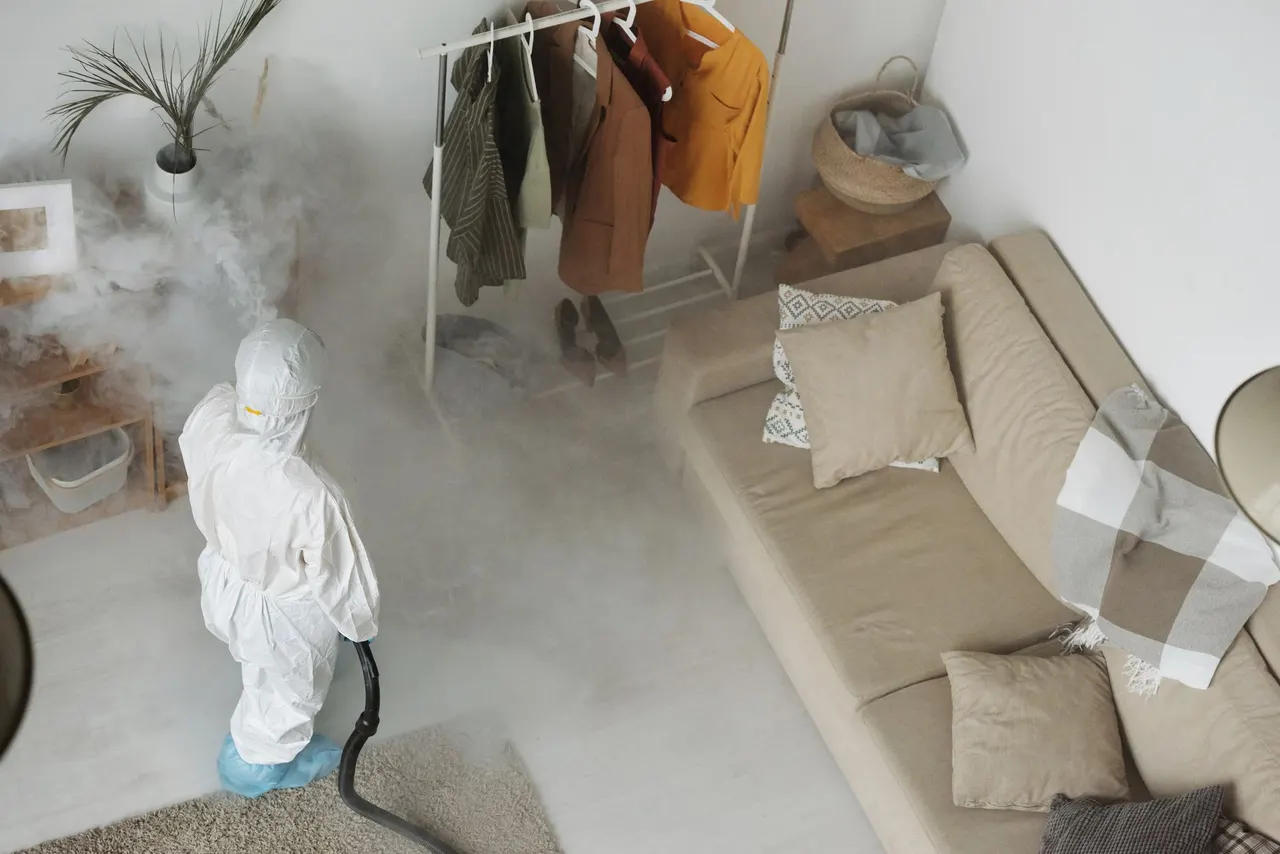
We inspect the bed and nearby furnishings, confirm evidence, and discuss whether the room can be prepared for heat. The renter receives instructions for separating washable fabrics and keeping the suspected furniture in place until the technician advises otherwise. We plan sensor locations around the confirmed activity. The resident has a defined treatment area and knows which belongings need preparation before the heating cycle begins.
Our team checks both resting areas and considers how furniture placement may affect heat movement. We ask about items that cannot tolerate high temperatures, then position heaters and sensors for the room layout. The treatment proceeds with readings checked through the active heating window. The homeowner gets a room-specific plan, monitored heat application, and instructions for checking both furniture pieces afterward.
We inspect the reported unit, note shared-wall conditions, and coordinate access and preparation with the manager and resident. If evidence suggests activity beyond one unit, we discuss additional inspection rather than treating every apartment automatically. The treatment area is prepared and monitored as a defined job. Residents receive clear access instructions, and management gets a practical basis for deciding whether adjacent units need inspection.
We inspect the guest room, bed frame, and nearby luggage storage area, then determine whether heat is appropriate for the contents. Our technician explains what to bag, what to remove, and how to protect heat-sensitive belongings. Sensors are placed near likely hiding spots before the room is heated. The household can address the affected room with a monitored process and reduce the chance of carrying bugs into other rooms.
Bed bug heat treatment in Detroit needs to account for building age, room layout, and seasonal conditions. Older brick homes and converted flats can have tight stairways, layered flooring, and rooms with different heat paths; apartment buildings add shared walls and access coordination. In winter, cold exterior walls and drafts can slow warming, so technicians track readings at more than one point. During humid summer weather, we still rely on sensor data rather than how warm a room feels. Our bed bug thermal treatment Detroit plan starts with the affected rooms, furniture, and items that cannot remain in the heat. We discuss access, parking for equipment, and preparation with the person responsible for the property. For bed bug heat treatment Detroit MI 24/7 requests, call us to explain the situation; we will tell you the next practical scheduling option. We serve homes and rental properties in Wayne County and follow applicable safety procedures during setup and operation.
Older homes and renovated properties can have compact stair access and varied room layouts. We assess the path for equipment and check how furniture placement affects airflow.
Apartment and mixed-use buildings may require coordinated entry and preparation. We clarify which unit and rooms are included before positioning heaters and sensors.
Larger homes can include multiple bedrooms and substantial furniture. We inspect the reported rooms and plan sensor locations so treatment coverage follows the actual infestation.
Duplexes and multi-unit properties call for clear resident access and attention to shared walls. We coordinate the treatment area with the household or manager.
Detroit winter conditions can create cooler locations near exterior walls, windows, and poorly sealed openings. Technicians use multiple readings and adjust heater placement or airflow to verify the treatment range at monitored points.
Narrow stairs, tight turns, and rooms separated by long hallways can change how equipment is brought in and positioned. We discuss access ahead of treatment and plan the setup around the affected rooms and safe clearances.
In apartment buildings and duplexes, neighboring units may share walls or common corridors. We treat confirmed areas and recommend additional inspection only when signs or exposure history support it, keeping residents informed about preparation and access.
A Detroit homeowner reported live insects near the mattress and dark spotting on the bed frame. A prior surface application had not resolved the issue, and bags of clothing were stacked beside the bed. The household did not know which items needed to move or how long the room would be unavailable.
The inspection defined one bedroom and adjacent upholstered chair as the treatment area. Technicians placed sensors at several locations and maintained the monitored heating cycle for about six hours. The homeowner received re-entry and laundry directions plus monitor placement guidance for the next few weeks.
Maintenance: Keep treated belongings separate until handled as directed, avoid moving untreated furniture into other rooms, and check monitors weekly for four weeks. Report any live insect with its location so follow-up can be based on evidence.
A Midtown tenant found bed bugs in the bedroom and worried that the infestation had reached the neighboring unit. The room had a large dresser and several stored items that blocked access to floor edges. Management needed clear instructions before arranging entry.
The technician inspected the unit, identified the treatment area, and helped the tenant prioritize bagging and clearing. Heat was monitored at multiple points for approximately five hours after setup. The manager received a concise account of the area treated and guidance on when nearby units should be inspected.
Maintenance: Keep luggage and laundry contained during handling, do not discard furniture in shared hallways, and continue monitoring the bed and nearby seating. Management should document new evidence by unit and location.
A Boston-Edison household noticed bites and a live bug in a guest room after visitors stayed. Suitcases had been placed beside the bed, and the family was unsure whether to move them through the house. They wanted a plan that did not spread the suspected insects.
Inspection focused on the bed, frame, chair, and luggage area. The family followed bagging instructions, and technicians used temperature sensors to monitor the room through a roughly four-to-seven-hour heating window. The household received separate directions for washable fabrics and items needing inspection.
Maintenance: Keep suspect travel bags isolated until inspected, wash and dry suitable fabrics according to care labels, and monitor the bed area for four weeks. Avoid moving uninspected items between bedrooms.
Bed bugs can persist because they hide in narrow gaps and move between resting places and nearby belongings. Our treatment plan targets the infested rooms, checks the likely harborages, and gives you steps to reduce reintroduction. If you want to know how does bed bug heat treatment work in Detroit, we walk through the temperature monitoring and preparation before scheduling.
Leaving an active infestation unchecked can spread bed bugs to nearby furniture, clothing, and adjoining rooms, making preparation more extensive. We inspect the bed, frame, nearby furniture, and room edges to locate signs and define the treatment area. Our technicians position sensors near likely hiding places and heat the designated space while monitoring readings. Afterward, we explain how to inspect and use monitors so you can report new evidence promptly.
A product applied only to exposed surfaces may not reach every protected crevice, allowing hidden insects to remain and restart activity. We assess whether room-wide heat is suitable for the furniture and contents, then plan equipment placement to move heat through the area. Temperature sensors help verify conditions beyond the room center. If supplemental insecticides are appropriate, we use them according to their labels and explain their role separately.
Shared walls, hallways, and moved belongings can complicate control, especially when residents do not know which items should stay contained. We inspect the affected unit and discuss access with the resident or property manager. We give specific bagging and movement instructions, treat the designated area, and recommend monitoring nearby locations when evidence supports it. This makes the response organized without assuming every neighboring unit is infested.
Clutter can block air movement and hide untreated items, while rushed preparation can delay the job or leave important belongings exposed. We break preparation into manageable tasks: identify heat-sensitive items, bag washable fabrics, clear floor edges, and expose furniture surfaces. Your technician reviews the room before heating and flags any remaining access issue. A clear checklist helps you focus effort where it affects treatment coverage.
$1,200-$3,500 for many residential jobs, depending on rooms, access, contents, and preparation.
Typical 2026 pricing for bed bug heat treatment in Detroit ranges from $1,200 to $3,500 for a residential job, with the final amount based on the areas and preparation required. A single, accessible room costs less than multiple rooms or a heavily furnished home. Bed bug heat treatment services Detroit MI include inspection, setup, monitored heating, and aftercare instructions for the defined treatment area. We explain upfront pricing after discussing your property and room count.
A monitored treatment includes more than heater rental: inspection, equipment setup, temperature checks, and practical aftercare all affect the result. We explain the price before work so you can compare the planned coverage with your needs.
Each additional bedroom or connected treatment area adds equipment, setup, and monitoring time. A one-room job is usually simpler than treating several rooms, especially when the rooms have separate access or different furniture layouts.
Dense furnishings, packed closets, and large upholstered items can make preparation and heat movement more involved. Heat-sensitive belongings may need removal or special handling, and the technician accounts for those requirements when planning the job.
Stairs, limited parking, long hallways, and restricted building access can affect equipment handling and setup time. Apartment coordination or access to several units also changes the time needed to inspect and prepare the treatment area.
Evidence in one room is different from activity across multiple bedrooms or furniture groups. The inspection helps define how much space needs treatment and whether additional monitoring or follow-up should be included in the plan.
Clear floor edges and accessible furniture help technicians position heaters and sensors efficiently. Extensive clutter or incomplete laundry preparation can add work time and reduce access, while a well-prepared room supports a more direct setup.

Aardvark Motown Pest Control has served Detroit since 1980, bringing 46 years of local pest-control experience to homes and businesses. Bed bug work requires more than setting a heater: technicians need to understand heat transfer, room contents, preparation, sensor placement, and safe equipment operation. Our team inspects first, identifies practical risks, and adjusts the setup to the building. We follow applicable product labels and safety procedures, and explain the work in plain language before treatment begins.
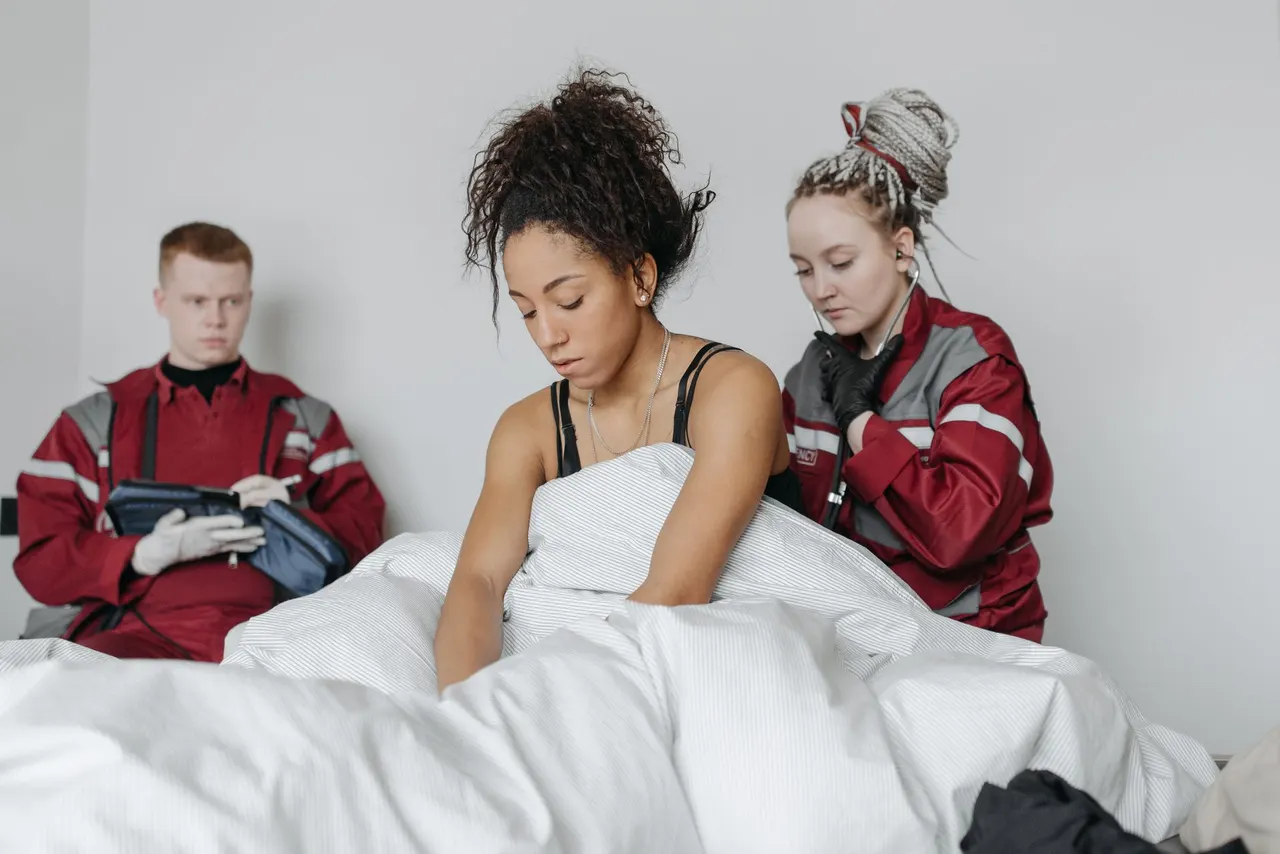
We found bed bugs along the bed frame and were worried they had spread into the living room. The technician checked the bedroom, explained what had to be bagged, and monitored several points during the heat treatment. The work took most of the day, but the instructions were clear. We used the monitors afterward and knew what signs to watch for.
I had bites and found spotting near the mattress seam in my apartment. The team explained the preparation in simple terms and checked the furniture before setting up the heaters. They kept me updated on the temperature readings and told me when it was safe to return. The follow-up guidance helped me handle laundry and keep track of the room.
A tenant reported bed bugs in one unit of our building, and we needed a plan that respected the neighboring apartments. The technician inspected the rooms, explained the access requirements, and focused the heat treatment on the affected space. We received practical monitoring instructions and a clear list of what residents needed to prepare.
A Detroit heat-treatment job commonly ranges from $1,200 to $3,500 for a home, depending on rooms, access, and preparation needs. The number of treatment areas, contents, and property layout affect the total. We provide upfront pricing after learning the size and condition of the space. For typical 2026 pricing in this area, call (313) 879-5917 with your room count and property type.
The best approach is a monitored whole-room treatment with preparation, multiple temperature readings, and clear follow-up instructions. Heat must reach hiding areas, not just warm the center of a room. We inspect the property, position heaters and sensors, and track conditions through the treatment window. For some infestations, a technician may recommend a complementary method rather than heat alone.
Heat treatment can be performed safely when trained technicians manage equipment, clearances, and heat-sensitive items. We identify items that must be removed or protected and monitor temperature throughout the job. Residents and pets leave the treatment area during operation and return only after we confirm it is ready. Special attention is needed for aerosols, medications, plants, and certain electronics.
Most Detroit treatments require about four to eight hours of active heating, plus inspection and setup time. Larger homes, dense furnishings, and difficult room layouts can extend the work window. We give you a realistic schedule after assessing the property and explain when you can re-enter. Preparation should be completed before the crew arrives so equipment time is used effectively.
Not seeing your question? Our local team can help you understand urgency, scheduling and what to expect.
Ask the local team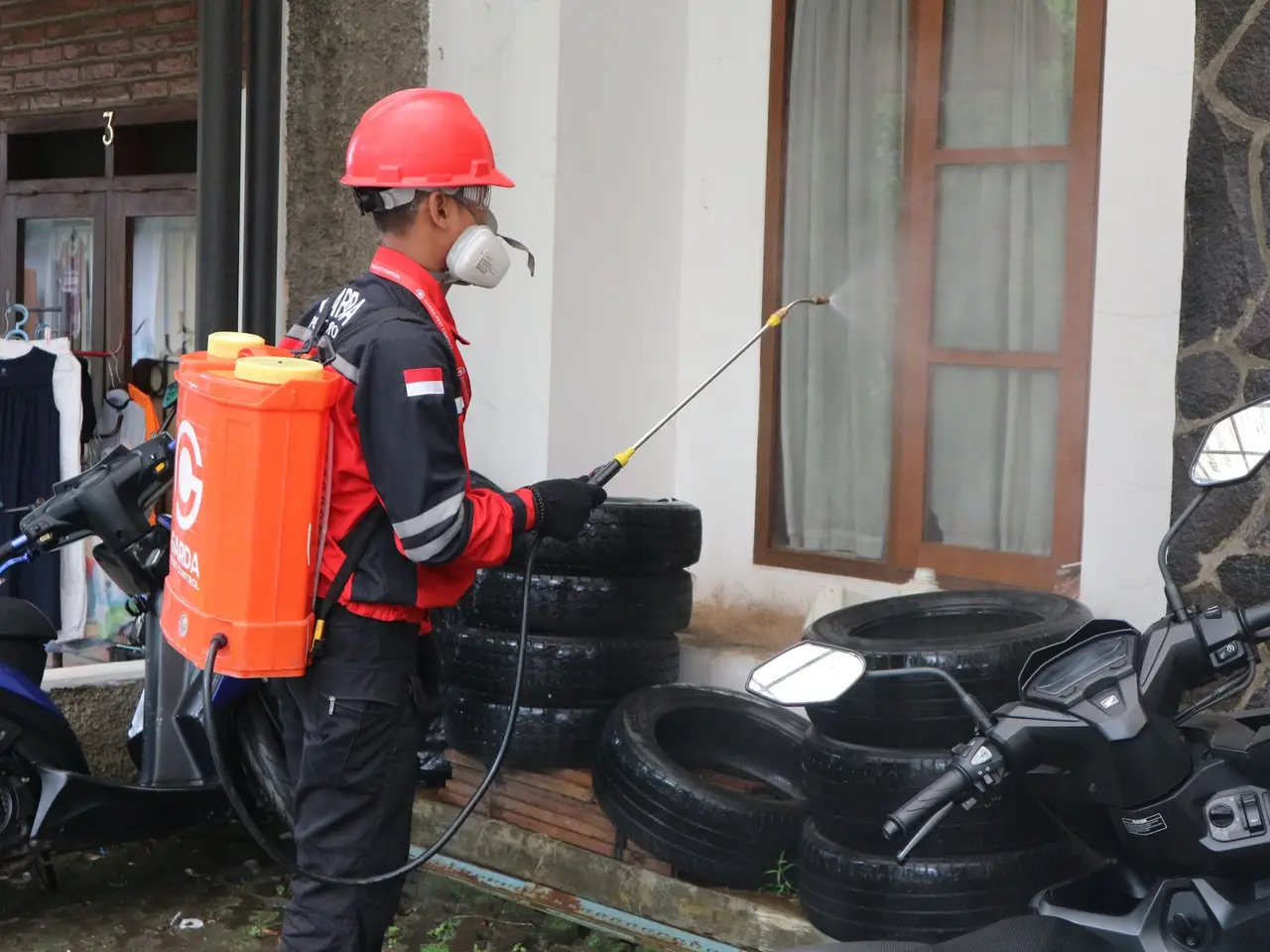
Bed bug heat treatment targets a specific infestation, while general service addresses other active pests around your Detroit property. We inspect for separate issues such as ants or spiders and recommend a distinct plan when needed. Different pests require different products, monitoring, and prevention steps.
View service
Rodent signs can appear alongside a bed bug concern in older Detroit homes, but the treatment methods are not interchangeable. We inspect entry points and activity, then use suitable traps or exclusion measures. Keeping the work separate protects the bed bug treatment area and addresses the actual rodent source.
View service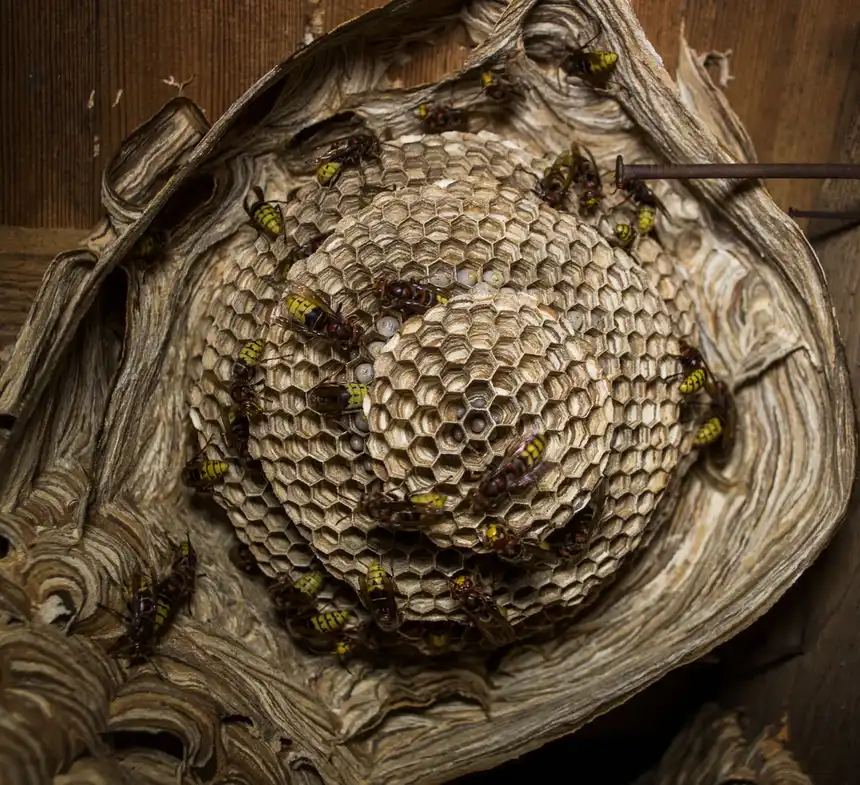
Mice may enter through small openings around foundations, utility lines, or doors. Our mice service focuses on identifying activity and reducing access, while bed bug heat treatment addresses insects inside sleeping areas and furniture. We can assess both problems during a property visit and explain which steps should happen first.
View service
Rat activity requires a targeted inspection, traps, and attention to access points rather than room heating. If your Detroit property has both rat evidence and bed bugs, we plan the jobs around safe access and sanitation. Rodent control does not replace a bed bug treatment, and each issue receives its own checks.
View service
Call Aardvark Motown Pest Control at (313) 879-5917 to discuss insects, rodents, bed bugs, termites, or wildlife at your property. Our regular phone hours are Monday through Friday, 8:00 a.m. to 6:00 p.m.; leave a message outside those hours and include your Detroit neighborhood and the pest activity you noticed. We will respond during business hours.