Focused arrival windows
Useful updates and clear arrival timing.
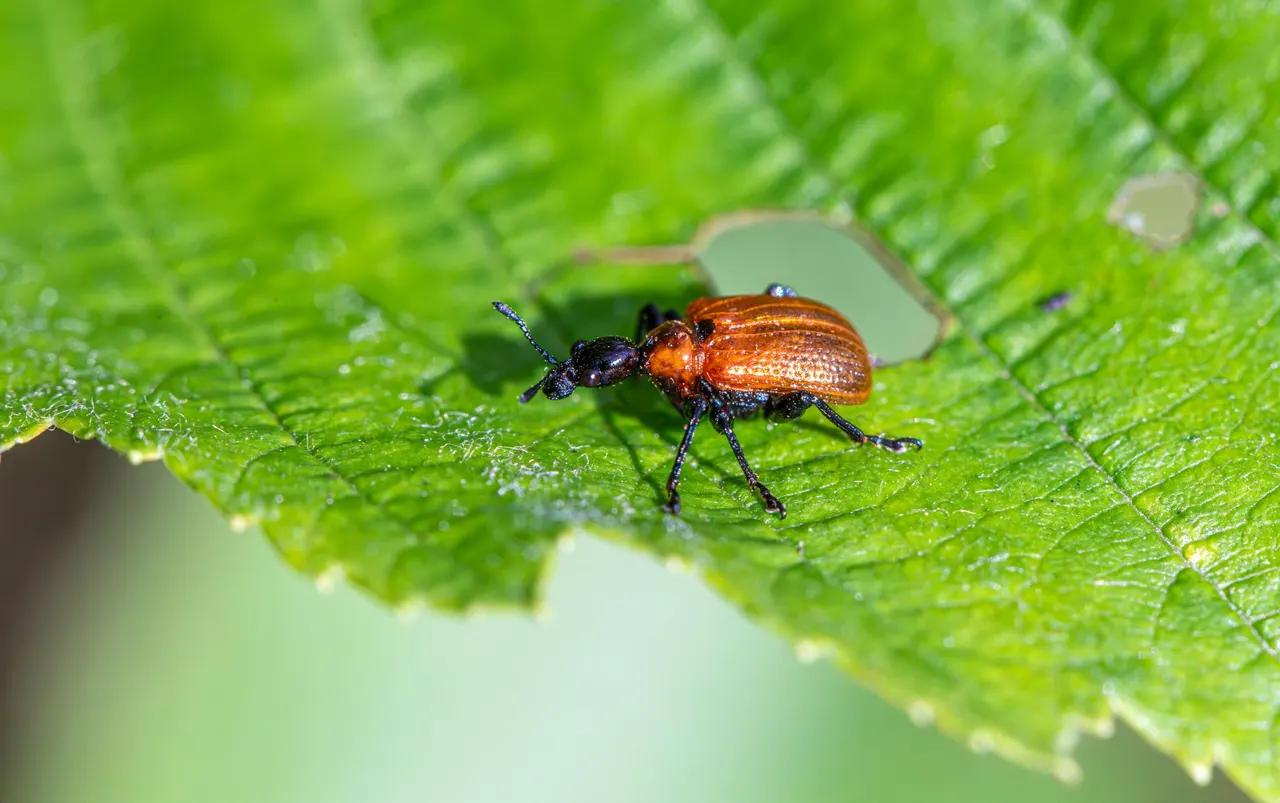
Tick Control Detroit MI helps homeowners, landlords, and property managers reduce tick activity where people and pets spend time outdoors. Our team inspects vegetation, shaded edges, fence lines, and animal routes, then applies a treatment plan suited to the site. Tick control services Detroit MI customers choose should address the places ticks shelter, not just visible lawn surfaces. As fall gives way to winter, we can also identify conditions that support spring activity.
Useful updates and clear arrival timing.
Review the approach and price before deciding.
Equipped vehicles and respectful cleanup.
Neighbors serving neighbors with follow-through.
A standard visit includes a conversation about reported activity, an outdoor inspection, identification of likely tick harborage, and treatment of suitable zones when appropriate. We explain product-label re-entry directions and practical habitat adjustments. Extensive brush clearing, major landscaping, or treatment of separate properties requires additional work beyond the core visit.
We ask where ticks were found, how often they appear, and whether pets or people use nearby spaces. These details help direct the inspection toward the relevant yard edges, paths, or shaded features rather than treating without a clear target.
The technician checks leaf litter, ornamental beds, dense groundcover, fence lines, woodpiles, and lawn transitions. We note shade and moisture as well as reported animal routes, then identify the areas most suitable for focused treatment.
When treatment is appropriate, we apply a suitable product to selected outdoor vegetation or harborage zones according to its label. Application is limited to planned areas, and we explain the product-specific drying and re-entry directions before you use the yard.
We point out maintenance steps that can reduce favorable habitat, such as removing leaf piles, trimming dense groundcover, and keeping frequently used paths clear. Your technician distinguishes useful changes from unnecessary yard work so you can prioritize the highest-risk areas.
Share what is happening and receive a clear next step from the local team.
Tick Control Detroit MI is a pest management service that reduces tick activity in outdoor areas where ticks shelter and people or pets may encounter them. We inspect lawn margins, leaf litter, ornamental beds, woodpiles, fence lines, and shaded spaces before selecting a treatment. Depending on the site, our work can include focused application of insecticides to suitable vegetation and harborage zones, plus practical habitat recommendations. The goal is to target likely tick locations while keeping treatment away from areas that do not need it.
Detroit properties often have mature trees, narrow side yards, adjoining lots, and leaf accumulation that create cool, humid cover. A dog moving between a yard and an overgrown fence line can bring ticks close to patios and doors. Tick extermination Detroit service starts with identifying these exposure points, then matching the approach to the property and season. If you are researching how to get rid of ticks in Detroit MI, a site inspection is the useful first step.

We begin with a short conversation about where you or your pets encountered ticks, when the activity occurred, and what parts of the yard get regular use. You can point out play spaces, garden beds, and entrances. This usually takes 10 to 15 minutes and helps us focus the inspection on actual exposure routes.
Our technician walks the accessible perimeter and checks shaded vegetation, leaf litter, groundcover, fence edges, and animal pathways. We note moisture, sunlight, and how the lawn meets wooded or unmanaged areas. The inspection commonly takes 15 to 30 minutes, depending on lot size and landscaping.
We identify suitable treatment areas and explain the proposed approach before application. The plan may focus on vegetation and sheltered margins rather than open, frequently used lawn. We also flag conditions such as dense brush or accumulated leaves that can undermine results unless they are addressed.
The technician uses appropriate application equipment, including insecticide sprayers when the selected product and site call for them. Application time often runs 20 to 40 minutes for a typical yard. We follow product-label directions and avoid treating areas outside the intended plan.
Before leaving, we tell you which zones were treated and explain the product-specific drying or re-entry instructions. You will also receive practical notes on mowing, leaf removal, and monitoring. If activity continues, contact us with the location and date so we can assess whether a follow-up visit is appropriate.

We use calibrated sprayers to apply the selected product to appropriate vegetation and sheltered outdoor zones. The application follows the label and the site plan, avoiding unrelated surfaces.
Vacuum units can help remove visible insects or debris from limited, accessible areas during certain inspections. They are not a substitute for identifying outdoor tick habitat or selecting a suitable yard treatment.
Repellents may be discussed as a personal protection measure where relevant, separate from yard treatment. We explain that product directions and the intended use determine how a repellent should be applied.
A hands-on inspection identifies damp leaf litter, dense groundcover, and shaded transitions where ticks may shelter. We use those observations to choose practical treatment zones and maintenance priorities.
We work from the reported encounter outward, checking likely resting and travel areas rather than beginning with an indiscriminate application. The technician records shade, moisture, groundcover, leaf accumulation, and animal paths, then explains which findings affect the treatment plan.
When warranted, we apply an appropriate product to suitable outdoor vegetation and perimeter zones in accordance with the label. Treatment placement, application rate, and re-entry directions follow the specific product requirements and the conditions found on your property.
We identify maintenance actions that reduce sheltered cover, including clearing leaf litter and trimming dense groundcover near frequently used areas. You receive priorities based on the inspection, so the work targets conditions connected to your reported tick activity.

We inspect the pet's usual route, nearby fence lines, and vegetation where the dog pauses. If the site is suitable, we treat targeted outdoor zones and explain the label's re-entry directions. We also identify simple changes, such as clearing leaves from the route. You get a defined treatment area and a clearer plan for checking the dog and monitoring that part of the yard.
Our technician reviews the shaded landscape, groundcover, and play-area boundaries, then distinguishes likely harborage from frequently used open space. We treat appropriate areas and explain which leaf or vegetation maintenance will support the result. The family knows which yard edges need attention and when the treated areas can be used again.
We inspect the courtyard, surrounding beds, and routes to the building entrances. The plan specifies suitable treatment zones and clear instructions management can pass to residents. We document the conditions that should be corrected by routine landscaping. Residents receive consistent instructions, and the property team has a practical list of locations to maintain.
We inspect before the next outdoor-use period, note debris and sheltered vegetation, and treat only suitable areas. Your technician explains how leaf removal and trimming can reduce cover before spring growth and what to watch for after service. You enter spring with identified exposure points, clear yard tasks, and a treatment plan matched to the property.
Tick control services Detroit MI homeowners request are shaped by a mix of older homes, mature trees, compact lots, and shared green spaces. In November, fallen leaves can collect along fences and foundations, so we inspect those sheltered edges while planning for spring growth. Detroit's freeze-thaw winter does not remove the need to assess habitat; activity changes with temperature, moisture, and vegetation. We check the site rather than promising a calendar-based result. Tick extermination Detroit properties need also depends on how pets and people move through the yard. A narrow side path beside a shaded planting bed may matter more than an open lawn. Our technician identifies those routes, selects suitable treatment zones, and gives product-specific re-entry instructions. For larger or shared properties, we clarify which beds, walkways, and gathering areas are included in the visit. We serve Wayne County and neighborhoods across Detroit, including homes in ZIP codes 48208 and 48202. Tell us where ticks were found so we can focus the inspection on the relevant conditions.
Mature trees and shaded landscaping can create leaf-covered edges. We inspect the transitions between lawn, planting beds, and paths used by pets or residents.
Compact yards and shared outdoor spaces can make a single planted border a frequent contact point. We focus on the reported location and nearby access routes.
Water-adjacent conditions and established vegetation can leave some yard edges damp or sheltered. Inspection notes help distinguish those areas from open, frequently used ground.
Residential lots with fences, gardens, and mature shade benefit from checking the perimeter and pet paths. We identify where leaf buildup or groundcover needs attention.
Leaf layers can obscure the ground and hold moisture, making it harder to monitor yard edges. We inspect these areas and recommend clearing debris where it connects to reported activity.
Shaded planting beds may remain more favorable for tick shelter than exposed lawn. Treatment planning considers those edges, the property's use, and the vegetation present.
Ticks or wildlife may move through adjoining outdoor spaces, so one treated yard cannot control conditions beyond its boundaries. We focus on your property and identify relevant routes and maintenance steps.
A homeowner in Corktown reported finding ticks after each weekend in the backyard. Leaf litter had built up along a 30-foot fence, with dense groundcover beneath shrubs. The family used the open lawn but avoided the perimeter because they were unsure where the activity started.
The inspection identified the shaded fence edge as the main treatment zone. The technician treated suitable vegetation and explained product-specific re-entry directions. The owner cleared the leaf layer and trimmed the groundcover over the next week, leaving a more visible border for routine checks.
Maintenance: Keep leaves from accumulating along the fence and trim dense cover as it grows. Check pets after outdoor use and report any repeated activity by location so the technician can assess whether conditions have changed.
A Midtown apartment manager received reports of ticks near a courtyard bench and planting bed. Residents were uncertain whether the entire lawn was affected, and the landscaping crew had not been told which areas needed attention.
The technician inspected the bench area, bed edges, and entrance paths, then defined the suitable treatment zone. Management received re-entry instructions to share with residents and a short maintenance plan for leaf removal. The 3,000-square-foot courtyard now had specific areas to monitor.
Maintenance: Ask landscaping staff to clear debris from the identified bed and keep the nearby path visible. Management can log future reports with the date and exact location, making any follow-up inspection more precise.
In East English Village, a dog brought ticks inside after running between a patio and a shaded side yard. The owners had treated the open grass themselves but had not checked the narrow route beside the shed.
The inspection traced the dog's route and found leaf litter and low vegetation beside the shed. The technician treated suitable sections and reviewed re-entry instructions. The owners cleared the route and began checking the dog after each yard visit, reducing uncertainty about where exposure was occurring.
Maintenance: Keep the side path free of leaf piles and maintain a clear boundary beside the shed. Continue checking the dog after outdoor activity and note whether any tick is found on the patio, route, or elsewhere.
Repeated tick encounters usually point to a specific outdoor condition: sheltered vegetation, leaf buildup, or a route used by pets and wildlife. We inspect the pattern, treat appropriate zones, and explain what you can change. The aim is to reduce exposure while making the yard easier to monitor.
The fence edge can become a recurring contact point for children and pets, especially when leaves and groundcover provide sheltered habitat. We inspect the fence line, nearby vegetation, and any animal routes before choosing a treatment zone. The technician explains whether leaf removal or trimming is needed and applies product only where appropriate. We also show you how to monitor the same edge after service so any continuing activity is easier to report.
Ticks can be carried toward doors, bedding, and family gathering areas, increasing the chance of another encounter even when the home itself is not the source. We ask where the dog spends time and inspect those routes, especially shaded borders and dense planting. Tick treatment addresses appropriate outdoor harborage, while we recommend checking the pet after yard use and keeping paths clear. If activity continues, the location and timing help guide a follow-up assessment.
Accumulated debris and protected vegetation can make yard edges difficult to inspect, leaving exposure points unnoticed through damp fall weather and spring growth. Our technician maps the affected areas and treats suitable zones according to the label. We identify which debris or vegetation changes would make the biggest difference and prioritize those tasks. You receive a practical maintenance sequence rather than a broad list of yard projects.
Unclear reports can lead to concern across the property, while a single untreated planting bed may remain the actual recurring source of contact. We inspect the reported location and surrounding shared grounds, including shaded seating areas and walkway borders. The treatment plan identifies the specific zones and gives management clear re-entry directions to communicate. We also note maintenance actions for landscaping staff to reduce leaf accumulation and dense cover.
$150-$450 for many residential visits; larger or more complex properties require pricing based on inspection.
Residential tick treatment commonly ranges from $150 to $450, depending on yard size, vegetation, access, and the number of suitable treatment zones. These are typical 2026 prices for Detroit-area work, not a flat quote for every property. Tick extermination Detroit pricing can increase when a large lot has multiple shaded borders, dense groundcover, or extensive reported activity. A maintained, compact yard with one defined area is usually less involved. We inspect the property and give upfront pricing before work begins.
You pay for an inspection and treatment plan directed at actual exposure areas, not an assumed whole-yard application. Clear re-entry guidance and maintenance priorities help you use the treatment appropriately and monitor the property afterward.
A larger lot takes more inspection and application time, especially when several separate lawn borders or shared areas need review. Narrow access, multiple buildings, and complex planting beds can also add labor because each zone must be assessed individually.
Dense groundcover, overgrown shrubs, and heavy leaf buildup create more potential harborage and may require additional inspection. Clearing debris is usually a property-maintenance task, but its condition affects how much treatment planning the visit requires.
A single fence edge is less involved than several shaded beds, pet routes, and shared outdoor spaces. The technician identifies which areas are appropriate for treatment, and pricing reflects the actual planned coverage rather than the total lawn area alone.
A single recent encounter calls for a focused inspection, while repeated reports across multiple parts of a property require more investigation. Clear details about where and when ticks were found help us plan an efficient visit.
Locked gates, separated yards, or shared grounds that require access coordination can add time to the inspection. Having treatment areas accessible helps the technician complete the planned work efficiently and review the results with you.
Aardvark Motown Pest Control has served customers since 1980, bringing 46 years of pest-management experience to Detroit properties. Tick work requires careful site assessment because shade, moisture, vegetation, and animal movement all affect where treatment belongs. Our technicians use label-directed methods, explain the reason for each treatment zone, and follow applicable pesticide requirements. We do not treat a tick problem as a generic lawn application; the inspection and site conditions guide the work. You get a clear account of what we found and what to do next.
We found ticks near the back fence after our dog spent time in the yard. The technician inspected the shaded edge and the leaf buildup beside the shed, then explained exactly which areas were treated. We followed the re-entry directions and cleared the leaves the following weekend. The visit took about an hour, and the instructions were easy to follow.
Ticks kept showing up along the side yard where the grass meets thick groundcover. The technician walked the whole perimeter with us and pointed out two spots we had missed. The treatment was focused rather than spread across the patio and play area. We also got clear advice about checking our dog after walks and trimming the border.
Residents reported ticks near a shaded common lawn, so we arranged an inspection before treating the shared grounds. The technician identified leaf litter and overgrown planting beds as the main areas to address. We received simple instructions to share with residents and a practical maintenance plan for the grounds crew. The service was organized and specific to the property.
A residential tick treatment commonly costs about $150 to $450, depending on yard size, vegetation, and treatment scope. Typical 2026 pricing in this area varies with the number of treatment zones and whether dense brush or multiple connected areas need attention. We inspect first and give you the price before work begins. A compact, maintained yard usually costs less than a large property with wooded edges and heavy leaf litter.
The best approach is a site inspection followed by label-directed treatment of suitable tick harborage, not a blanket spray of every yard surface. We assess shade, leaf litter, fence lines, and animal routes, then select treatment zones for your property. Clearing debris and trimming dense vegetation support the result. A tick exterminator Detroit Michigan homeowners call should explain the target areas and product-specific re-entry instructions.
Start by locating the activity, then reduce leaf litter and dense cover while a technician inspects likely harborage areas. We treat appropriate shaded borders and vegetation according to the product label, and explain when the area can be used again. Keep pets on established paths during the process and check them after outdoor activity. If you find ticks repeatedly, note the location and date so the inspection can focus on a pattern.
A typical residential inspection and treatment takes about 45 to 90 minutes, while larger or heavily landscaped lots can take longer. The visit includes a 15-to-30-minute site inspection, treatment planning, application, and a review of re-entry directions. Tick extermination in Detroit Michigan is not complete merely because product has been applied; you also need to follow the label and address habitat conditions that sustain activity.
Not seeing your question? Our local team can help you understand urgency, scheduling and what to expect.
Ask the local team
Tick concerns can occur alongside other pest activity around a home. Our general service addresses indoor and outdoor pest issues through inspection and targeted methods, helping you separate tick exposure from problems such as ants or spiders. We tailor each visit to the pest and the affected area.
View service
Rodents can create sanitation and structural concerns around garages, basements, and sheds. We inspect entry points and signs of activity, then plan control and exclusion steps. If ticks are also present outdoors, treating both concerns requires separate inspections and methods suited to each pest.
View service
Mice often enter Detroit homes through small gaps around foundations, utility lines, and doors. We locate signs and access points before choosing control measures. This indoor service differs from tick work, which focuses on outdoor vegetation and sheltered yard edges.
View serviceRat activity near refuse areas, alleys, or outbuildings needs a focused inspection and entry-point plan. Our technicians identify evidence and recommend appropriate control steps. Tick treatment remains a separate outdoor service, but both inspections can help clarify which parts of your property need attention.
View service
Call Aardvark Motown Pest Control at (313) 879-5917 to discuss insects, rodents, bed bugs, termites, or wildlife at your property. Our regular phone hours are Monday through Friday, 8:00 a.m. to 6:00 p.m.; leave a message outside those hours and include your Detroit neighborhood and the pest activity you noticed. We will respond during business hours.