Focused arrival windows
Useful updates and clear arrival timing.

Residential Pest Control in Detroit helps homeowners stop active pest problems and reduce the routes pests use to return. We inspect kitchens, basements, attics, foundations, and utility penetrations, then match treatment to the pest and the building. Our home pest control Detroit service is for homeowners dealing with ants, rodents, cockroaches, or other household pests who want a clear plan, careful application, and practical prevention steps.
Useful updates and clear arrival timing.
Review the approach and price before deciding.
Equipped vehicles and respectful cleanup.
Neighbors serving neighbors with follow-through.
Residential Pest Control in Detroit covers inspection, pest identification, targeted treatment, and prevention guidance for household pests. The exact method depends on evidence, product labels, and home conditions. We explain what the visit addresses before work begins. Specialized services such as bed bug heat treatment, termite treatment, or wildlife removal require a separate plan because their equipment, preparation, and treatment needs differ.
We inspect the rooms and exterior areas connected to reported activity, including kitchens, basements, utility penetrations, foundation edges, and storage spaces. Findings such as droppings, trails, webs, or damaged packaging help identify the pest and focus treatment where it is needed.
We distinguish the pest before choosing products or devices. The plan identifies likely activity zones, treatment locations, household preparation, and what signs to monitor. Accurate identification matters because ants, termites, and other insects need different methods and follow-up expectations.
Treatment may use bait stations, traps, dusts, or labeled insecticides selected for the pest and location. We place products according to label directions, explain precautions, and avoid unnecessary treatment of open areas. Placement is based on observed activity and access, not guesswork.
We point out practical changes that reduce food, water, and access, such as sealing a utility gap, correcting a drip, or storing dry goods in closed containers. Recommendations are tied to what we see in your home, so you know which repair or habit is most relevant.
We explain how to check traps or monitors and when to report continued activity. Depending on the pest, review may be useful after 7 to 14 days or at a later interval. You receive clear next steps for tracking results and deciding whether follow-up treatment is needed.
Share what is happening and receive a clear next step from the local team.
Residential Pest Control in Detroit is a home-focused pest management service that identifies, treats, and helps prevent insects and rodents inside and around a residence. We start by checking evidence such as droppings, rub marks, shed skins, damaged food packaging, and insect activity. Then we locate likely entry points and nesting areas before choosing targeted baits, traps, dusts, or labeled insecticides. The goal is to address the active infestation while reducing the conditions that support it, rather than treating every room without a reason.
Detroit's older housing, shared walls, aging foundations, and cold-season temperature swings create familiar routes for mice, ants, and cockroaches. A leaking pipe or unsealed gap around a service line can turn a small sighting into a recurring problem. Our residential pest control services Detroit MI approach accounts for the home's layout and the pest's habits. If you are searching for home pest control in Detroit Michigan, we inspect the source, explain treatment steps, and give you specific guidance for food storage, moisture, and access points.

Before we inspect, we ask what you have seen, where it appeared, and how often it happens. You can point out droppings, bites, damaged packages, or sounds in a wall. This conversation takes about 10 minutes and helps us distinguish a one-time insect from a pattern that needs a broader inspection.
We check relevant interior and exterior areas, including kitchens, bathrooms, basements, utility penetrations, and foundation edges. A typical focused inspection takes 20 to 40 minutes. We use visual evidence, monitors, and tools suited to the suspected pest, then explain the likely source in plain language.
We select a method based on the pest, location, and household conditions. That may involve bait stations, snap traps, glue boards, or a labeled product applied to a specific crack or void. Before application, we explain preparation such as clearing a cabinet shelf or moving pet bowls, so you know exactly what to do.
Our technician applies or places treatment where inspection found activity, following product-label directions and household safety requirements. A standard service visit often takes 60 to 120 minutes overall. We avoid unnecessary application in open living areas and note any spots that need a repair or moisture correction to support lasting results.
Before leaving, we review what we found, what was treated, and how to track changes. You receive practical instructions for monitoring activity over the next 7 to 14 days, plus a follow-up recommendation if the pest's life cycle or infestation level calls for another visit. Keep the notes handy and report new evidence promptly.
We place secured bait stations in suitable locations where rodent or insect activity is confirmed. They keep bait contained and make inspection more consistent, while placement follows product directions and household safety needs.
Snap traps help address rodent activity along established travel routes. We position them where evidence points to movement and explain how to avoid disturbing the setup before the next check.
Glue boards can monitor crawling insects or help reveal movement in selected locations. They are inspection tools as well as capture devices; placement and frequent checks help us understand whether activity is ongoing.
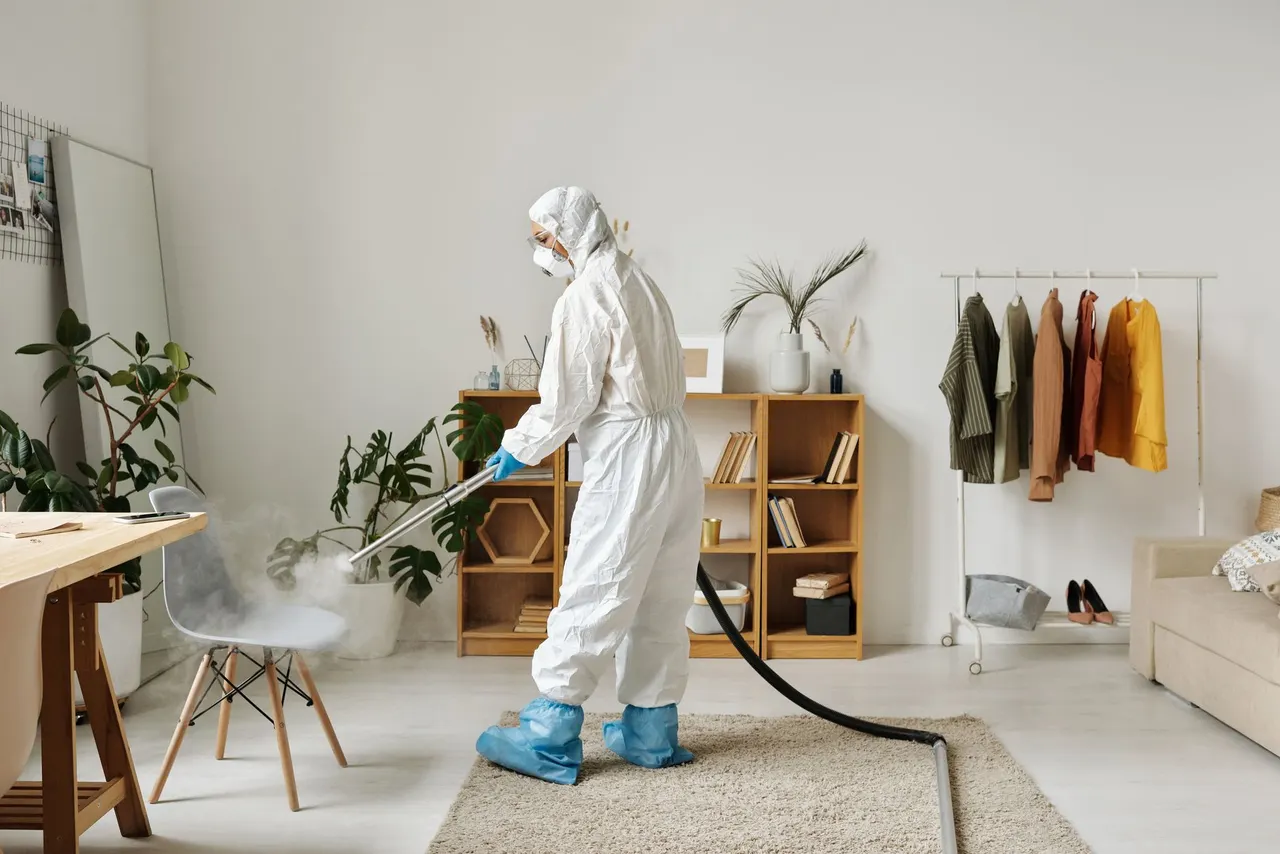
We use sprayers for appropriate labeled applications to specific surfaces or sites. The product, target area, and household precautions determine how it is applied, and we explain any required drying or re-entry instructions.
Vacuum units remove accessible insects, webs, or debris during certain treatments and inspections. Removing visible material can improve monitoring and help us see whether activity returns in a particular crack, seam, or room edge.
We combine inspection, identification, targeted treatment, sanitation guidance, and exclusion recommendations. This approach considers the pest's food, water, shelter, and entry route. It avoids treating areas without evidence and gives you practical steps to reduce the conditions that sustain activity.
Baits are placed near confirmed routes or harborages and kept away from competing food where practical. For ants or cockroaches, placement follows observed behavior and product directions. We tell you when not to clean or disturb a placement so it can work as intended.
We identify gaps around pipes, doors, vents, and foundation joints, then recommend suitable sealants or exclusion screens. Exclusion complements treatment by limiting access. For rodents, even an opening around 1/4 inch can matter, so small gaps receive careful attention.
We use traps or monitors to track changes after treatment and focus follow-up on locations with fresh evidence. You receive a check interval, often 7 to 14 days for an active household issue. New findings help distinguish a declining infestation from a route that remains open.

We check the storage area, foundation edge, and nearby utility penetrations for fresh activity and access. Traps or bait stations are placed only where the inspection supports them. We show you how to move boxes away from the wall and keep stored items in closed containers. You get a clear picture of whether the signs are active, where treatment is focused, and what to monitor over the next 7 to 14 days.
We identify the ant, inspect its trail, and locate likely entry points before applying bait or targeted treatment. Our technician checks for moisture and small gaps around trim and pipes, then gives you specific cleanup and sealing steps that fit the route. The treatment addresses the trail's source, and you know which openings and food-storage habits to correct to reduce repeat activity.
We inspect the affected rooms, furniture edges, and storage areas to identify the pest before treating. If evidence suggests bed bugs, we explain the specialized inspection and preparation required instead of treating it as routine insect activity. You receive a room-by-room plan. You can prioritize affected belongings, avoid spreading pests to other rooms, and follow a treatment plan suited to the identified insect.
We inspect appliance voids, cabinet joints, plumbing access, and other warm, damp hiding areas. Targeted treatment addresses the active locations, while we explain why fixing the leak and reducing food residue supports the work. We also set a practical monitoring window. You know where the infestation is concentrated, what household changes matter, and when to check for renewed signs.
Residential Pest Control in Detroit reflects the city's housing stock and seasonal shifts. As November brings colder nights, rodents seek warmer shelter through basement gaps, garage doors, and utility openings; spring then brings renewed ant and insect activity. Brick homes, older wood framing, shared walls, and finished basements all change where we inspect and how we place treatment. Our residential pest management Detroit Michigan work starts with the specific structure, not a standard room-by-room script. We check foundation edges, cellar windows, pipe penetrations, attic access, and moisture-prone spaces when they relate to your report. In Wayne County, a roof leak, clogged drain, or stored food can support a problem as much as an exterior opening. We explain whether the next step is targeted treatment, a repair, or monitoring. For homeowners searching home pest control Detroit, we also provide practical preparation instructions and identify signs to watch over the following 7 to 14 days. Our service area includes Detroit, Michigan, and nearby communities; call with your neighborhood and the pest evidence you have noticed.
Older brick homes and renovated basements can have utility penetrations and foundation joints worth checking when mice or ants appear indoors.
Detached garages, basement access, and mature yards create several possible routes for rodents and seasonal insects; we inspect the route connected to your report.
A mix of apartments and older residences means shared walls and plumbing lines can affect how insects move between rooms or units.
Large homes with attics, porches, and landscaping benefit from checking roofline access, storage areas, and exterior openings when activity is reported.
As outdoor temperatures fall, mice and rats seek shelter near heat, food, and water. We inspect door bottoms, foundation gaps, and utility lines, then pair targeted control with practical exclusion recommendations.
Patchwork around pipes, vents, and basement windows can create openings that are difficult to spot from inside. We check both sides when accessible and identify the specific gap that needs sealing.
Water collecting near a foundation or a leak under a sink can support insect activity. We locate the moisture connection and explain which repair or drainage change should accompany treatment.
A homeowner in Southwest Detroit found droppings behind pantry boxes and heard scratching near a basement wall. Stored food was open, and the likely route around a pipe had not been noticed. Two rooms showed signs, but the exact travel path was unclear.
We inspected the pantry and basement, identified a route near the pipe opening, and set traps at three evidence-based points. The homeowner reported no fresh droppings after 10 days and moved dry goods into sealed containers. We recommended closing the opening with suitable material.
Maintenance: Keep food sealed, leave a narrow inspection gap along basement walls, and check traps weekly until activity stops. Report new droppings or noises so we can reassess the route rather than adding treatment without evidence.
Ants crossed a Corktown kitchen counter each morning and appeared to enter beside a window. The homeowner had cleaned the trail repeatedly, but activity returned within 24 hours. A small gap and moisture near the sill supported the recurring route.
We identified the ant trail, placed bait near its route, and showed the homeowner where to seal the trim after activity declined. By day 7, the visible trail had stopped. The homeowner also corrected the moisture source and stored open sweet foods in closed containers.
Maintenance: Avoid washing directly over bait placements until instructed, and keep the counter free of food residue. Check the window edge after rain and report a renewed trail, especially if it appears in a different room.
A Detroit homeowner saw cockroaches near a basement sink and behind a refrigerator upstairs. Sightings occurred after dark, and a slow plumbing leak left the cabinet area damp. The route between activity points had not been inspected.
We checked the sink cabinet, appliance edges, and nearby plumbing voids, then placed targeted treatment in appropriate locations. The homeowner repaired the leak and followed the monitoring instructions. No new sightings were reported during the next 14 days, and monitors showed reduced activity.
Maintenance: Keep the sink cabinet dry, remove food waste nightly, and inspect monitors on the agreed schedule. If fresh droppings or insects appear, record the location and time so follow-up can focus on the active area.
If you are looking for professional residential pest control Detroit, start with the evidence and the route pests use to enter. We address household problems by locating activity, selecting treatment for the pest, and identifying changes that reduce food, moisture, or shelter. Early action can keep a small issue from reaching more rooms.
Food packaging can be contaminated, droppings accumulate behind appliances, and a hidden entry gap lets activity continue even after visible mice are trapped. We inspect pantry edges, basement routes, and openings around pipes or doors, then place traps or bait stations where evidence supports them. We explain how to protect food and close access points. If activity continues, trap checks and fresh signs help us refine the next treatment step.
A recurring cockroach infestation can spread through cabinet voids and shared plumbing routes, while available water and food make the home attractive to the insects. We inspect under sinks, behind appliances, and along plumbing penetrations for droppings and harborages. Targeted baits or labeled products go in suitable locations, and we show you how to correct moisture and store food. Monitoring tells us whether activity is declining or needs another visit.
A visible trail often signals a nearby entry route or nest connection; wiping it away without addressing the source can leave the same route active. We identify the ant and follow activity toward likely entry points, then select bait or another suitable treatment. We point out gaps near trim, windows, and pipes and explain when to clean the trail. This connects treatment with repairs that reduce future access.
Rodent activity can damage stored items, insulation, and wiring, while droppings and nesting material create sanitation concerns in concealed areas. We inspect likely routes and accessible voids, look for droppings and rub marks, and place traps or other treatment based on the evidence. We also identify openings that need repair and explain a monitoring period. A focused plan helps distinguish current activity from old signs.
$150-$450 for many focused visits; $450-$1,200 or more for extensive or specialized treatment
Residential pest control services Detroit MI pricing depends on the pest, home size, infestation level, access, and treatment method. For typical 2026 pricing, a focused visit often falls between $150 and $450; extensive or specialized work can range from $450 to $1,200 or more. We explain upfront pricing before work begins. A routine ant or mouse treatment costs less than a multi-room bed bug plan, which may require preparation, specialized equipment, and repeat visits.
The price reflects inspection time, pest-specific materials, safe placement, and the follow-up needed for the problem. A targeted plan can prevent wasted applications and show you which repairs or habits reduce repeat activity.
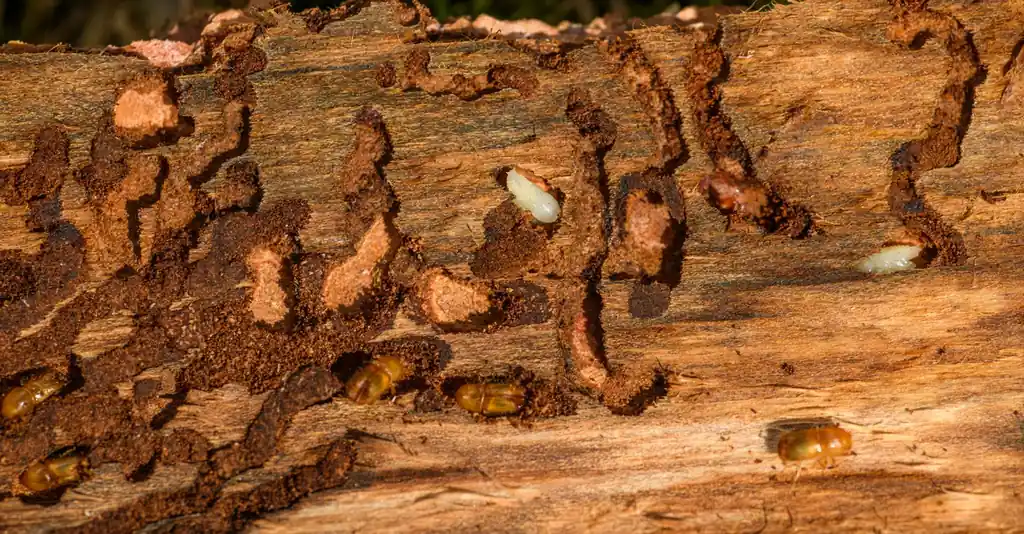
Ants, mice, cockroaches, and bed bugs require different products and follow-up intervals. A localized ant trail may need a focused visit, while a bed bug infestation often needs extensive inspection and room preparation. The pest's life cycle affects how many treatment steps are appropriate.
Larger homes, finished basements, attics, and multiple affected rooms require more inspection and treatment time. Shared walls or limited access can also change how we trace activity. A 900-square-foot apartment and a multi-level house should not be priced as identical jobs.
Fresh signs in one area usually take less work than widespread activity with established nesting or repeated sightings. We consider the number of affected rooms, visible evidence, and how long the problem has persisted. Earlier inspection can limit the need for broader treatment.
Cluttered storage areas, packed cabinets, or blocked foundation edges can add inspection time and require preparation before treatment. Clearing a 2-foot working area along an affected wall can make it easier to inspect and place devices accurately. We tell you which preparation matters.
Some pests need a second visit to check monitors, address newly emerged insects, or confirm activity has stopped. Follow-up frequency depends on the pest and treatment method. We explain the expected schedule so you understand what the quoted work covers.
Aardvark Motown Pest Control has served customers for 46 years, since 1980. Our residential work starts with accurate identification and a plan built for the structure, whether you live in a brick two-flat, a single-family home, or a multi-unit building. We use integrated pest management: inspection, sanitation guidance, targeted treatment, and exclusion recommendations. For regulated pesticide work, a Michigan Department of Agriculture and Rural Development (MDARD) Pesticide Applicator License is the relevant state credential; our technician explains the treatment and label precautions before applying products.
We kept finding ants beside the kitchen sink, especially after rain. The technician checked the pipe opening and the outside foundation instead of just spraying the counter. He placed bait where the trail started and showed us a small gap that needed sealing. Activity dropped over the next week, and the instructions were easy to follow.
I heard scratching near the basement ceiling and found droppings by stored boxes. The technician inspected the utility lines and wall edges, set traps in specific locations, and explained what signs to check over the next 10 days. We also cleared items away from the wall so the area was easier to monitor.
Cockroaches were appearing near the refrigerator and bathroom plumbing. The inspection found activity behind the appliance and a slow leak under the sink. The technician treated the affected areas and gave us a short list of cleaning and moisture steps. We saw fewer insects after the first visit and knew exactly when to call back.
A focused residential visit often costs $150 to $450, while extensive or specialized treatments can range from $450 to $1,200 or more. Typical 2026 pricing in Detroit depends on pest type, home size, infestation severity, access, and whether follow-up visits are needed. We discuss the price before work begins. A small ant treatment differs from bed bug treatment, which may require preparation and more than one visit.
The best fit is a service that identifies the pest, inspects its source, and uses a treatment matched to your home. Ask how the technician will inspect, what products or devices they plan to use, and what follow-up is appropriate. Our residential exterminator Detroit Michigan service focuses on evidence, targeted application, and entry-point guidance. A clear explanation matters more than a broad promise to eliminate every pest in one visit.
Choose a company that explains its inspection, treatment method, safety steps, and follow-up plan before work starts. Verify that regulated pesticide work is handled by appropriately licensed applicators in Michigan, and ask how the technician will address entry points. We describe what we find and what we treat, then give you specific preparation and monitoring instructions. Compare service details and pricing, not just a short-term promise.
A standard home visit usually takes 60 to 120 minutes; larger or complex infestations can take several hours. Inspection commonly uses 20 to 40 minutes, with the remaining time spent on targeted treatment and guidance. Bed bugs, termites, and extensive rodent activity may need additional visits. We explain the expected schedule for your pest and home before treatment begins, including any preparation that affects the appointment.
Not seeing your question? Our local team can help you understand urgency, scheduling and what to expect.
Ask the local team
Our General Pest Control service addresses several common household insects through inspection and targeted treatment. For Detroit homeowners seeing more than one pest, we identify which activity shares a source and which needs a separate method. Your plan can include entry-point guidance and practical monitoring steps.
View serviceRodent Control focuses on mice and rats, their travel routes, and the openings they use to enter. We inspect basements, garages, attics, and food storage areas, then place appropriate traps or bait stations. Detroit homeowners also receive guidance on closing gaps and reducing accessible food.
View service
Mice Extermination targets active mice in kitchens, basements, wall edges, and storage areas. We look for droppings, rub marks, and openings before placing traps or other appropriate treatment. A mouse can enter through a gap around 1/4 inch wide, so prevention includes checking small utility penetrations.
View serviceRat Removal addresses larger rodent activity around basements, garages, exterior foundations, and waste storage. We identify travel paths and access points, then select a controlled removal method. After the immediate problem is addressed, we explain how to secure refuse and reduce gaps that could invite another rat.
View service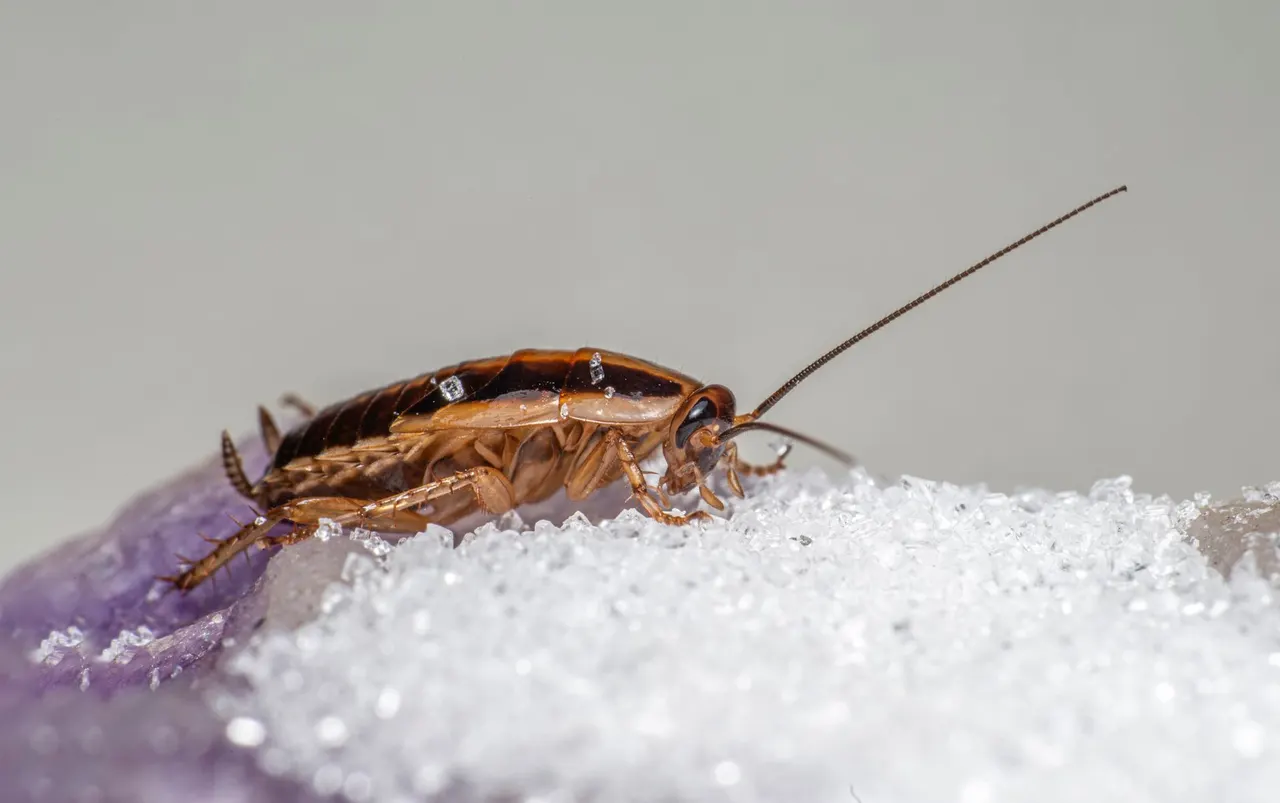
Call Aardvark Motown Pest Control at (313) 879-5917 to discuss insects, rodents, bed bugs, termites, or wildlife at your property. Our regular phone hours are Monday through Friday, 8:00 a.m. to 6:00 p.m.; leave a message outside those hours and include your Detroit neighborhood and the pest activity you noticed. We will respond during business hours.