Focused arrival windows
Useful updates and clear arrival timing.

Rat Removal Detroit MI helps homeowners, landlords, and local businesses deal with scratching, droppings, gnaw marks, and rats entering through gaps. Our team inspects the activity, places appropriate traps or bait stations, and identifies access points so the work addresses more than the visible rat. If you need rat control Detroit customers can rely on, we build the treatment around your building, occupants, and signs of activity.
Useful updates and clear arrival timing.
Review the approach and price before deciding.
Equipped vehicles and respectful cleanup.
Neighbors serving neighbors with follow-through.
Rat removal includes an inspection for rodent evidence, targeted placement of suitable traps or bait stations, and identification of likely entry points. We explain device locations and give you practical monitoring guidance. Structural repairs, extensive contaminated-material cleanup, and work in inaccessible shared spaces are separate tasks when needed; we clarify those requirements before proceeding so you know what the service covers.
We inspect accessible areas for fresh droppings, gnawing, grease marks, nesting material, and routes near food or water. The technician checks likely openings at foundations, utility lines, doors, and vents, then explains which signs indicate active movement.
We select snap traps or secured bait stations to suit the activity and the location. Devices are placed along identified routes and positioned with household or workplace access in mind. We explain how to avoid disturbing them before the check.
You receive straightforward advice on securing food, closing refuse containers, reducing accessible clutter, and addressing entry gaps. We identify repairs that can help prevent rats from returning and distinguish those tasks from active population control.
We set a review interval based on the infestation and building layout, often 7 to 14 days for an initial check. We assess device activity and new signs, then adjust placements or discuss the next control step when the evidence calls for it.
Share what is happening and receive a clear next step from the local team.
Rat Removal Detroit MI is a rodent-management service that identifies rat activity, reduces the active population, and addresses access points that allow rats to enter or remain inside a property. We inspect kitchens, basements, utility penetrations, crawl spaces, garages, and exterior foundations for droppings, rub marks, gnawing, nesting material, and travel paths. Then we select traps or secured bait stations based on the site and safety needs. Effective work pairs removal with practical exclusion; otherwise, rats can return through the same opening.
Detroit's older brick homes, mixed-use buildings, alleys, and shared walls can give rats sheltered routes between food, water, and nesting areas. Cold weather beginning in November often drives rodents toward heated basements and wall voids, while spring construction and shifting refuse can expose new entry points. Our rat removal services Detroit MI customers request begin with the evidence at their property, not a blanket treatment. If you are searching for rat removal near me Detroit MI, we check the structure and explain the next steps plainly.
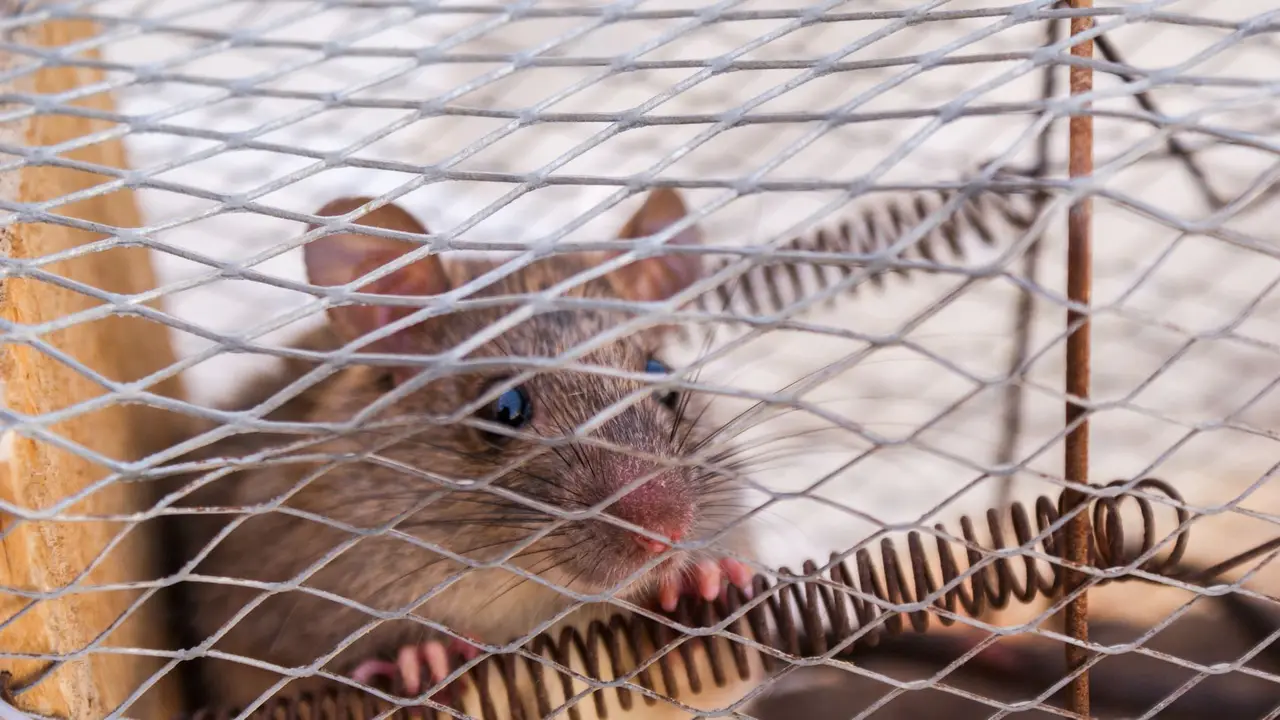
We ask where and when you have seen rats, then inspect the likely routes: basement edges, utility openings, kitchens, storage areas, and exterior access points. You can point out sounds, droppings, or damaged packaging. A typical initial inspection takes 30 to 60 minutes, depending on the property's size and the number of affected rooms.
Our technician distinguishes fresh signs from old activity by checking droppings, grease marks, gnawing, tracks, and nesting material. We note the location and likely direction of travel, then identify nearby food, water, and shelter. This step helps avoid unnecessary placements and gives you a clear explanation of where control efforts will focus.
We install suitable snap traps or secured bait stations along confirmed routes and in locations selected for safe access and inspection. We explain how each device works and which areas you should leave undisturbed. In sensitive spaces, we prioritize mechanical trapping and adjust device placement around children, pets, and daily operations.
We point out gaps at foundations, doors, vents, and service penetrations that could let rodents back inside. Depending on the opening, repairs may involve sealants, foam used with suitable materials, or exclusion screens. We distinguish immediate control from structural repair so you know which work addresses active rats and which prevents re-entry.
We set a practical review interval, often 7 to 14 days, to check devices and fresh signs. You can report new sounds or droppings between visits, and we use those details to adjust placements. When activity has stopped, we review sanitation and exclusion steps that help keep the property less attractive to rodents.

We use snap traps along confirmed travel routes where the device can be placed securely and inspected. Their position is selected to limit accidental contact and to make monitoring practical.
Secured bait stations hold rodenticide in a controlled location when site conditions support their use. We select placements according to the product label and keep access by children, pets, and non-target animals in view.
Exclusion screens can help protect suitable openings at vents or other access points. We identify the opening first and recommend a screen where airflow and the building's function allow it.
Sealants and appropriate foam products can close selected gaps around service penetrations or trim. The material must suit the opening; foam alone is not a durable answer for every rat-access point.
Catchmaster monitors can help reveal movement in appropriate monitoring locations. We use monitoring evidence to assess activity, not as a substitute for identifying and correcting a rat's entry route.
We start with fresh signs, not a predetermined device count. Droppings, grease marks, gnawing, and nesting material help identify routes and likely harborages. The inspection also checks food, water, and structural access, so the control plan fits the conditions at your Detroit property.
Our approach combines population reduction, monitoring, sanitation guidance, and exclusion recommendations. We choose mechanical traps or rodenticides according to the site and label requirements, then review results. This reduces reliance on a single tactic and addresses conditions that could support repeat activity.
When rodenticides are appropriate, we follow the product label for placement, handling, and use. We consider occupied rooms, pets, food areas, and non-target access before selecting a station. This keeps chemical control deliberate and distinct from mechanical trapping.
We examine the building envelope for openings at foundations, doors, vents, and utility lines. Recommendations use materials suited to the location, including sealants or exclusion screens where appropriate. Closing access after treatment helps prevent another rat from using the same route.
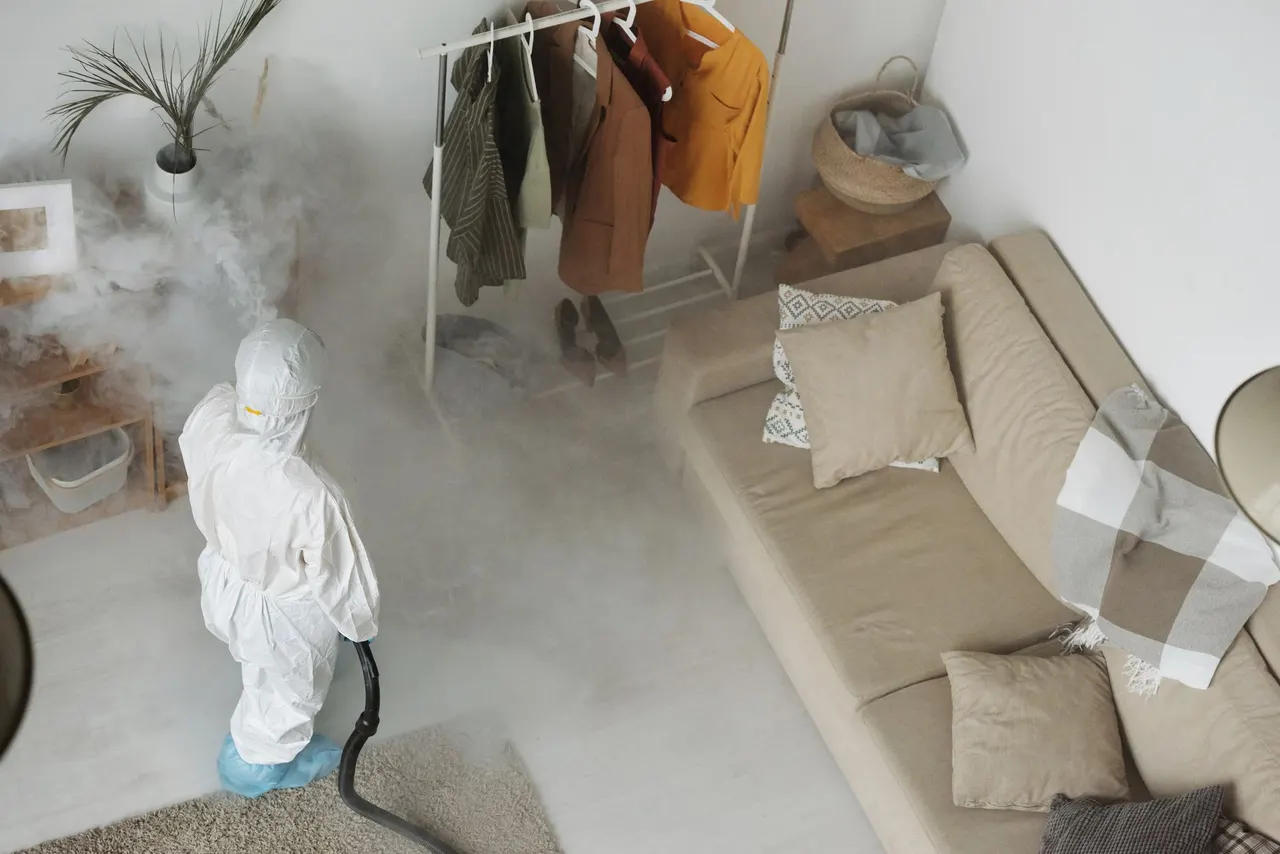
We inspect the doorway, food storage, and refuse route, then place suitable devices where staff and deliveries will not disturb them. We explain what to check during opening and closing and identify gaps that need attention. Staff have a defined monitoring routine, devices are placed with food operations in mind, and the likely access route is documented for correction.
We inspect the basement perimeter, pipe openings, and accessible ceiling routes for fresh signs. Once we locate evidence, we place traps along the route and explain how follow-up will confirm whether activity has stopped. You get a focused plan for the active area, plus clear information about the openings or conditions that could invite rats back inside.
We check both reported spaces and accessible common areas, map the evidence, and identify whether the route passes through a shared service opening. Device placement and review notes are organized around the building layout. Management can address the issue as a connected-building problem instead of treating each report as an isolated event.
We inspect the affected storage zone, loading access, and perimeter routes, then select devices that suit the traffic and inventory. Our technician identifies sanitation or exclusion steps and lays out a zone-based monitoring check. Your staff know which areas need checking, the suspected entry route is documented, and rodent activity can be tracked without disrupting normal warehouse movement.
Rat removal in Detroit requires attention to both the structure and the conditions around it. Cold weather from late fall through winter pushes rodents toward heated basements, pipe chases, and food storage; spring construction and changes in refuse access can shift exterior activity. Older brick houses may have settled gaps, while apartments and commercial buildings can share utility routes that connect several spaces. We inspect the specific foundation, service openings, doors, and waste areas rather than assuming the visible room is the source. Our rat exterminator Detroit Michigan service selects traps or secured bait stations based on evidence, occupancy, and access. For safe, durable control, we also identify exclusion needs and follow applicable product-label requirements. In Wayne County, rats can use alleys and shared refuse areas as sheltered travel routes, so your neighbors' activity may matter to the inspection. We serve Detroit, MI, including 48208, 48206, and 48207. If activity is in a restaurant, warehouse, or apartment, we adapt placement and monitoring to routine use of that building.
Older homes and mixed-use buildings can have basement penetrations and rear service doors worth checking. We look for fresh evidence before deciding where control devices belong.
Food deliveries, storage, and refuse movement make route inspection especially useful around commercial properties. We account for normal staff access when planning device locations.
Large homes with basements, garages, and older utility connections can present several possible entry points. We check each area against the signs rather than treating every opening.
Detached garages, exterior doors, and storage areas can offer separate access routes. We inspect the building perimeter and adjacent spaces to understand where activity is occurring.
Indoor scratching or droppings may become more noticeable as rodents seek shelter. We check heated spaces and the openings around pipes or foundations that connect the exterior to those areas.
A rat seen in one apartment may have traveled through a common utility room or wall void. We inspect accessible shared areas and document the route so management can coordinate sensible monitoring.
Accessible waste or food debris can draw rats close to rear doors and loading points. We inspect these areas alongside the building interior and recommend practical storage and closure steps.
The homeowner heard movement in a basement ceiling and found droppings beside stored boxes. A quick look showed no obvious route, and activity continued near a pipe penetration. Food and paper storage remained close to the wall, giving the area cover and potential nesting material.
Our inspection found a likely travel path along the basement edge and fresh signs near the pipe opening. We placed traps at two evidence-based locations and identified the gap for repair. At a 10-day check, the homeowner reported no new sounds and found no fresh droppings in the monitored area.
Maintenance: Keep storage several inches away from basement walls, seal food and animal feed, and check the pipe opening after repair. Contact us if fresh droppings or scratching return.
A property manager received separate reports from two apartments and assumed each unit had a different problem. Droppings appeared near a shared utility chase, and residents heard movement at night. Without a shared-area inspection, the route between the reports remained unclear.
We inspected both units and the accessible common space, locating signs along one utility route. Devices were placed in three controlled locations and recorded for review. At the follow-up, the manager reported no new signs in either apartment and had a specific opening identified for exclusion work.
Maintenance: Keep common refuse lids closed, avoid storing loose food near the utility area, and include the three device locations in routine checks. Report any new signs promptly.
A Southwest Detroit warehouse found torn cartons and gnaw marks in one storage aisle. Staff were unsure whether the damage came from current rodent activity or older stock movement. The loading area and perimeter had not been checked against the interior evidence.
Our technician found fresh signs near the affected aisle and a likely route from the loading side. We placed four monitoring and control devices in mapped locations, then reviewed the area after 14 days. Staff reported no new carton damage during that interval and knew which perimeter gap required attention.
Maintenance: Inspect incoming cartons, keep floor-level storage clear where practical, and record activity by aisle. Check the mapped device points on the agreed schedule and report new gnawing.
Rats leave clear evidence, but the source is not always the room where you find it. We trace likely routes through basements, kitchens, garages, and shared spaces, then match treatment to the property. If you are asking how to get rid of rats in your Detroit home, the first useful step is finding both the active route and a way inside.
Rodent contamination makes food areas unpleasant and can force you to discard exposed items. Continued activity also risks damage to packaging and nearby surfaces. We inspect the pantry, adjacent wall voids, and routes toward water or shelter. Our technician places appropriate traps or secured stations where evidence supports them, then discusses food storage and cleaning steps that reduce access to attractants.
Repeated sounds can signal rats moving between a basement, ceiling, or connected utility space. Ignoring the route may allow activity to reach additional rooms. We inspect accessible wall edges, pipe penetrations, and basement travel paths for droppings, rub marks, and openings. We use the findings to locate control devices and identify gaps that require exclusion, rather than treating the sound alone.
Gnawing can damage household goods and wiring, while shredded packaging may become nesting material. Damage can continue if rats keep using the same sheltered route. We locate fresh gnaw marks and nearby nesting or travel evidence, then position devices at confirmed routes. We recommend that damaged wiring be assessed by an appropriate electrical professional and identify the openings or storage conditions that support further rodent access.
An untreated opening gives rodents a repeat route into a warm building, especially when outdoor temperatures fall. Trapping alone will not close that route. We inspect the gap's size, location, and use, then recommend a suitable exclusion approach such as sealants or exclusion screens. We coordinate that prevention advice with active trapping so you address both the rats already inside and the route they used.
$180 - $450 for a focused residential visit; $500 - $1,200 or more for extensive activity and exclusion needs
Typical 2026 pricing in Detroit ranges from $180 to $450 for a focused residential visit; extensive activity, multi-unit inspection, or exclusion work can bring a project to $500 to $1,200 or more. Rat control services Detroit MI customers need are priced according to access, affected rooms, device count, and follow-up requirements. We explain the price before work begins. A small, accessible problem costs less to address than widespread activity involving shared spaces, difficult access, or building repairs.
A clear plan pairs active control with route identification and monitoring, helping you avoid paying for repeated guesswork. The right treatment also shows which building repairs or sanitation changes can reduce the chance of rats returning.
A single basement or kitchen usually takes less inspection and device setup than activity across several floors. Each additional area requires checking signs, locating routes, and planning safe placements, which adds labor and follow-up considerations.
Tight crawl spaces, finished ceilings, locked common areas, and multi-unit layouts can take longer to inspect. When activity may cross shared walls or service chases, we need to map the route carefully before selecting control locations.
The number and type of traps or bait stations depend on evidence and the size of the affected space. More devices can mean additional placement and checking time, especially when several routes need monitoring over a 7- to 14-day interval.
Closing entry gaps may require suitable sealants, screens, or building repair work. The cost depends on the size, material, and accessibility of each opening. Structural repairs are distinct from trap placement and are explained as a separate task.
Restaurants, warehouses, and offices may need service planned around food handling, deliveries, employees, or inventory. The inspection and device placement must fit the workflow, and a larger footprint usually requires more monitoring points.

Aardvark Motown Pest Control has served Detroit for 46 years, since 1980, and our technicians know how rats use the city's basements, alleys, older foundations, and shared building spaces. We inspect before choosing a treatment, use devices suited to the site, and explain safety and follow-up in plain language. Our work follows applicable pesticide-label directions and safe handling practices; treatment choices depend on the evidence and property conditions. From a single-family home to a restaurant or apartment building, we focus on control, access prevention, and a usable monitoring plan.

We heard scratching behind the kitchen wall and found droppings under the sink. The technician checked the basement and found a gap around a pipe, then placed traps where the activity was happening. He explained what to watch for over the next week. The kitchen has been quiet, and we finally know which opening needed attention.
Several tenants reported noises near the basement utility room. The team inspected the shared area, mapped the signs, and set devices away from normal foot traffic. They also pointed out two service openings we had missed. The follow-up gave us a useful record of trap activity and a clear list of repairs for the building.
We found gnaw marks near a dry-goods shelf before opening. The technician checked storage and the rear delivery area, then positioned secured devices where staff would not disturb them. We also received practical guidance for checking incoming cartons and keeping the refuse area closed. The next inspection showed less activity and gave us specific items to keep up.
A focused residential rat-removal visit often costs $180 to $450 in Detroit in 2026, while larger infestations or exclusion work can raise the total to $500 to $1,200 or more. Price depends on building size, number of affected areas, access, device count, and repair needs. We explain the price before work begins. Trapping and monitoring are different from structural repairs, which can require additional materials and labor.
The best rat removal in Detroit MI combines inspection, targeted trapping, and entry-point correction rather than relying on bait alone. We look for fresh droppings, gnaw marks, travel routes, and openings before choosing devices. The right approach also considers children, pets, food areas, and whether walls or neighboring units are involved. Ask for a clear monitoring plan so you can tell whether activity is stopping.
To get rid of rats in your Detroit home, remove accessible food and water, secure garbage, and arrange an inspection that identifies the active route and entry gap. Avoid moving unknown bait or traps, especially around children and pets. We use evidence to select suitable devices, then explain exclusion and monitoring. Fresh droppings, scratching, or gnawing after treatment are useful details to share during follow-up.
An initial rat-removal visit in Detroit usually takes 60 to 120 minutes, and effective control often requires monitoring over 1 to 3 weeks. A small, accessible problem can move faster; a multi-unit building or widespread activity takes longer to inspect and track. We check devices and fresh signs at the planned review, then adjust placements if evidence shows rats are using another route.
Not seeing your question? Our local team can help you understand urgency, scheduling and what to expect.
Ask the local team
Rats are only one source of pest activity a property may face. General service can address other identified pests and inspect conditions that contribute to recurring problems, such as accessible food or gaps around utilities. In Detroit, coordinated visits help you address separate issues without confusing rodent-specific monitoring.
View service
Rodent Control covers broader mouse and rat activity, including evidence in basements, garages, kitchens, and storage rooms. We identify the species and routes before selecting devices. For Detroit properties with activity in several areas, a broader rodent plan can coordinate monitoring and entry-point recommendations.
View service
Mice use small openings and often leave signs in cupboards, pantries, and wall voids. If an inspection finds both mice and rats, we distinguish their evidence and tailor device placement rather than treating them as identical. Detroit homeowners benefit from closing the different access points each rodent uses.
View service
Rodent and cockroach activity can overlap where food, water, and clutter provide shelter. Cockroach Extermination targets hiding places and breeding areas with methods suited to the species and room. We keep that work distinct from rat trapping while helping Detroit property owners address sanitation conditions that attract multiple pests.
View service
Call Aardvark Motown Pest Control at (313) 879-5917 to discuss insects, rodents, bed bugs, termites, or wildlife at your property. Our regular phone hours are Monday through Friday, 8:00 a.m. to 6:00 p.m.; leave a message outside those hours and include your Detroit neighborhood and the pest activity you noticed. We will respond during business hours.