Focused arrival windows
Useful updates and clear arrival timing.
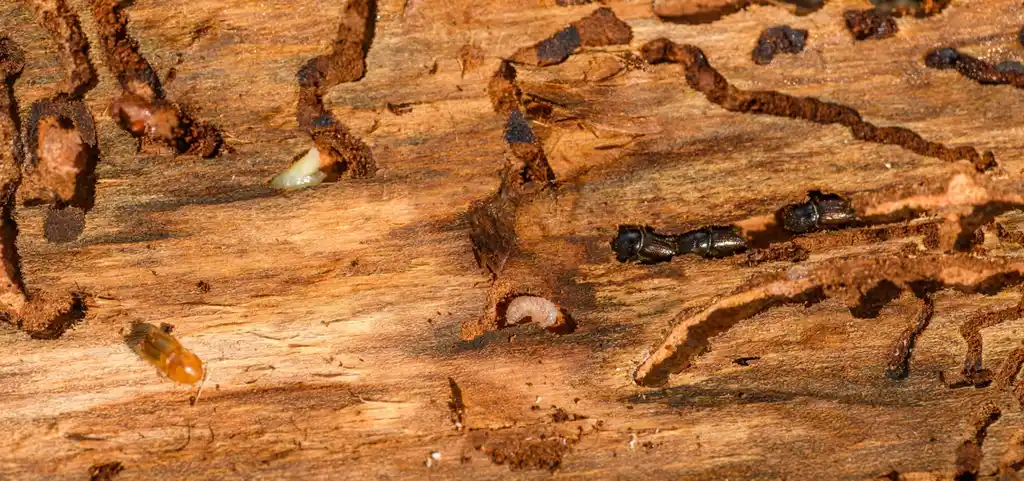
Pest Control in Indian Village needs a careful read of each property, from old foundation gaps to mature landscaping. We inspect entry points, identify the pest, and match treatment to your home or business rather than applying a blanket spray. Aardvark Motown Pest Control serves Indian Village and nearby West Village, with clear recommendations for homeowners who want pests addressed without unnecessary disruption.
Useful updates and clear arrival timing.
Review the approach and price before deciding.
Equipped vehicles and respectful cleanup.
Neighbors serving neighbors with follow-through.
Pest Control in Indian Village is a property-focused service that identifies and treats pest activity while reducing the access and conditions that allow it to return. Our team works across the Indian Village Historic District and West Village, where large historic mansions, older foundations, service entries, and landscaped lots call for a careful inspection before treatment. We look for droppings, rub marks, nest material, moisture, and openings around utility lines, then explain the practical next step. That makes Indian Village Pest Control more than a quick perimeter application.
Aardvark Motown Pest Control was founded in 1980 and has served Detroit for 46 years. We handle residential and commercial calls across Wayne County, including properties in ZIP codes 48214 and 48207. Our technicians use targeted methods such as bait stations, snap traps, and insecticide sprayers when appropriate, while keeping your household and property layout in view. If you are comparing an exterminator Indian Village MI residents can reach for rodent, insect, or wildlife concerns, call us at (313) 879-5917. We will ask what you have seen and help you choose the right service.
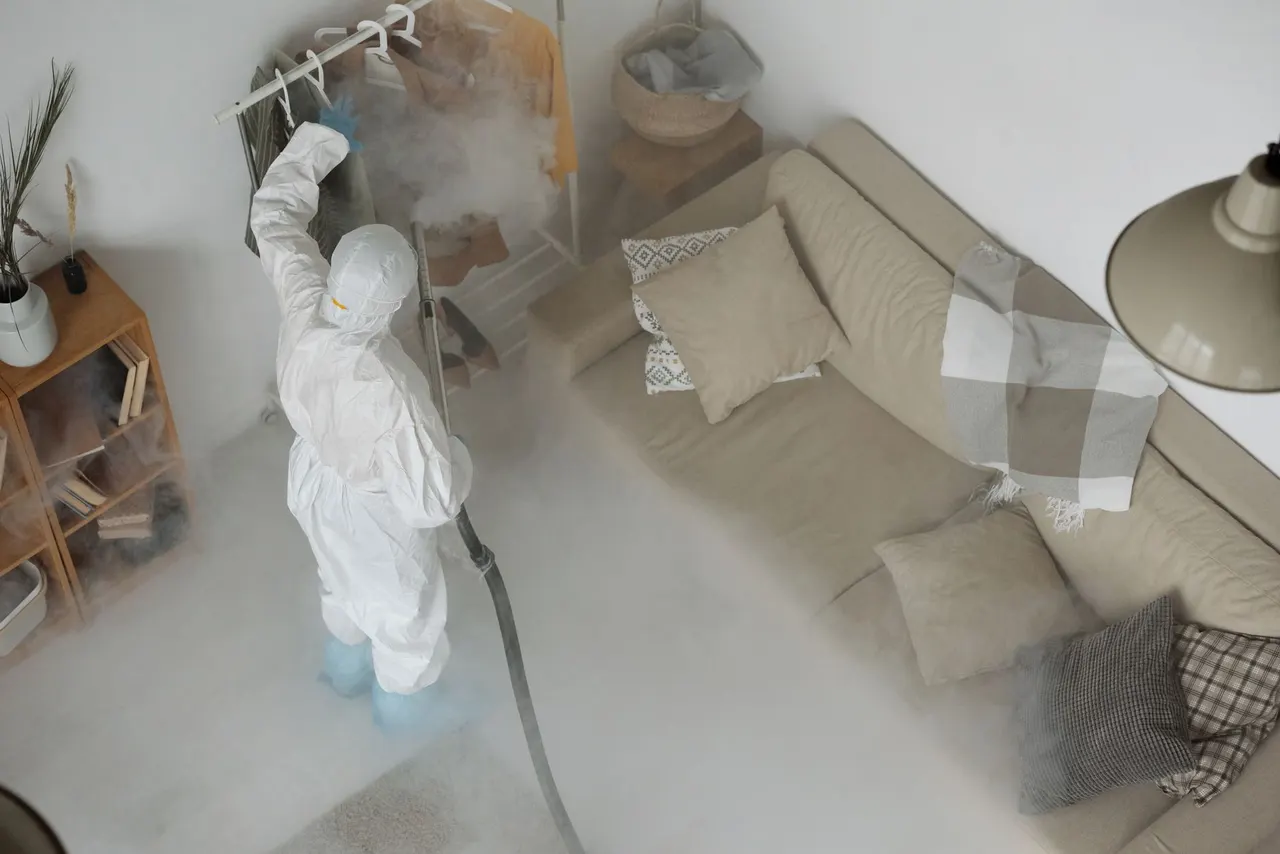
Pest activity in Indian Village ranges from mice finding a foundation opening to ants tracking along a kitchen wall or wasps nesting under an eave. We start by identifying the pest and checking how it is entering, then select a treatment that fits the building and the people using it. For owners seeking affordable pest control in Indian Village, addressing a source early can prevent a small nuisance from becoming a larger repair or sanitation issue. We also provide commercial and residential service across the neighborhood.
We inspect interior and exterior pest evidence in Indian Village homes, then use targeted treatment for the pest found. For a historic house near Seminole Street, we pay attention to foundation transitions, basement windows, and service penetrations. Your plan may include monitoring, crack-and-crevice treatment, or practical exclusion steps, with follow-up guidance tied to the activity observed.
View service →02Rodent Control starts with locating travel paths and entry points, not simply placing bait. In Indian Village, we check basement edges, garage doors, utility openings, and attic access in older homes. We can use secured bait stations or snap traps where suitable, then identify gaps that need sealants or exclusion screens so you can reduce repeat access.
View service →03A mouse sighting in a kitchen or basement often signals an entry route nearby. We inspect Indian Village properties for droppings, rub marks, and openings around pipes, then position traps where activity supports it. You receive clear instructions for food storage and access control, and we check whether repairs to door sweeps or gaps will help keep mice out.
View service →04Rat Removal calls for a careful inspection of exterior access, burrows, and interior travel routes. Our team checks foundations, outbuildings, and waste-storage areas at Indian Village properties before selecting a control method. We use secured devices suited to the location and discuss sanitation and exclusion, particularly where mature landscaping or structural gaps provide cover.
View service →05We trace cockroach activity to moisture, food, and hiding places rather than treating visible insects alone. In Indian Village kitchens and utility rooms, inspection includes cabinet seams, appliance edges, and plumbing penetrations. Targeted baits and crack treatment reduce exposure to occupied areas; you will also get specific preparation steps that support treatment and monitoring.
View service →06Ant Control begins by following the trail to its route or nesting area. We inspect window frames, foundation joints, patios, and kitchen thresholds, common interfaces in older Indian Village homes. Depending on the species and activity, we apply bait or a targeted treatment and explain what to clean or leave undisturbed so the treatment can work as intended.
View service →07Our spider service focuses on web locations, insect food sources, and access points around the structure. In homes with mature landscaping, we inspect window wells, porches, basement corners, and exterior lighting areas. We remove accessible webs, apply targeted treatment where appropriate, and point out screens or door gaps that can reduce insects entering your living space.
View service →08We inspect mattress seams, bed frames, upholstered furniture, and nearby room edges before choosing a bed bug treatment. If you have found bites or spotting, avoid moving items through the house; that can spread an infestation. Our Indian Village service includes preparation guidance and a follow-up plan based on inspection findings and the treatment method selected.
View service →09Heat treatment uses controlled equipment to raise temperatures in treated areas to a level designed to address bed bugs and eggs. We map the rooms, protect heat-sensitive items, and explain the preparation required before setup. The process is especially important in multi-room homes where furniture and belongings need coordinated handling rather than scattered treatment.
View service →Pest Control near Indian Village starts with a site inspection and a conversation about exactly where you saw activity. We check basements, crawlspaces where accessible, porch transitions, roof edges, and openings around plumbing or electrical lines. In large historic mansions, older materials and finished interiors make placement and access planning important; we target confirmed routes instead of treating every surface. Detroit's cold winters and warm, humid summer periods also change where pests shelter, so we adjust inspection priorities by season. We schedule around your access needs and explain preparation before service. For an active rodent issue, we may place snap traps or secured bait stations and identify repair points; for insects, an insecticide sprayer or targeted bait may be more appropriate. We keep equipment contained and follow product-label directions. If you need same-day pest control Indian Village MI residents can call (313) 879-5917 to discuss the problem and available service timing. Our technicians also account for narrow side access, gates, and parking near the property before arriving.
Older foundations and later utility work can leave irregular gaps that are easy to miss from inside a finished room. Rodents can use small openings, while insects follow seams and moisture routes. Treatment without locating these paths often leaves the underlying access unchanged. We inspect visible foundation lines, basement windows, pipe penetrations, and door thresholds. Where an opening is suitable for repair, we recommend durable sealants, screening, or another exclusion measure. We place traps or baits based on observed activity and check that devices remain accessible for monitoring.
Established shrubs and planting beds can limit sightlines along foundations and create shaded areas where insects or wildlife may shelter. That does not make every landscaped property a pest problem, but it changes how we inspect access points and choose safe treatment locations. We walk the exterior with you, check vegetation touching the building, and note the location of doors, patios, and pet areas. We focus treatments on confirmed activity and explain simple trimming or storage changes that improve access for future inspections.
As temperatures fall, rodents and some wildlife look for protected shelter in garages, attics, and wall voids. A trap alone does not solve an open entry point. In a large house, several access routes may need to be checked before the problem is closed out. We trace the reported sound or sign to likely access points, inspect roofline and lower-level openings, and choose removal methods suited to the animal. Once activity is resolved, we recommend exclusion screens or repairs that prevent easy re-entry.
Michigan requires appropriate pesticide applicator credentials for regulated pesticide work. We select products and application methods according to label directions and the treatment site, and our service process keeps occupants informed about preparation and re-entry instructions.
Federal pesticide labels specify permitted use sites, application directions, and safety requirements. We follow the label for each product and account for the treated surface, access, and household use so your service is conducted within the product's stated directions.
Indian Village's older building stock, landscaped lots, and changing Detroit weather create several recurring pest situations, though conditions vary from house to house. Cold weather drives rodents toward protected interior spaces, while warm months bring more insect activity outdoors and around openings. Large historic mansions can have many roofline, basement, and utility transitions to inspect. Our Indian Village exterminator service focuses on evidence at the property, including how pests enter, where they shelter, and what repairs can reduce repeat activity.
Older foundations, added utility lines, and worn door sweeps can leave routes into basements and garages. As temperatures drop in Detroit, rodents seek sheltered spaces with food and nesting material. The building's age alone does not prove activity, so we look for droppings, rub marks, and gnawing. We inspect the perimeter and interior signs, then use suitable traps or secured bait stations at confirmed travel routes. We identify repair points and recommend sealants or exclusion screens where they fit. Follow-up monitoring confirms whether activity has stopped.
Small gaps around windows, doors, and trim can give foraging ants access to kitchens and pantry areas. Food residue or moisture helps maintain a trail, and spring warming increases outdoor activity. A trail may shift when disturbed, so its direction and timing are useful inspection clues. We identify the ant route and treatment area before applying bait or another targeted product. We explain what surfaces to clean and where not to disturb bait. If a gap is contributing to access, we point it out and recommend a practical repair.
Protected eaves and roof overhangs offer shelter for nest building during warmer months. Mature landscaping can limit the view of some exterior areas, but the nest location must be verified rather than assumed. Activity near an entry raises the need for a careful access plan. We confirm the insect and nest position, control access around the work area, and use an appropriate treatment or removal method. Afterward, we check nearby edges for additional activity and provide clear instructions on what to observe before using the doorway normally.
Moisture, wood-to-soil contact, and concealed foundation transitions can make termite signs difficult to spot in older homes. Detroit's wet periods can leave vulnerable areas damp if drainage is poor. Not every damaged board is termite damage, which is why inspection matters. We inspect accessible wood, foundation edges, and visible mud tubes, then explain what evidence supports a termite concern. If activity is confirmed, treatment is planned for the affected structure. Prevention recommendations address moisture and direct wood contact where practical.

In 2026, a focused inspection and treatment for a limited insect issue may run about $180-$450, while a rodent-control visit with monitoring and exclusion recommendations may range from $250-$700. Larger infestations, bed bug heat treatment, wildlife removal, or work requiring roofline access can cost more because they involve additional labor, equipment, or follow-up. Indian Village Pest Control pricing depends on pest type, activity level, building size, access, and the number of treatment areas. We explain the price before work proceeds. Call (313) 879-5917 with the pest, where you saw it, and whether you have noticed it once or repeatedly; those details help us point you toward the right service.
A single ant trail or isolated wasp nest requires less time than activity across several rooms or multiple floors. We inspect the evidence first, then price the treatment around the affected area and any necessary follow-up monitoring.
Basement, attic, roofline, and enclosed-wall access can change the labor and equipment needed. Historic properties with finished spaces or difficult exterior access need a site-specific plan so treatment reaches the source safely.
Wildlife removal, extensive rodent entry repairs, and bed bug heat work involve different tools and labor than a routine insect treatment. The number of openings, rooms, and return checks affects the final service cost.
We use familiar Indian Village landmarks as orientation points, not as claims about pest activity. Seminole Park and Pewabic Pottery help distinguish the neighborhood's location when you give directions, while Jefferson Avenue provides a recognizable corridor for reaching nearby streets. The Detroit Riverwalk is a broader geographic reference along the river. Please share your street address, gate details, and the best place to park; landmark references help us orient, but the exact address determines the service stop.
The district name identifies the historic residential area on Detroit's east side and helps orient visitors toward the neighborhood's established street grid.
Seminole Park is a local orientation point for Indian Village. It can help a caller describe which part of the neighborhood is closest to an address.
Pewabic Pottery is a recognized Detroit landmark near Indian Village and a useful reference when describing the neighborhood's east-side location.
The Detroit Riverwalk marks the riverfront corridor and gives broad geographic context for Indian Village's proximity to the Detroit River.
Jefferson Avenue is a major local street and a practical route reference for reaching the Indian Village area from surrounding parts of Detroit.
West Village is an adjacent Detroit neighborhood with residential streets and neighborhood-serving businesses. Its proximity makes it a useful reference for customers coordinating service near the Indian Village boundary.
The Jefferson Avenue corridor connects residential areas with businesses and services along Detroit's east side. It is a practical geographic reference for locating addresses near Indian Village.
Jefferson Avenue provides a recognizable east-side route reference for access to Indian Village streets; exact routing depends on the service address and current road conditions.
The Riverwalk is a riverfront orientation point rather than a direct address marker; it helps establish the neighborhood's position along the Detroit River.
Our Indian Village coverage includes homes and businesses throughout the historic district and the streets that connect it with West Village. We plan each visit around the building, the reported pest, and practical access to the property. Residents in ZIP code 48214 can call for inspections, treatment, exclusion guidance, and follow-up. We also serve nearby addresses in 48207 as part of our Detroit route.
Large historic mansions and mature landscaping call for a careful inspection of foundations, basements, porches, and rooflines. We look for pest entry without treating age or architectural detail as evidence of an infestation, then tailor recommendations to the specific house. We route to the district through Detroit's east-side street network and plan arrival around your driveway or curb access.
West Village sits beside Indian Village and includes a mix of residential buildings and neighborhood businesses. Our technicians inspect reported activity in kitchens, basements, shared walls, and exterior entries, choosing treatment based on the structure and pest evidence. The adjoining neighborhood is a straightforward part of our Indian Village service route; call to arrange a visit.
Seminole Street is a useful local reference for customers describing a property or arranging access. At homes along this corridor, we assess door thresholds, basement openings, and landscaping close to the building when investigating rodents or insects. Give us the nearest cross street and entry instructions so our technician can locate your property efficiently.
Properties near Jefferson Avenue connect Indian Village with the broader east-side street network. A service visit here still begins with the reported signs and a property inspection, including garages, exterior doors, and utility penetrations where pests may enter. We use Jefferson Avenue as a practical route reference and confirm the property's exact address before dispatch.
Every property calls for its own inspection, so these examples describe practical service scenarios rather than promised outcomes for every home. We trace activity, choose focused control methods, and address access where possible. Numbers below describe the work steps and monitoring intervals in each scenario; your technician will build a plan around what is actually present at your address.
A homeowner near Seminole Street reported mouse droppings in a basement storage area and occasional scratching behind a utility wall. We inspected the basement perimeter, pipe openings, and the route behind stored items. After confirming rodent signs, we placed snap traps at two activity points and identified a gap at a service penetration for sealing. We also reviewed food storage and advised the homeowner to leave the monitoring area clear for a follow-up check. At the two-week check, the homeowner reported no new scratching and no fresh droppings in the cleared area. The entry gap had been sealed, and the traps remained available for continued monitoring.
A residence in the Indian Village Historic District had recurring ants along a kitchen window and a trail near the back entry. We followed the trail, inspected the window frame and exterior threshold, and applied targeted bait at the confirmed route. We avoided broad treatment across the kitchen and explained why the bait should remain undisturbed. The homeowner corrected a small gap at the threshold after the service visit. The visible trail declined over several days, and the follow-up inspection found no active line at the kitchen window. The homeowner retained the entry-point recommendation for routine maintenance.
A property near West Village had repeated wasp activity under an exterior eave beside a frequently used doorway. We confirmed the nest location and planned access so the doorway could be kept clear during treatment. The technician treated the nest using a method appropriate to its position, then checked the nearby eave for additional activity. We explained what to watch for over the next 24 hours and when to call back. The active nest was treated, and no further concentrated flight was reported after the observation period. The owner kept the doorway clear during service and received a specific recheck instruction.

We found mice in the basement of our Indian Village home and wanted the entry point handled, not just a trap dropped in a corner. The technician checked around the pipes and basement door, showed us where activity was concentrated, and set traps in the right places. We appreciated getting practical sealing advice before he left.
Ants kept appearing by a kitchen window even after we cleaned the area. Aardvark traced the trail to the exterior and used targeted bait rather than spraying the whole room. They explained what not to wipe away and what to watch for over the next few days. The guidance was clear and useful.
We called about scratching near the roofline and were concerned about an animal getting into the attic. The technician inspected the eaves, explained the access point, and laid out the removal and exclusion steps. We knew what to keep clear and what signs to listen for after the work. The visit felt specific to our house.
As November arrives in Detroit, rodent and wildlife calls often focus on warm shelter, attic access, and basement openings. Winter does not stop indoor pest activity; it changes where you are likely to notice it. In spring, ants and other insects become more visible, followed by summer mosquito, tick, and stinging-insect concerns. Fall brings another push toward protected spaces. If you are searching for 24/7 pest control Indian Village near me, call about urgent activity and we will discuss the next available response.
Warmer days bring more ant trails, emerging wasps, and increased insect movement around doors and windows. Rain can also expose drainage or standing-water issues in yards. Check basement windows and thresholds after the ground thaws, especially where seasonal storage blocks the view.
Mosquitoes, ticks, wasps, and bees become more noticeable as outdoor use increases. Dense planting and shaded areas need inspection, while nest activity near an entrance can make access unsafe. Keep an eye on water-holding containers and the eaves above porches.
Cooling temperatures encourage mice and other animals to seek sheltered spaces in basements, garages, and attics. Leaves can obscure exterior openings, and stored seasonal items may create hiding places. Fresh droppings or scratching should be addressed before activity spreads.
Indoor rodent evidence often becomes easier to notice when outdoor temperatures fall. Mice may travel along basement walls, behind appliances, or near food storage. Wildlife noises in an attic also deserve attention, but the sound should be investigated before an opening is sealed.
Indian Village is part of our wider Detroit service region. We coordinate calls across nearby neighborhoods so a household, property manager, or business can reach the same local team for pest inspection and treatment. Coverage extends to central Detroit areas and west-side neighborhoods, including locations listed below. If your property sits between service areas, call with the address and pest concern so we can direct your request to the right route.

Downtown Detroit lies northwest of Indian Village within the same city service region, with routes connecting east-side residential calls to central properties.
Local coverage and details
Midtown is northwest of Indian Village and part of our broader Detroit coverage for residential and commercial pest concerns.
Local coverage and details
Corktown is on Detroit's west side, farther across the city from Indian Village but included in our citywide service area.
Local coverage and details
Mexicantown is southwest of Indian Village and connects to the same Detroit service network for pest inspections and treatment.
Local coverage and detailsA strong pest contractor should explain what pest is present, where it is active, and how the proposed treatment addresses the source. That matters in Indian Village, where historic construction can hide access points and finished areas need careful planning. Ask about the technician's Michigan pesticide credentials, the product and application site, preparation, and follow-up. A clear answer should include practical steps, not a blanket promise. We welcome direct questions about your property and the service being recommended.
Different pests leave different signs, and treatment selection depends on an accurate identification. A good answer should describe what the technician will inspect, such as droppings, trails, nest activity, or damage. This helps prevent unnecessary treatment and directs attention to the actual source.
Pesticide work must follow Michigan credential requirements and product-label directions. Ask who will perform the application and what precautions apply to your rooms, pets, and household. A straightforward explanation shows the contractor understands both the work and the safety steps.
Treatment may reduce activity, but an open gap can allow pests to return. For Indian Village homes, ask whether the inspection includes foundations, utility penetrations, basement windows, and roofline access. You should leave knowing which entry points were found and what can be repaired.
Preparation can affect whether a treatment reaches the target area. The contractor should give specific instructions about food, pets, furniture, or rooms and explain any re-entry guidance that applies. Vague directions make it harder to prepare safely and protect the treatment.
Monitoring and follow-up are important for rodents, bed bugs, termites, and recurring insect activity. Ask what signs the technician will review, when a recheck is appropriate, and what you should report. A defined way to assess results is more useful than a simple claim that the job is finished.
National Pest Management Association
National Pest Management Association
General liability coverage for pest management operations
Member
Industry participant
A limited insect treatment often costs about $180-$450, while rodent control with monitoring commonly ranges from $250-$700. Typical 2026 pricing depends on pest type, affected rooms, access, and follow-up needs. Bed bug heat work and wildlife removal require separate site-specific pricing because equipment and labor differ. We explain the price before work proceeds; call (313) 879-5917 with the signs you have found.
The right provider is one that identifies the pest, inspects entry points, explains treatment choices, and follows Michigan pesticide requirements. Aardvark Motown Pest Control has served Detroit for 46 years and handles homes and businesses in Indian Village. Ask how the technician will verify activity and what follow-up is planned. For a local exterminator Indian Village residents can contact, call us to discuss your property.
You need an inspection when you find repeated droppings, persistent trails, a nest beside an entry, unexplained scratching, or possible termite signs. A single outdoor insect does not always require treatment, but recurring indoor evidence deserves attention. We check the pest, source, and access route before recommending work. Call promptly if an animal is inside a wall or attic and you are unsure whether it is safe to seal an opening.
Mice, rats, ants, spiders, wasps, mosquitoes, and occasional wildlife concerns are among the issues homeowners report in Indian Village. The exact pest depends on the property, season, and signs observed; mature landscaping or an older house alone does not confirm an infestation. We inspect evidence such as droppings, trails, nest activity, and damaged materials before selecting treatment.
Choose a company that inspects before treating, explains its method, follows product labels, and can discuss Michigan applicator credentials. Ask whether the service includes entry-point checks and what follow-up looks like. For affordable pest control in Indian Village, compare the actual inspection and treatment steps rather than price alone. We will discuss your signs and recommend a service that matches the problem.
Not seeing your question? Our local team can help you understand urgency, scheduling and what to expect.
Ask the local team
Call Aardvark Motown Pest Control at (313) 879-5917 to discuss insects, rodents, bed bugs, termites, or wildlife at your property. Our regular phone hours are Monday through Friday, 8:00 a.m. to 6:00 p.m.; leave a message outside those hours and include your Detroit neighborhood and the pest activity you noticed. We will respond during business hours.