Focused arrival windows
Useful updates and clear arrival timing.
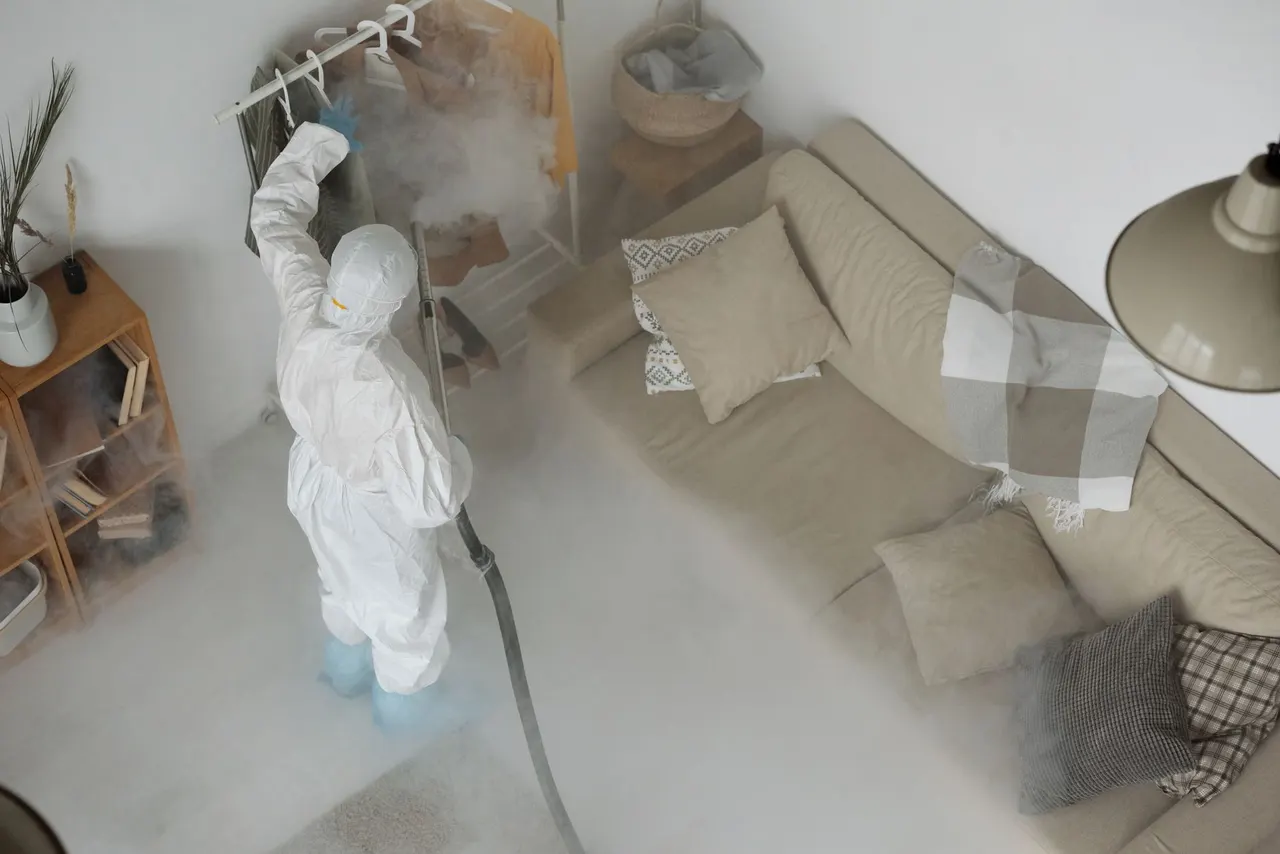
Termite Prevention Detroit MI helps homeowners and property managers reduce the conditions that let termites reach wood framing, sill plates, and stored lumber. We inspect the foundation, crawl spaces, utility penetrations, and moisture-prone areas, then explain the next step in plain language. November is a good time to address drainage and wood-to-soil contact before spring activity increases. Call Aardvark Motown Pest Control at (313) 879-5917 to arrange an inspection.
Useful updates and clear arrival timing.
Review the approach and price before deciding.
Equipped vehicles and respectful cleanup.
Neighbors serving neighbors with follow-through.
Termite prevention includes a visual inspection of accessible risk areas, identification of conducive conditions, practical correction recommendations, and a treatment or monitoring plan when warranted. We explain the scope before work and use products according to their labels. Structural repairs, concealed demolition, and active termite treatment beyond the agreed plan are separate work, because each requires its own assessment and method.
We inspect accessible foundation edges, basement framing, porch supports, and utility penetrations for mud tubes, damaged wood, and concealed access. You see the areas we flag and receive practical guidance on keeping the foundation line open for future checks.
Our technician looks for leaking pipes, damp crawl-space conditions, poor drainage, and downspouts discharging beside the building. We identify which moisture issues increase risk and explain what should be corrected first to make the structure less favorable to termites.
We outline property-specific steps such as moving stored lumber, reducing wood-to-soil contact, clearing siding edges, or improving access to inspection points. Recommendations are prioritized so you can address high-impact conditions before routine maintenance items.
Where appropriate, we place monitors or detectors at selected points and explain what they can reveal. Monitoring locations are chosen for access and relevance, not scattered randomly. We tell you when to check them and what signs should trigger a call.
If inspection finds active evidence or elevated risk that warrants treatment, we explain the proposed approach, product label precautions, and follow-up. The method depends on the structure, access, and findings. You know which areas are addressed and what maintenance supports the result.
Share what is happening and receive a clear next step from the local team.
Termite Prevention Detroit MI is a preventive pest management service that reduces termite access to structural wood and identifies conditions that raise the risk of infestation. Our work starts with an inspection of foundation edges, crawl spaces, basement framing, porches, and plumbing or utility openings. We look for mud tubes, soft or blistered wood, persistent moisture, and wood touching soil. If treatment is appropriate, we select a labeled approach for the structure and site conditions, then explain monitoring and maintenance steps so you know what to watch after the visit.
Detroit homes range from older brick properties with stone or masonry foundations to renovated houses with additions, finished basements, and tight utility penetrations. Leaking downspouts, damp crawl spaces, mulch piled against siding, and firewood beside a wall can create avoidable termite pathways. Our termite prevention services Detroit MI focus on these practical risk factors, not just visible insects. If you have searched how to prevent termites in Detroit MI, start with moisture control, clear inspection access, and a professional assessment of suspicious wood.

We start with your concerns: a mud line on the foundation, discarded wings near a window, damp basement framing, or a home purchase inspection. You show us any problem areas and tell us about recent plumbing leaks or exterior work. This conversation usually takes 10 to 15 minutes and helps us prioritize the inspection.
Our technician checks accessible foundation edges, basement and crawl-space framing, porch supports, sill plates, and utility penetrations. We look for mud tubes, damaged wood, moisture, and conditions that hide access. A typical single-family inspection takes 45 to 90 minutes, depending on access and the size of the building.
We show you where we found risk conditions and separate confirmed evidence from general vulnerability. Photos or marked locations can make concealed areas easier to discuss. You receive practical priorities, such as correcting a leak first, clearing stored lumber, or arranging a targeted termite treatment if active signs are present.
If preventive or corrective treatment is needed, we explain the product label, placement, and preparation before work begins. Depending on the site, the plan may involve a localized application, monitors, or a referral to repair a moisture source. Most targeted service visits take one to three hours; extensive work takes longer.
Before we leave, we review what was treated, which conditions you should correct, and when to check the monitored areas again. You get a clear maintenance routine rather than a vague promise. For monitored properties, a follow-up interval is set according to site risk and product requirements, often within 30 to 90 days.
We use detectors at selected locations to support monitoring and help identify activity over time. Their placement follows the inspection findings, and results are interpreted alongside visible evidence and building conditions.
A thermal camera can highlight temperature patterns associated with moisture or concealed differences behind accessible surfaces. It does not identify termites by itself; we confirm concerns through a hands-on inspection and appropriate follow-up.
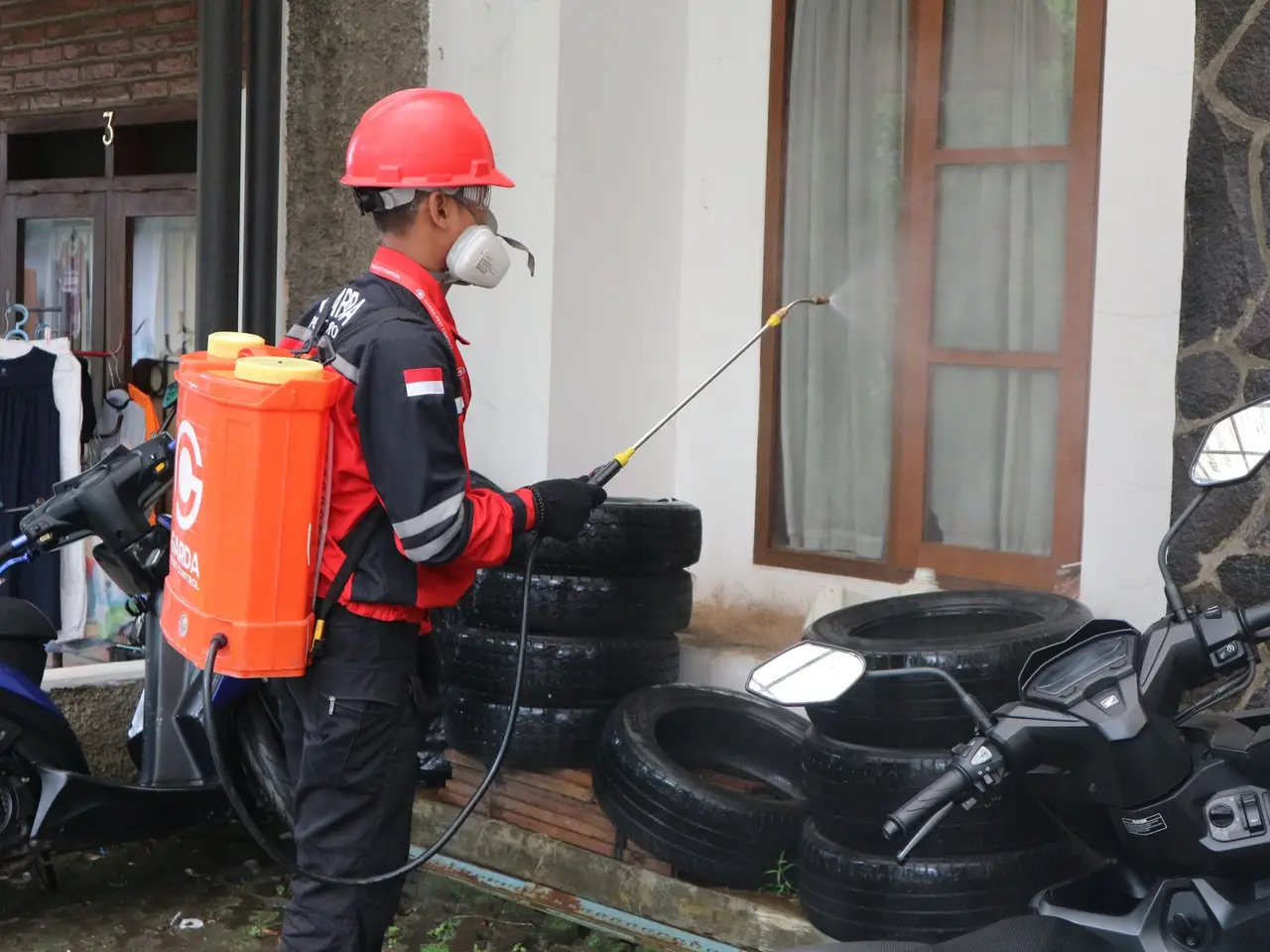
For an approved targeted application, a sprayer places a labeled product in the intended area. Our technician follows label directions for application, protective measures, and access restrictions so the method suits the site.
Foam or sealants may be appropriate for selected gaps or utility openings, depending on the material and purpose. We use exclusion materials only where they will not conceal active evidence or interfere with drainage and building maintenance.
Monitors provide a repeatable point for checking termite activity where site conditions justify their use. We record the location and explain a follow-up interval, so you know what the device is meant to show and when it should be inspected.
We combine visual inspection, moisture review, access-point assessment, and monitoring decisions. The method begins with the building rather than a product choice. Findings determine whether the next step is maintenance, a targeted application, or further investigation of concealed wood.
We identify conditions that bring damp wood or cellulose close to the structure, including leaks, poor drainage, and stored lumber. Recommendations focus on practical changes such as redirecting water, clearing foundation edges, and reducing direct wood-to-soil contact.
When treatment is warranted, we select placement based on the inspection, structure, and product label. We explain precautions and treated locations before application. The goal is a method appropriate to the evidence, not an indiscriminate application across unrelated areas.
We identify specific locations for repeat checks and set an interval based on risk and product requirements. Follow-up looks for new tubes, changes in wood condition, moisture recurrence, and monitor activity. A repeatable record helps you see whether corrections are holding.

We inspect visible foundation edges, basement framing, sill plates, and accessible crawl spaces before you close or begin renovations. Our technician records evidence and conditions that deserve attention, including damp wood and blocked inspection lines. You receive practical priorities for repairs or monitoring. You understand the termite risk areas before committing to finish work, moving belongings, or addressing a repair budget.
We check the wet foundation area for moisture-related wood changes and termite access, then identify drainage corrections that should come first. If we find evidence, we discuss a targeted response and monitoring rather than treating the entire property without a reason. You know whether the issue is a drainage problem, a termite warning sign, or both, and which action should happen first.
We inspect the nearby window framing, foundation seam, and accessible basement wood to identify the insect and look for additional signs. Termite detectors may be used at selected points after the visual check. We explain whether treatment, monitoring, or further access is needed. You get an evidence-based next step before suspected activity is covered by storage, paint, or renovation work.
We coordinate access to common areas, utility rooms, and representative units, then note recurring moisture or foundation conditions. Where risk patterns repeat, we identify priorities for maintenance staff and set monitoring locations that can be checked during scheduled property rounds. Your team receives a consistent inspection record and a workable maintenance sequence across the buildings.
Termite prevention Detroit Michigan must account for freeze-thaw cycles, wet spring weather, and the way older buildings meet later additions. November is a useful time to repair downspout discharge, remove damp leaves from foundation edges, and move stored wood before winter access becomes difficult. Spring rains can expose drainage problems; summer humidity can keep crawl spaces damp. We inspect basements, porches, sill plates, and utility penetrations with the building's age and construction in mind. Brick exteriors do not eliminate risk: termites can travel behind masonry or enter through gaps around pipes and additions. Our termite control Detroit Michigan plan connects visible evidence to the specific structure and its moisture conditions. We serve Wayne County properties, including homes near the Detroit River where drainage and ground conditions vary by block. Inspection access matters, so clear stored items from basement walls and crawl-space entries before the visit. We use product labels and applicable pesticide requirements to guide any treatment, then give you a maintenance schedule suited to the findings.
Older homes and renovated additions can create varied foundation transitions. We check accessible basement edges and utility openings where construction changes meet original masonry.
Large porches, mature landscaping, and wood features deserve careful inspection. We look for soil or mulch covering foundation edges and stored materials beside exterior wood.
Water management is an important part of the inspection in areas affected by heavy rain. We check downspouts, low foundation spots, and damp basement conditions.
Historic building details can include enclosed porches and finished basement areas. We focus on visible transitions and preserve access to foundation lines for future checks.
Repeated wetting can make drainage defects more important and obscure early wood changes. We inspect downspout outlets, basement corners, and accessible sill areas, then recommend moisture corrections before relying on monitoring alone.
Transitions can create concealed gaps and inspection blind spots. We check accessible seams, utility penetrations, and the area where the addition joins the original structure, noting whether a monitor or additional access is appropriate.
Covered edges are harder to inspect and can hide tubes or damaged wood. We identify practical clearance changes that expose the foundation line without disturbing established landscaping unnecessarily.
A Detroit homeowner noticed dampness beside a basement wall after heavy rain. A downspout ended near the foundation, cardboard boxes blocked the inspection line, and the sill area had not been checked in years. The water pattern made it difficult to tell whether the wood change was ordinary moisture damage or a termite concern.
We inspected the accessible foundation and framing, found no visible mud tubes, and marked a soft trim area for repair. The owner extended the downspout about 6 feet from the wall and cleared a 2-foot inspection strip. The next check found the area dry, with no new visible evidence.
Maintenance: Keep the outlet clear, check the basement corner after major rain, and avoid storing boxes against the wall. Reinspect the cleared foundation edge monthly and call if tubes, wings, or fresh wood damage appear.
At a rental property in Midtown, mulch and stacked planters covered sections of the foundation. The property manager had seen insect wings near a first-floor window but could not tell where they came from. No recent termite inspection had included the exterior foundation line.
We inspected the window framing and newly exposed foundation, then found no confirmed active termites. The manager pulled mulch back to create a visible 6-inch clearance below siding where the building allowed it and moved planters away from the wall. The entry line was easier to inspect afterward.
Maintenance: Keep the siding edge visible through seasonal landscaping, and check the window sill after spring cleanup. The manager added a quarterly perimeter walk to routine property rounds and will call if fresh wings or mud tubes appear.
A Corktown homeowner planned to finish a basement beneath a rear addition. A plumbing opening and a damp corner were about to be covered, leaving little access to the framing. The owner wanted a termite check before insulation and drywall went in.
We examined the accessible sill area, utility penetration, and foundation transition before construction continued. The plumber corrected a small leak, and the contractor kept a serviceable inspection opening. No active evidence was found during the visit, and the risk conditions were documented for future checks.
Maintenance: Keep the access panel usable, watch the repaired plumbing connection, and avoid sealing over any area identified for monitoring. Recheck the transition after the first wet season and report any new wood changes promptly.
Termite concerns often start with a small clue: a mud tube, soft trim, or wings beside a basement window. Our inspection connects that clue to the building conditions around it. If you are asking how to prevent termites in Detroit MI, we focus on access, moisture, and wood placement before damage becomes harder to assess.
Persistent moisture can soften wood and make foundation areas harder to inspect, while a hidden leak may continue damaging framing behind stored items or finished walls. We inspect the accessible framing and foundation around the damp area, look for termite evidence, and identify likely moisture sources such as a downspout or plumbing leak. We explain what needs repair and whether monitoring or targeted treatment is warranted. Once the water source is corrected, the area becomes easier to inspect and maintain.
A tube can indicate termite movement between soil and wood; leaving it unexplored risks missing activity behind trim or in a concealed structural area. We document the tube location, inspect nearby wood and access points, and determine whether signs indicate active termites. If treatment is needed, we explain the method and follow-up. We do not rely on breaking one visible tube as proof that the colony is gone.
Stored cellulose beside the foundation can conceal termite activity and reduce the clear inspection gap needed to spot tubes or damaged wood early. We identify the materials and locations creating risk, then recommend a practical relocation and clearance plan. Keep firewood elevated and at least 20 feet from the structure where possible, and maintain a visible foundation edge. We recheck the affected area during follow-up if monitoring is part of your plan.
New finishes can hide prior evidence, plumbing penetrations, or damp wood, making routine visual checks less effective and delaying discovery of a developing problem. We inspect accessible transitions around the renovation, including utility entries, additions, and remaining exposed foundation. We point out where future access should be preserved and whether a monitor is useful. If concealed damage is suspected, we explain the next inspection step before any finish is disturbed.
$75-$200 for inspection; $250-$900 for targeted prevention, depending on scope
Typical 2026 pricing in Detroit ranges from $75-$200 for an inspection and $250-$900 for targeted preventive work. The final cost depends on the building's size, access, evidence of activity, and treatment method. Termite control Detroit costs more when a large perimeter, crawl-space access, or active infestation requires additional labor and follow-up. A clear foundation line, a single-family layout, and corrected moisture issues can keep work simpler. We explain upfront pricing before service so you can decide based on the findings and the actual work required.
A focused inspection and correction plan helps you address moisture and access before damage becomes harder to evaluate. You pay for the work indicated by the property, not a generic application across every surface.
A small home with accessible basement walls takes less inspection time than a multi-story property with additions, detached structures, or multiple crawl spaces. More exterior perimeter also means more locations to assess or treat, which increases labor and material needs.
Stored items, finished walls, tight crawl spaces, and dense landscaping can slow inspection and treatment. Clearing access before the visit can reduce time on site. If concealed areas need additional access, that work affects the total and is explained separately.
A preventive inspection without active evidence is different from corrective treatment for an established infestation. Active signs may require more detailed inspection, targeted product placement, and follow-up monitoring, increasing the cost compared with basic prevention.
A small downspout adjustment differs from plumbing repairs or extensive drainage work. We identify moisture conditions that affect termite risk, but repair costs depend on the trade and materials involved. Correcting the source can reduce recurring pest-service needs.
Localized application, perimeter work, and installed monitors use different labor and materials. Product choice and placement follow the site conditions and label. The number of treatment areas and recommended follow-up visits shape the final price.
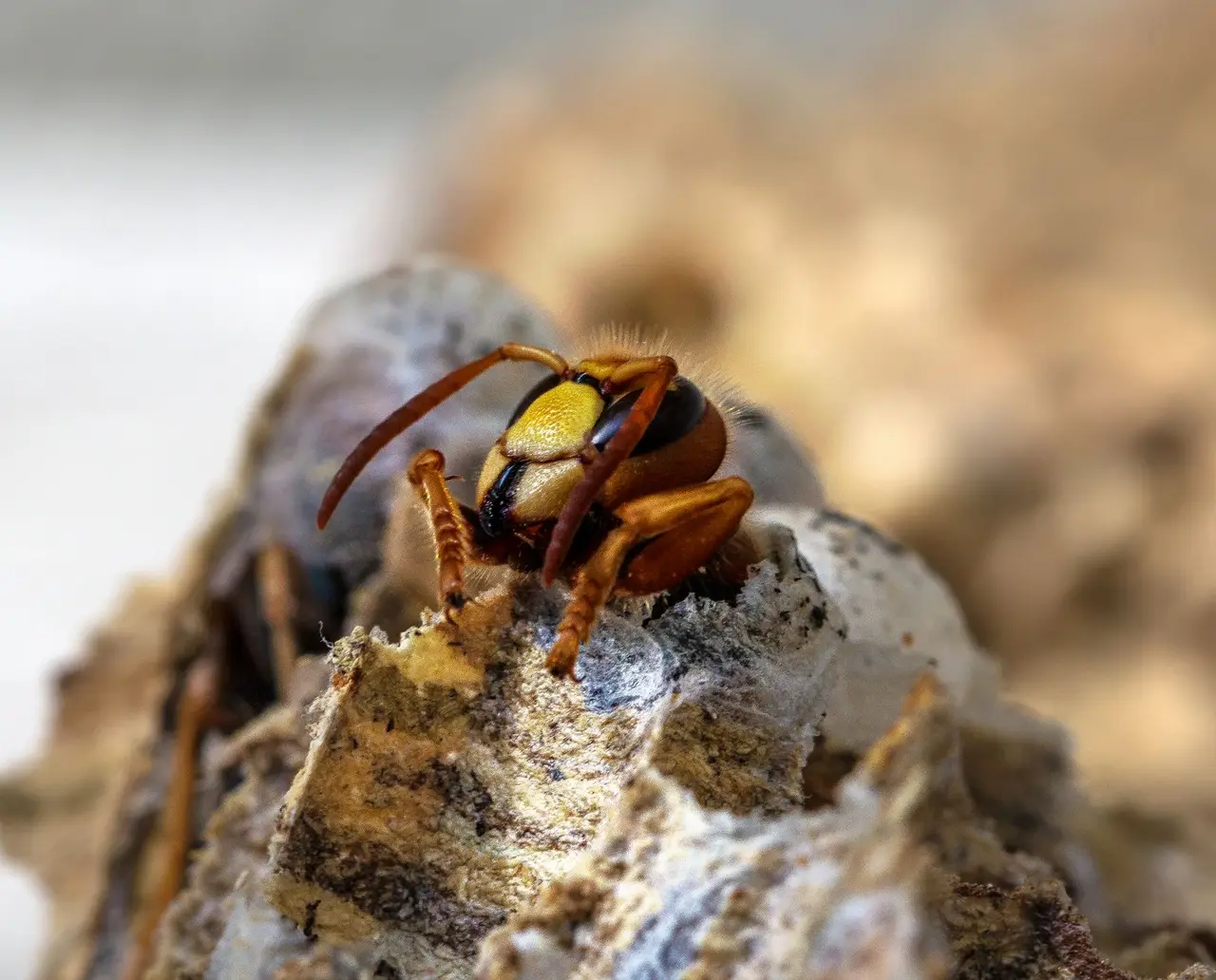
Aardvark Motown Pest Control has served Detroit for 46 years, since 1980. Our technicians focus on the building details that matter for termite work: foundation transitions, damp wood, crawl-space access, and concealed utility openings. We explain what we can confirm during the visit and what needs repair or monitoring. Pesticide work is performed according to product labeling and applicable requirements, with attention to occupant safety and site conditions. You get a practical plan that considers the property rather than an automatic treatment recommendation.

We noticed a thin mud line near the basement steps and called for an inspection. The technician checked the foundation, the porch supports, and a damp corner near an old downspout. He showed us exactly what needed attention and explained the monitoring plan. We moved the firewood away from the wall and fixed the drainage issue the same week.
Our house has an older basement and a newer rear addition, so I wanted someone to check both areas before we finished a renovation. The inspection took about an hour and covered the sill plate, utility openings, and the crawl space. We got practical notes on moisture and a clear recommendation instead of a sales pitch.
We had unexplained wood damage in a ground-floor storage area and needed to know whether termites were involved. The technician checked the affected trim and nearby foundation, then explained what was confirmed and what was not. We corrected a leak and scheduled a follow-up check, which helped us plan repairs without guessing.
A basic inspection often costs $75-$200, while targeted preventive work commonly ranges from $250-$900 in 2026. The total depends on building size, crawl-space access, evidence of activity, and whether treatment is needed. A larger structure or inaccessible foundation takes more inspection time. We explain the price before work begins and separate prevention recommendations from corrective treatment.
The best plan combines moisture correction, visible foundation access, removal of wood-to-soil contact, and monitoring tailored to the building. No single spray replaces those steps. Our inspection checks downspouts, crawl spaces, sill plates, and utility openings, then identifies any need for a labeled treatment. A property with active termite signs needs a corrective plan, not prevention alone.
Keep gutters and downspouts moving water away, fix leaks promptly, and keep firewood and scrap lumber off the foundation. Maintain a visible 6-inch gap between soil or mulch and siding where the structure allows it. Check basement corners and crawl spaces monthly for mud tubes, wings, or damp wood. Call for an inspection if you find evidence or unexplained damage.
A professional treatment can protect for roughly 1 to 5 years, depending on the product, soil conditions, rainfall, and label requirements. Physical corrections such as moving firewood or repairing a leak last only while they are maintained. We set monitoring and inspection timing around the treatment and the property's risk, rather than promising one fixed duration for every home.
Not seeing your question? Our local team can help you understand urgency, scheduling and what to expect.
Ask the local team
Termite inspections focus on wood-damaging insects, while general pest service addresses common household invaders. We can assess a Detroit property for both concerns during a coordinated visit, keeping termite evidence separate from other pest activity and documenting where each issue occurs.
View serviceRodents use foundation gaps and utility openings that are also important to inspect during termite prevention. We identify access points, signs of activity, and conditions that need sealing, then address rodent risks with an appropriate plan for your Detroit home or building.
View service
Mice can enter through small openings around pipes and basement fixtures. Those same penetrations deserve attention during termite prevention because they can expose framing or complicate inspection access. We locate activity, recommend exclusion work, and keep the two service plans clearly defined.
View service
Rat activity near a foundation can point to damaged openings, stored debris, or an accessible crawl space. Our removal work addresses the animal issue, while termite prevention checks nearby wood, moisture, and foundation transitions. Coordinating the inspections helps you address separate risks efficiently.
View service
Call Aardvark Motown Pest Control at (313) 879-5917 to discuss insects, rodents, bed bugs, termites, or wildlife at your property. Our regular phone hours are Monday through Friday, 8:00 a.m. to 6:00 p.m.; leave a message outside those hours and include your Detroit neighborhood and the pest activity you noticed. We will respond during business hours.