Focused arrival windows
Useful updates and clear arrival timing.

Termite Treatment Detroit MI helps homeowners and property managers address mud tubes, discarded wings, hollow-sounding wood, and other signs of an active colony. Our team inspects the affected areas, identifies likely entry routes, and recommends a treatment matched to the structure. If you have noticed fresh damage or swarmers indoors, termite extermination Detroit service can start with a focused inspection and a clear plan to protect the building.
Useful updates and clear arrival timing.
Review the approach and price before deciding.
Equipped vehicles and respectful cleanup.
Neighbors serving neighbors with follow-through.
Our service includes inspection of accessible termite-prone areas, identification of signs, a treatment recommendation, and application of the selected method according to its product label. We explain what you can expect after treatment and how to monitor the property. Structural carpentry, replacement of termite-damaged lumber, and repairs to plumbing or drainage are separate trades; we point out concerns so you can arrange the right repair.
We examine visible foundation edges, basement framing, crawl-space access points, sill plates, and utility penetrations for mud tubes, swarmers, and wood damage. We also note moisture sources and blocked inspection gaps that affect your property's risk.
We select a method based on the evidence and structure, which may include labeled insecticides, bait stations, or localized foam where suitable. Our technician explains the treated areas and relevant product-label precautions before work begins.
We describe where signs appeared, which areas were treated, and any access limitations encountered. That record gives you a useful reference for later checks and helps distinguish new evidence from damage documented during the inspection.
We identify practical changes such as redirecting downspouts, repairing leaks, moving firewood away from the foundation, and maintaining visible inspection gaps. Those steps reduce conducive conditions but do not replace treatment where an active colony is confirmed.
Share what is happening and receive a clear next step from the local team.
Termite Treatment Detroit MI is a structural pest service that locates termite activity and applies targeted measures to reduce colonies and protect vulnerable wood. We inspect foundation edges, sill plates, crawl spaces, basement framing, utility penetrations, and areas where soil or moisture meets wood. Depending on the evidence, treatment may use labeled insecticides, bait stations, or a combination of methods. We explain the findings, mark areas requiring attention, and discuss follow-up monitoring so you know what has been treated and what signs to watch for.
Detroit's older housing stock includes basements, wood framing, additions, and porches where hidden moisture or ground contact can create termite pathways. Snowmelt, leaking downspouts, damp crawl spaces, and firewood stored beside a foundation all deserve attention. Our termite treatment services Detroit MI begin by distinguishing termite evidence from carpenter ants and moisture damage, then focusing work on the verified risk areas. If you are searching for termite treatment near me Detroit MI, we can inspect the structure and explain which conditions need correction.
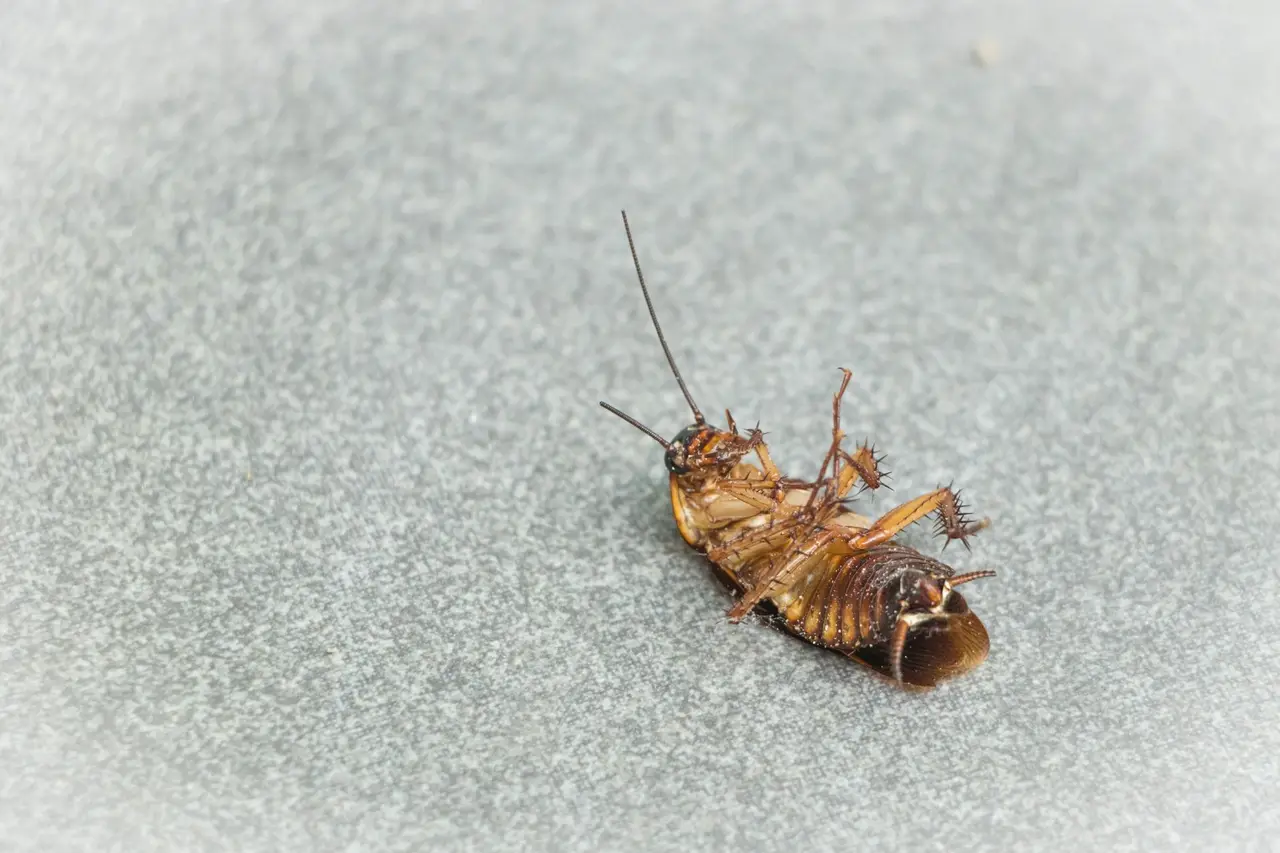
We ask where you saw wings, mud tubes, or damaged wood, then inspect accessible foundation areas, basements, crawl spaces, and nearby moisture sources. A standard inspection often takes 45 to 90 minutes, depending on access and building size. You can point out past repairs or leaks while we map the evidence.
We look for live insects, shelter tubes, frass, and consistent wood damage, while checking whether moisture or another pest explains the signs. Termite detectors and thermal imaging cameras can help locate suspicious areas behind finishes, but findings are confirmed through direct inspection wherever access permits. We show you the evidence and explain its significance.
We match the method to the construction, activity, and access conditions. Options can include a labeled liquid treatment at a verified route, bait stations for ongoing colony monitoring, or localized foam in suitable voids. We review preparation and label precautions with you before applying products, including instructions for children, pets, and treated rooms.
Our technician treats identified locations and records the areas addressed, the method used, and any conditions that could undermine results. A localized application may take two to four hours; a larger or less accessible structure takes longer. We keep the work focused and avoid treating areas without a reason.
Before leaving, we review what was found, what was treated, and what changes to make around the foundation. If bait stations are installed, we explain the inspection schedule and what activity indicators mean. You leave with straightforward monitoring steps and a clear route to arrange a follow-up check if fresh signs appear.

We use termite detectors to help locate suspicious activity in accessible areas where signs are subtle. Readings guide inspection; direct evidence and the building conditions still determine the treatment recommendation.
Thermal imaging cameras can help identify temperature patterns that warrant closer inspection behind some finished surfaces. They do not confirm termites by themselves, so we verify suspected areas using visible evidence and suitable access.
Bait stations provide monitored points near identified termite routes when that method suits the property. We place and check them according to the treatment plan, then explain what activity or changes should prompt follow-up.
We use calibrated insecticide sprayers for appropriate, labeled applications at verified treatment locations. Application follows product directions and site conditions rather than a broad, indiscriminate spray.
Vacuum units help collect visible insects or debris during inspection where appropriate, allowing closer identification and cleaner documentation. They do not replace colony treatment or remove concealed termite activity.
We start with visible signs and construction details, checking foundation edges, accessible wood, and moisture conditions. We distinguish termite activity from other insects or old damage before recommending a method. This keeps treatment tied to the source rather than the room where a symptom happened to appear.
Where the evidence and site allow, we apply a labeled insecticide to the identified route or treatment zone. The technician follows product directions for placement and precautions. We explain what was treated and when treated areas can be used according to the label.
When appropriate, we install bait stations at selected monitoring points around the structure. The stations provide a way to track activity over time and support a planned follow-up schedule. We tell you where they are located and why access should remain clear.
Treatment works best alongside practical changes that make termite access less favorable. We identify issues such as leaking pipes, wood touching soil, or downspouts discharging beside the foundation. You handle repairs with the appropriate trade, then keep those areas open for inspection and monitoring.
We inspect nearby windows, foundation edges, and accessible framing, then identify whether the insects are termite swarmers. If supporting evidence confirms activity, we map its likely route and select a treatment based on the building's access and construction. We also review moisture sources that could sustain a pathway. You learn what the insects were, whether termite activity is present, and which areas need treatment or monitoring before damage goes unnoticed.
We examine the tube, nearby soil contact, and basement wood for active evidence. Our technician documents the affected section, treats the verified route with an appropriate labeled method, and explains how to keep the area visible. We also identify drainage or downspout issues that should be corrected. The property receives a targeted response, and you have specific steps for drying the area and checking the foundation again.
We inspect the trim and adjacent framing, checking accessible spaces for galleries, tubes, and moisture. If termites are confirmed, we outline treatment and monitoring areas; if the damage points elsewhere, we explain that distinction. We flag any visibly weakened wood for assessment by a building professional. You get a documented explanation of the evidence and can coordinate pest treatment and any needed carpentry without confusing the two.
We inspect accessible basement edges, sill plates, and crawl-space openings for signs of current activity, then note conditions that could conceal a route. If treatment is needed, we explain the selected method and any product-label precautions. We also identify areas where stored items should be moved to preserve inspection access. You understand whether the marks appear active and which checks or treatment steps should happen before the basement is fully used.
Termite treatment Detroit is shaped by the building as much as by the insect. Detroit's mix of older brick homes, wood-framed additions, porches, basements, and crawl spaces creates varied inspection access. In November, we pay particular attention to damp basements, leaking service lines, and wood stored against foundations as properties prepare for colder weather. Spring snowmelt and heavy rain can also leave soil and foundation edges wet, while summer humidity can keep crawl spaces damp. Our termite extermination Detroit MI service checks those conditions alongside active signs, then selects a method for the affected structure. We inspect accessible sill plates, utility entries, and foundation transitions; finished walls or inaccessible cavities require a careful explanation of what can be confirmed. Wayne County properties also vary in grade and drainage, so a downspout or porch connection can matter as much as the interior symptom. You receive a focused treatment plan and practical monitoring guidance, not assumptions based only on the age of the home.
Older homes and additions can have concealed framing transitions. We pay close attention to basement edges, porch connections, and places where repairs have covered earlier wood.
Large homes and landscaped foundations can create multiple inspection zones. We check accessible wood near soil and keep mulch or planting beds from obscuring likely termite routes.
Basements, utility entries, and drainage patterns vary block by block. We inspect around service penetrations and downspouts where damp conditions can affect wood near the foundation.
Mixed residential and multi-unit buildings may have shared basements and limited access. We coordinate inspection areas with the property contact and document which structural sections were accessible.
Wet soil near wood can support concealed access routes and complicate inspection. We check drainage, downspout discharge, and visible foundation edges, then explain which water-management repairs will help keep the area drier.
Finishes can limit direct inspection of sill plates or wall cavities. We examine accessible edges and openings, use suitable detection tools as a guide, and clearly separate confirmed evidence from areas that remain concealed.
Wood in contact with soil or repeatedly exposed to moisture is harder to inspect and can provide a vulnerable connection. We identify the contact point, treat confirmed termite activity, and recommend keeping wood separated from soil where practical.
A homeowner found a mud tube running several feet along a basement wall but did not know whether it was active. Stored boxes blocked part of the foundation, and a leaking downspout kept the exterior soil damp. The visible tube was the only clear sign, leaving the extent and likely route uncertain.
We inspected the accessible foundation and wood, confirmed active evidence at the tube, and treated the identified route using a method suited to the site. The homeowner cleared a 2-foot inspection gap and redirected the downspout. We recorded the treated area and explained what new activity would look like.
Maintenance: Keep the foundation edge visible, check it every few months, and maintain the downspout extension. Do not break open treated areas without guidance; call for a follow-up if a fresh tube or swarmers appear.
A Detroit resident found roughly a dozen winged insects on the sill after they gathered near a basement light. No one had checked the nearby framing, and old paint made the window trim difficult to assess. The household was unsure whether the insects were termites or flying ants.
We identified the insects and inspected the window, foundation edge, and accessible sill area. The treatment plan addressed the confirmed activity rather than the light or room alone. We also identified a damp exterior corner and explained the drainage correction needed to reduce the moisture condition.
Maintenance: Keep the window and adjacent foundation accessible for inspection. Note any new wings or mud tubes, and maintain the exterior drainage path so water does not collect beside the wall.
A property owner noticed soft wood near an access hatch but could not see far into the crawl space. Several pipes and stored materials restricted movement, and the source of the damage was not clear. The owner wanted to know whether active termites were weakening the floor framing.
We inspected the reachable framing, documented termite evidence across two accessible sections, and treated the verified route. We also identified a plumbing moisture issue for repair. The owner received a clear map of treated and inaccessible areas, plus instructions for arranging the repair and follow-up inspection.
Maintenance: Repair the moisture source, keep the hatch clear, and avoid storing items against inspection access. Recheck the accessible framing at the recommended follow-up and report fresh tubes or additional soft wood.
Termites can stay concealed while they feed, so visible damage often appears after activity has been underway. We trace the signs, treat the verified route, and explain the building conditions that need attention. If you are deciding how to get rid of termites in your Detroit home, start with a proper identification rather than a household spray.
A tube can provide a protected route between soil and wood. If activity continues unseen, termites may reach framing, trim, or floor supports. We inspect the tube and nearby foundation and wood to determine whether it contains active termites. After documenting the evidence, we select a targeted treatment and explain whether moisture or ground contact is contributing. We also show you where to check for new tubes without disturbing treated areas.
Swarmers indoors can indicate a colony nearby or a route into the structure. Ignoring repeated sightings can delay discovery of concealed damage. We check the window area, foundation, and accessible framing for other signs, then distinguish termite swarmers from flying ants. If termite activity is confirmed, we recommend a method suited to the structure and discuss monitoring. You can save a few insects or take a clear photograph to help with identification.
Damaged wood may lose strength, especially around sill plates, joists, and porch connections. Moisture can also make the area more attractive to termites. We inspect the affected wood and nearby moisture conditions, then identify whether the evidence is consistent with termites. Treatment addresses active pest routes; a qualified building professional should evaluate wood that appears structurally weakened. We point out leaks or drainage problems that need separate repair.
Old galleries can remain after activity ends, while a new colony may follow another route. Treating without confirmation wastes effort and can leave the actual source untouched. We compare the location and condition of the evidence, inspect surrounding accessible areas, and look for live activity or fresh signs. The resulting recommendation is tied to what we find. If no active evidence is present, we explain practical monitoring and prevention steps instead of treating without a reason.
$300 - $1,500 for common residential treatment, depending on inspection findings and scope
Termite treatment services Detroit MI often range from $300 to $1,500 for residential work, with larger or difficult-to-access properties costing more. Typical 2026 pricing in this area depends on the treated perimeter, active colony evidence, foundation type, crawl-space access, and whether monitoring stations are appropriate. We inspect first, explain the method and upfront price, and separate pest treatment from carpentry or drainage repairs. A small, localized treatment costs less than work requiring multiple treatment zones or extended access time.
The price covers a focused diagnosis and treatment plan rather than an indiscriminate application. Identifying the route, treating the evidence, and correcting conducive conditions can help limit avoidable structural damage and unnecessary repeat work.
A longer foundation or multiple additions require more inspection and treatment coverage. A compact structure with one confirmed route is usually less work than a property with activity across several exterior walls and connected porches.
Open basement edges are faster to inspect than narrow crawl spaces, finished walls, or areas blocked by stored belongings. Difficult access can add labor because the technician must safely reach and verify each treatment location.
A single confirmed tube may need a smaller plan than activity found in several framing areas. We assess the evidence and explain whether treatment, monitoring, or additional inspection is needed; structural wood repair is a separate cost.
Localized application, bait-station monitoring, or a combined approach use different materials and follow-up needs. The method depends on the structure and signs, not simply the lowest initial price. We explain the reason for the recommendation before proceeding.
Persistent leaks, wet crawl spaces, or poor drainage can complicate treatment planning and create continuing risk. Correcting plumbing or drainage is separate work, but addressing those conditions helps protect the treated area and may reduce repeat service needs.

Aardvark Motown Pest Control has served Detroit since 1980, bringing 46 years of local pest-control work to homes and buildings across Wayne County. Termite jobs require careful identification, product-label compliance, and attention to how moisture and foundation details affect access. Our technicians inspect before choosing a method, use products according to their labels, and explain the work in plain language. We do not treat termite activity as a generic spraying problem; we look for the route, the conditions supporting it, and the practical next step for your property.

We found a thin mud tube near the basement wall and were worried it had spread behind the finished room. The technician checked the accessible framing, explained what was active, and showed us where moisture was coming from near the downspout. The treatment and follow-up instructions were clear, and we knew exactly which areas to keep visible.
After seeing wings near a basement window, I called for an inspection. The team checked the foundation and sill area instead of just spraying the room. They explained the treatment method, pointed out soil touching the porch trim, and gave me a practical list of changes to make. I appreciated seeing the evidence before any work started.
We needed termite activity assessed in an older building with a tight crawl space. The technician documented the accessible areas, explained where access was limited, and treated the verified route. The notes made it easier to plan moisture repairs and monitor the bait stations. Communication was direct, and the work stayed focused on the termite issue.
Termite treatment in Detroit often costs $300 to $1,500 for common residential work, depending on the structure and method. In 2026, inspection findings, treated perimeter length, crawl-space access, active damage, and bait-station requirements shape the final price. We inspect first and explain the recommended work and upfront price before treatment. Structural repairs are separate from pest treatment, so we identify visible damage and explain when a building contractor should assess it.
The best termite treatment in Detroit MI is the method matched to the confirmed activity, construction, and access. A labeled liquid application can address a verified route, while bait stations support monitoring where appropriate; some properties need a combination. We inspect before recommending a method and consider moisture, soil contact, and the building's foundation. No product choice replaces correcting leaks or other conditions that keep wood damp.
To get rid of termites in your Detroit home, arrange an inspection and avoid disturbing visible mud tubes before the activity is documented. We check the suspected route, identify the termite evidence, and select a targeted treatment. Do not rely on household sprays; they can scatter visible insects without reaching a colony. Keep the area accessible and note where you saw wings or damage so our technician can trace the signs efficiently.
A localized termite treatment in Detroit usually takes two to four hours, while inspection and treatment for a larger structure can take most of a day. Time depends on foundation length, crawl-space access, the amount of active evidence, and whether bait stations are installed. We explain the expected work period after inspecting your property. Follow the product-specific re-entry and ventilation instructions provided for the treatment used.
Not seeing your question? Our local team can help you understand urgency, scheduling and what to expect.
Ask the local team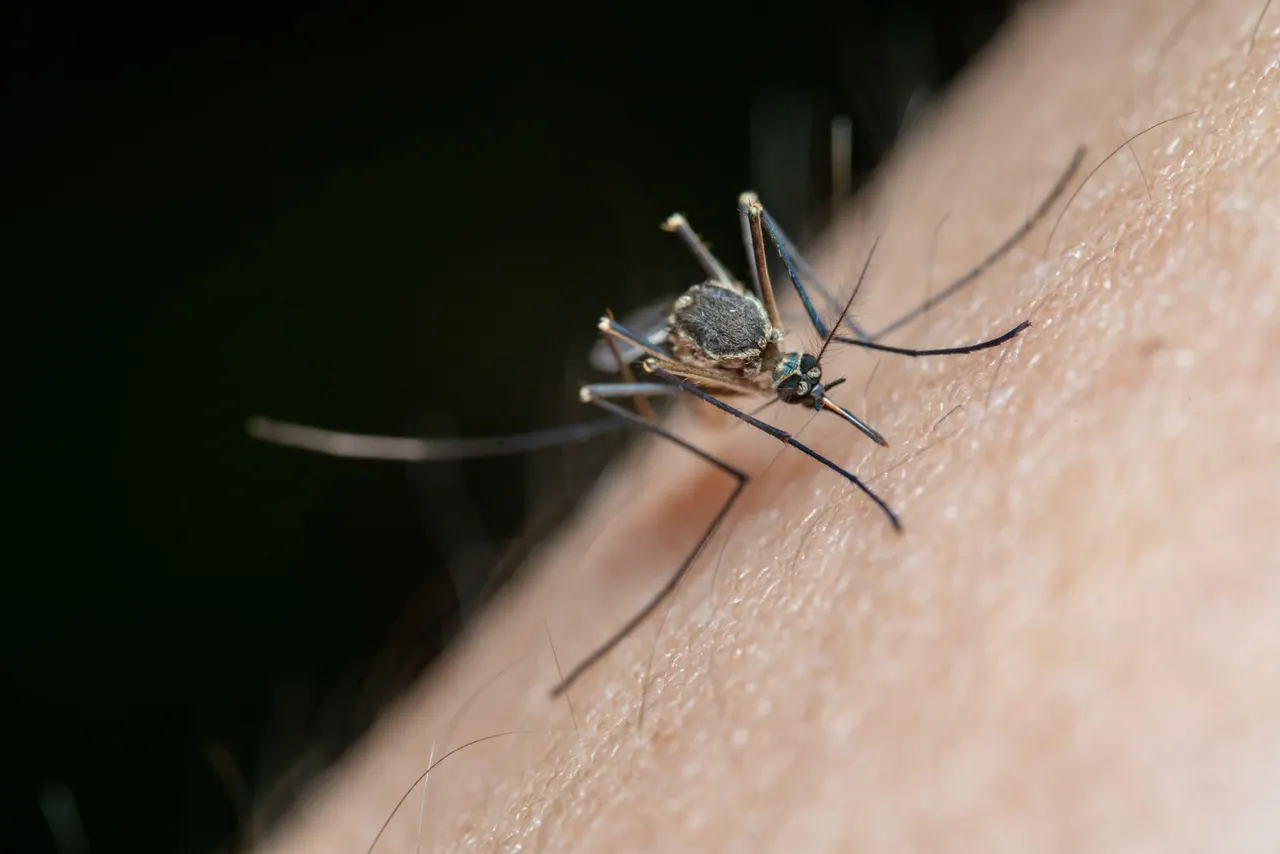
Termite work addresses wood-damaging insects, while general pest visits focus on other pests around your Detroit property. If you also see ants, spiders, or recurring indoor insects, we can inspect those concerns separately and explain how the service plan differs from structural termite treatment.
View service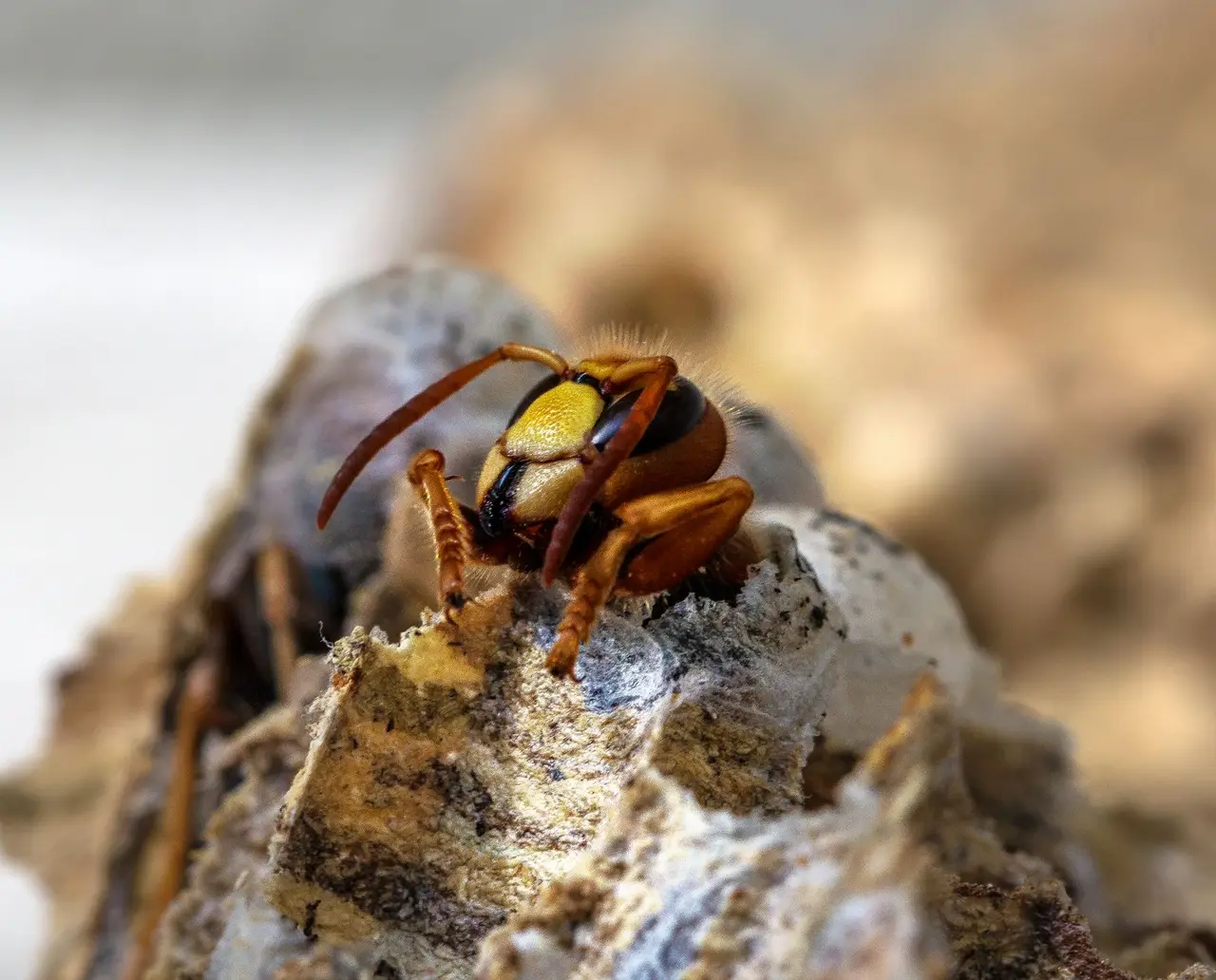
Rodents enter through gaps around foundations, utility lines, and doors, the same areas we inspect for termite access and moisture concerns. Our rodent service identifies entry points and activity, then recommends trapping and exclusion steps that complement termite-related building maintenance.
View service
Mice can use small openings near pipes and basement edges, while termites follow soil and wood routes. If your Detroit inspection reveals both concerns, we can address the mouse activity through targeted trapping and entry-point review while keeping termite treatment focused on the colony evidence.
View service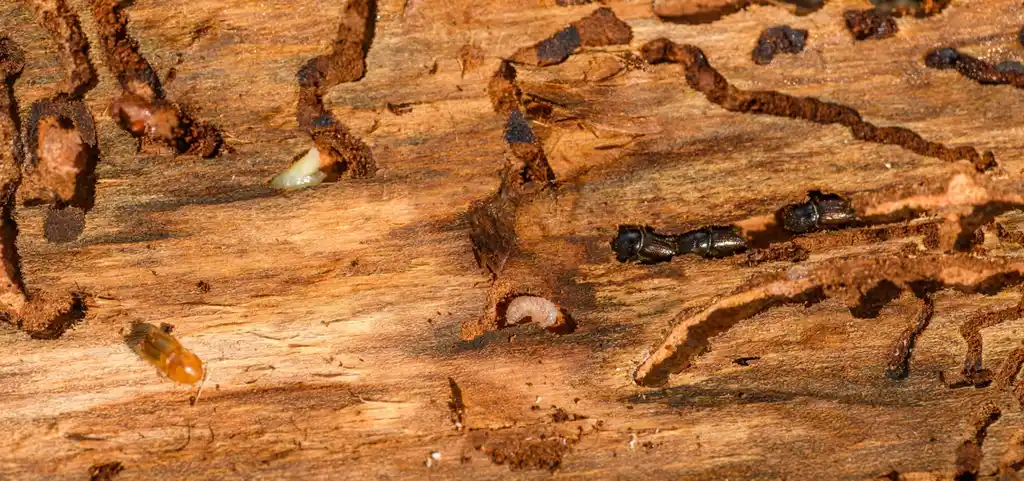
Rats can damage stored goods and contaminate utility areas, but their signs differ from termite galleries and mud tubes. We identify the pest first, then plan removal and exclusion for the rat issue. That prevents a termite treatment visit from overlooking a separate problem in your building.
View service
Call Aardvark Motown Pest Control at (313) 879-5917 to discuss insects, rodents, bed bugs, termites, or wildlife at your property. Our regular phone hours are Monday through Friday, 8:00 a.m. to 6:00 p.m.; leave a message outside those hours and include your Detroit neighborhood and the pest activity you noticed. We will respond during business hours.