Focused arrival windows
Useful updates and clear arrival timing.

Flea Control Detroit MI helps homeowners, renters, and property managers stop bites and interrupt the flea life cycle. Our team inspects pet resting spots, carpets, upholstery, and floor edges, then treats the areas where immature fleas develop. If pets keep scratching or new bites appear after cleaning, our flea control services Detroit MI can address the infestation at its source in your Michigan home.
Useful updates and clear arrival timing.
Review the approach and price before deciding.
Equipped vehicles and respectful cleanup.
Neighbors serving neighbors with follow-through.
Flea Control Detroit MI includes an inspection of reported activity, identification of likely indoor harborages, and targeted treatment of appropriate surfaces. We explain preparation and product-specific reentry directions, then provide practical monitoring guidance. Pet medication, veterinary diagnosis, and extensive laundering are handled separately by you and your veterinarian; our service addresses the indoor environment where fleas develop.
We check the rooms where you have seen fleas or bites, including carpet margins, rugs, pet bedding areas, and suitable upholstered surfaces. Your report about pet routines and recent travel through the home helps us prioritize inspection and determine whether activity is limited to one room or spread across several.
We apply labeled products to identified flea harborages rather than treating every surface in the home. Treatment may include appropriate insecticides or growth regulators, selected according to the site and label. We explain the areas treated and the product-specific drying and reentry instructions.
We tell you what to move, wash, and vacuum before treatment, including pet bedding and objects on floors. Clear access lets us reach carpet edges and floor junctions. We also explain how to manage food bowls and toys so they are out of treatment areas.
After the visit, we provide a monitoring plan that addresses vacuuming, laundering, and expected flea emergence. You learn what activity can occur during the following 1 to 3 weeks and when continued signs warrant a follow-up conversation. Keep pets on veterinarian-directed prevention.
Share what is happening and receive a clear next step from the local team.
Flea Control Detroit MI is a residential pest service that identifies flea activity and treats the indoor areas where eggs, larvae, and pupae develop. We inspect floors, rugs, upholstered furniture, pet bedding, and cracks along baseboards, then select labeled insecticides and growth regulators for the site. A vacuum unit removes debris and helps expose hidden life stages before application. Because adult fleas are only part of the problem, treatment focuses on the full environment, not just the insects visible on a pet.
Detroit homes face flea pressure after pets visit shared yards, wildlife crosses near foundations, or infested belongings enter a building. In older houses and multiunit properties, carpet edges, gaps in wood flooring, and unfinished basement areas create protected hiding places. Our flea extermination Detroit approach begins with the room-by-room conditions you report, then prioritizes pet resting areas and routes between them. For a practical answer to how to get rid of fleas in Detroit MI, combine treatment with laundering, repeated vacuuming, and veterinarian-directed pet care.
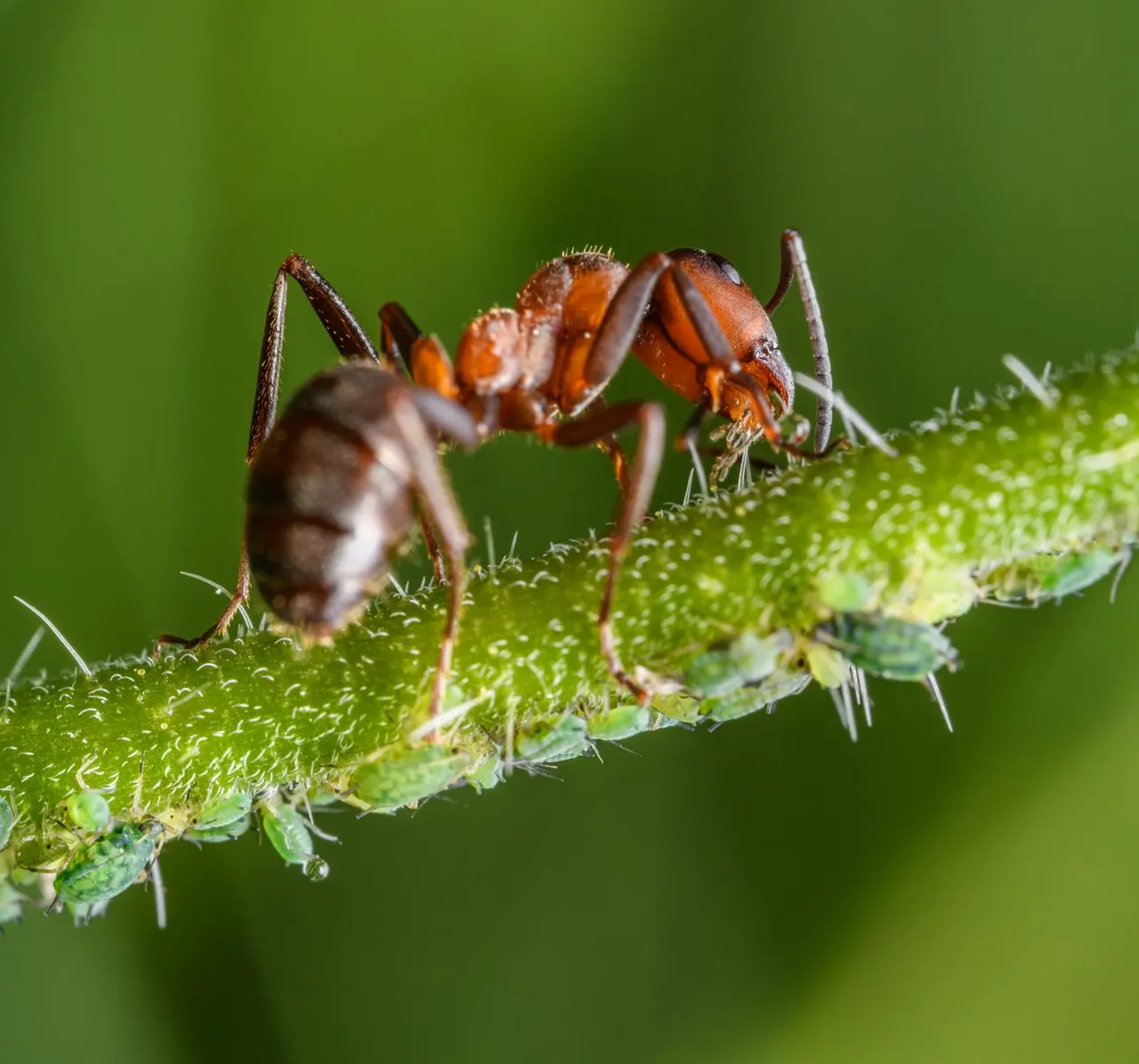
We ask when bites began, which pets use the space, and where they sleep or rest. Then we inspect carpet edges, rugs, upholstered furniture, floor cracks, and basement areas for activity or flea debris. A thorough inspection often takes 20 to 40 minutes in a typical home and helps us distinguish a focused room problem from a broader infestation.
Before application, we confirm that floors and treatment areas are accessible and that pet bedding has been gathered for laundering. We ask you to remove food bowls, toys, and small items from floor surfaces. These steps usually take 15 to 30 minutes when completed ahead of the appointment and let us reach the places fleas use for shelter.
We apply labeled products to identified flea harborages, including carpet margins, floor-wall junctions, and suitable upholstered areas. An insecticide sprayer supports controlled placement; we do not treat every surface indiscriminately. The application portion often takes 30 to 60 minutes, with time adjusted for the number of affected rooms and required label precautions.
After treatment, we explain the product-specific drying and reentry instructions, including when children and pets can return. The interval depends on the label and conditions, so we give you the exact direction for the products used. We also explain ventilation, laundering, and why vacuuming should resume on the schedule recommended for your treatment.
Flea pupae can continue emerging after the initial visit, so a few new fleas during the first 1 to 3 weeks do not automatically mean treatment failed. We set expectations for monitoring and tell you when to contact us if activity remains strong. Continued vacuuming and veterinarian-approved pet protection support the indoor treatment.

We use vacuuming as a preparation and cleanup aid to remove loose debris and flea stages from suitable floor coverings. It also exposes carpet edges and helps you continue the recommended follow-up routine.
A controlled sprayer allows our technicians to apply labeled products to identified flea harborages. We direct application to appropriate areas such as floor-wall junctions and carpet margins, following product directions.
Growth regulators can interrupt flea development when selected for the site and label. We use them as part of an integrated indoor plan, not as a substitute for inspection, cleaning, or pet care.
Glue boards can help monitor insect activity in selected locations after service. They are not a stand-alone flea treatment, but monitoring can help us discuss what you are seeing and whether activity is changing.
Bayer is one of the listed pest-control brands associated with professional products. Our technicians select only products appropriate to the target, use site, and label directions rather than relying on a brand name alone.
We begin with the household's observations, pet routines, and room use, then inspect likely harborages. That sequence helps distinguish a localized issue from activity in several rooms. We use the findings to focus treatment and household preparation instead of applying product across the entire property.
We apply labeled products only to suitable sites identified during inspection, such as carpet borders or floor junctions. The technician follows the product label for application, drying, and reentry. You receive those instructions for the specific treatment rather than a generic timing estimate.
Flea eggs, larvae, and pupae do not respond identically to every treatment, so we combine targeted application with cleaning and monitoring. Growth regulators may support development control where appropriate. Repeated vacuuming helps remove debris and encourages you to check the rooms during the expected emergence period.
Indoor treatment alone cannot protect pets from new fleas. We ask you to coordinate veterinary guidance for the animal with treatment of resting areas and floors. Washing bedding and following the specified reentry interval keeps the household plan aligned with product directions and the needs of people and pets.
We inspect the dog's resting areas, entry route, and nearby carpet or rugs to find likely indoor harborages. We treat suitable surfaces with labeled products and explain how to wash bedding and vacuum after service. Your veterinarian can advise on an appropriate pet prevention product. You get a room-specific plan that addresses indoor development while reducing the chance that the same pet route continues to seed activity.
We examine the chair's surrounding floor, carpet margins, and other places where pets or visitors rest. If the evidence supports flea activity, we treat affected sites and provide preparation and reentry instructions. We also help you identify signs that would point to a different biting pest. The service focuses on the affected room and gives you a clear way to monitor activity without treating unrelated areas.
We inspect the basement carpet, pet bed, stairs, and the route between the basement and living areas. Our technician treats appropriate harborages and explains how to manage laundry and vacuuming over the following weeks. We ask you to keep the cat out until label directions allow reentry. You know which rooms received treatment, how to prepare the space, and what level of follow-up activity to report.
We inspect the affected unit and ask about pets, recent move-ins, common halls, and adjoining activity. Treatment focuses on documented indoor sites, while the property manager receives clear preparation steps to share with the resident. We do not assume every unit needs treatment without evidence. A targeted response helps address the reported unit and gives management a practical basis for deciding whether further inspection is warranted.
Flea Control Detroit MI must account for Detroit's long indoor heating season and the range of local building types. As November brings colder weather, pets spend more time indoors, and fleas already established in carpet or upholstered areas can remain a household problem. In spring and summer, pets and wildlife have more outdoor contact, which can introduce fleas through entryways and shared yards. Our flea control Detroit Michigan inspection considers those seasonal routes alongside the age and layout of your building. Older houses may have wood floors, basement carpet, and gaps at trim; apartment buildings can add shared halls, laundry rooms, and adjoining units. We inspect the rooms you identify and focus treatment on appropriate sites. If you need flea extermination in Detroit Michigan, we also explain how laundering, vacuuming, and veterinarian-directed pet prevention support the work. Service in Wayne County includes Detroit neighborhoods and nearby communities listed in our service area. We follow pesticide product labels and applicable Michigan requirements, including directions for treatment, drying, and reentry. Your technician explains what applies to your home before you resume normal use.
Older homes and finished lower levels can create carpet edges and floor gaps worth checking when pets rest in basements or near entry doors.
Apartments and shared building entries call for a careful room-by-room inspection and clear coordination around affected units and common pathways.
Duplexes and homes with shared yards often have regular pet traffic through the same doors, so we inspect those routes alongside resting areas.
Detached homes with multiple living levels may need attention to pet beds and carpeted rooms on more than one floor.
During Detroit's colder months, pets may spend more time on indoor rugs, beds, and upholstered furniture. Those places become priorities when you report flea activity, even if no one has seen fleas outdoors recently.
Gaps at trim, wood-floor seams, and basement carpet borders can shelter flea stages from routine surface cleaning. We inspect these transitions and focus application on appropriate, accessible harborages.
In duplexes and apartment buildings, pets, visitors, and belongings may move through shared spaces. We ask where activity appears and whether neighboring units have reports, then keep the treatment plan tied to documented conditions.
A homeowner reported fleas around a living-room rug and near a dog's bed. Vacuuming reduced visible debris, but fresh bites continued. The technician found activity along two carpet edges and under the pet bed, while the entry hall had no reported signs.
We treated the appropriate living-room harborages and explained when the dog could return. The homeowner washed two pet blankets and vacuumed the treated room on the recommended schedule. During the next 2 weeks, the family monitored the rug and reported fewer sightings rather than continuing to treat every room.
Maintenance: Keep pet bedding washable, vacuum carpet edges as advised, and maintain veterinarian-directed flea prevention. Report persistent activity after the monitoring period so we can reassess the affected rooms.
A renter noticed bites in the bedroom and found fleas near an upholstered chair. The apartment had carpet in two rooms, but reports and inspection findings centered on the bedroom. Clutter along the wall made access to the carpet edge difficult before preparation.
After the renter cleared floor items and washed bedding, we inspected the chair, carpet border, and nearby resting spots. Targeted treatment covered the documented sites, and the resident followed reentry directions. A 1 to 3 week monitoring plan clarified what activity to expect and when to call back.
Maintenance: Keep floor edges accessible and vacuum according to the service guidance. Wash bedding regularly and avoid moving untreated pet bedding between rooms while monitoring the treated space.
A Southwest Detroit family saw fleas around a basement pet bed after bringing home a cat. The carpeted room connected to a stairway and storage area, and the family was unsure whether the entire lower level required treatment.
We inspected the pet bed, carpet margins, and stair route, then focused treatment on the areas supported by the inspection. The family laundered the bedding and followed product-specific reentry directions. They monitored the basement and stairs over the next 3 weeks instead of applying over-the-counter products throughout the home.
Maintenance: Continue regular vacuuming, keep bedding clean, and follow veterinary advice for the cat. Check the treated room and stair route for changing activity, and contact us if flea sightings remain strong.
Flea bites and repeated sightings often mean immature fleas are developing somewhere your household cannot easily see. Flea Control Detroit MI targets the indoor conditions behind the problem, not just the adult insects you notice. We inspect the affected spaces and give you practical steps that support treatment and limit reinfestation.
Eggs and immature fleas can remain in floor coverings and pet resting areas, so bites continue even after visible adults are removed from an animal. We inspect where your pet sleeps and travels, then treat appropriate indoor harborages with labeled products. We explain how to wash bedding and vacuum on a consistent schedule, while your veterinarian guides pet prevention. Addressing the animal and the home together helps reduce the cycle that keeps producing new bites.
Fleas or eggs can travel in soft furnishings, pet bedding, and belongings, then develop in carpet edges or upholstered areas after arrival. We trace the reported activity through the rooms and belongings associated with the move, then prioritize affected areas. Our technician explains which items to launder and which surfaces need treatment. In a multiunit building, we also ask about shared entries and neighboring activity so the plan reflects the property layout.
Lower-level rooms can offer quiet, protected spots where pets rest and flea stages remain undisturbed between cleaning sessions. We inspect the basement floor edges, rugs, pet bedding, and access routes before treating suitable sites. A vacuum unit can remove debris and expose the areas that need attention. We then provide clear reentry guidance and a follow-up vacuuming schedule to help you monitor the room.
Animals near a foundation or entry can contribute to flea pressure, and untreated access routes can lead to repeated introductions indoors. We inspect indoor signs and ask about wildlife or pet access near the building. Our flea treatment focuses on interior harborages, while any animal-entry concern is assessed as a separate issue. You receive practical guidance on reducing indoor access and identifying whether another service is needed.
$180 - $450 for typical indoor treatment, depending on affected rooms and site conditions
In 2026, a typical Detroit indoor flea treatment ranges from $180 to $450, with final pricing tied to the number of affected rooms, access, and infestation extent. Our flea removal Detroit service begins with inspection so treatment is directed at documented activity. A small, prepared area costs less to address than several carpeted rooms or a multi-level home. We explain upfront pricing before work begins. Household laundering, vacuuming, and pet medication are not treatment charges; coordinate pet products with your veterinarian.
A focused inspection and application help avoid treating unaffected rooms without evidence. You also receive product-specific reentry directions and a practical monitoring plan, so household cleaning and pet care support the treatment rather than working against it.
A single bedroom or living room usually takes less inspection and application time than a multi-room infestation. If activity appears on several floors, we inspect each reported area and include the appropriate treatment locations in the price.
Clear floors and accessible carpet edges let us work efficiently. Heavy furniture, clutter, or items that need to be moved can add labor because technicians must reach the harborages safely and apply products as directed.
A few localized sightings differ from persistent activity across multiple rooms. We consider bite reports, flea sightings, pet routines, and inspection findings to determine the treatment area and whether additional service is appropriate.
Basements, multiple levels, shared entries, and apartment layouts can require more inspection time. In a multiunit property, we focus on documented activity and discuss affected spaces rather than automatically treating every unit.
Some infestations need a later assessment or additional service based on activity and product directions. We explain the expected monitoring period and any recommended next step so you understand what the price covers.
Aardvark Motown Pest Control has served Detroit since 1980, bringing 46 years of local pest-control experience to residential service. Flea work calls for careful inspection and a clear distinction between adult fleas, immature stages, and activity brought in by pets or wildlife. Our technicians explain what they find and select products according to the label, the room, and household needs. We follow applicable pesticide requirements and discuss safe handling before treatment, so you understand the process from preparation through reentry.

Our dog was scratching and we started finding fleas along the living-room rug. The technician checked the pet bed, carpet edges, and the room by the back door, then explained what we needed to wash and vacuum. We followed the instructions and kept the dog out until the treated areas were ready. The visit felt organized, and we knew what to watch for afterward.
I had bites in the bedroom and thought the whole apartment needed treatment. The team inspected the upholstered chair and the carpet border first, then focused the service on the rooms with activity. They also gave me clear steps for laundry and vacuuming. It helped to have someone explain why a few fleas could still appear after the initial visit.
A tenant reported fleas after bringing a recently adopted cat into the unit. We arranged service and received practical preparation instructions that were easy to pass along. The technician checked the living area and bedroom rather than treating every unit in the building. We appreciated the direct explanation of reentry and follow-up monitoring.
A typical Detroit indoor flea treatment costs about $180 to $450, depending on room count, infestation extent, and preparation needs. Larger homes, multiple affected floors, or repeat service can raise the total. We explain the price before work begins, and the 2026 range reflects treatment scope rather than a per-pet charge. Laundering and veterinarian-directed pet prevention are separate household steps.
The best flea control in Detroit MI combines inspection, targeted indoor treatment, and consistent pet protection. We locate flea activity in resting areas and carpet edges, then apply labeled products suited to those surfaces. Vacuuming and laundering help remove eggs and debris, while a veterinarian advises on pet treatment. No single spray replaces addressing the home and the animal together.
To get rid of fleas in your Detroit home, treat the affected rooms and pet resting areas while washing bedding and vacuuming on a planned schedule. We inspect for activity, apply products to appropriate harborages, and explain reentry directions. Flea pupae can emerge for 1 to 3 weeks after treatment, so follow-up monitoring matters. Keep pets on veterinarian-directed prevention to reduce new introductions.
Most flea extermination in Detroit takes about 1 to 3 hours for an indoor visit, depending on the number of rooms and access. Inspection may take 20 to 40 minutes, followed by preparation checks and targeted application. Fleas can continue emerging for 1 to 3 weeks, so the visit duration is not the same as the full monitoring period. We give you product-specific reentry instructions.
Not seeing your question? Our local team can help you understand urgency, scheduling and what to expect.
Ask the local team
General Pest Control helps Detroit households address several common pest pressures around the same property. If flea activity appears alongside ants or spiders, we inspect each issue separately and recommend suitable treatments. This keeps your flea plan focused while giving you a way to address other documented activity.
View service
Rodent Control addresses rats and mice entering through gaps, utility openings, and damaged building materials. Fleas can also arrive through animals or wildlife, so an inspection may reveal overlapping concerns. We identify rodent activity separately and discuss exclusion and control steps that reduce access to your Detroit home.
View service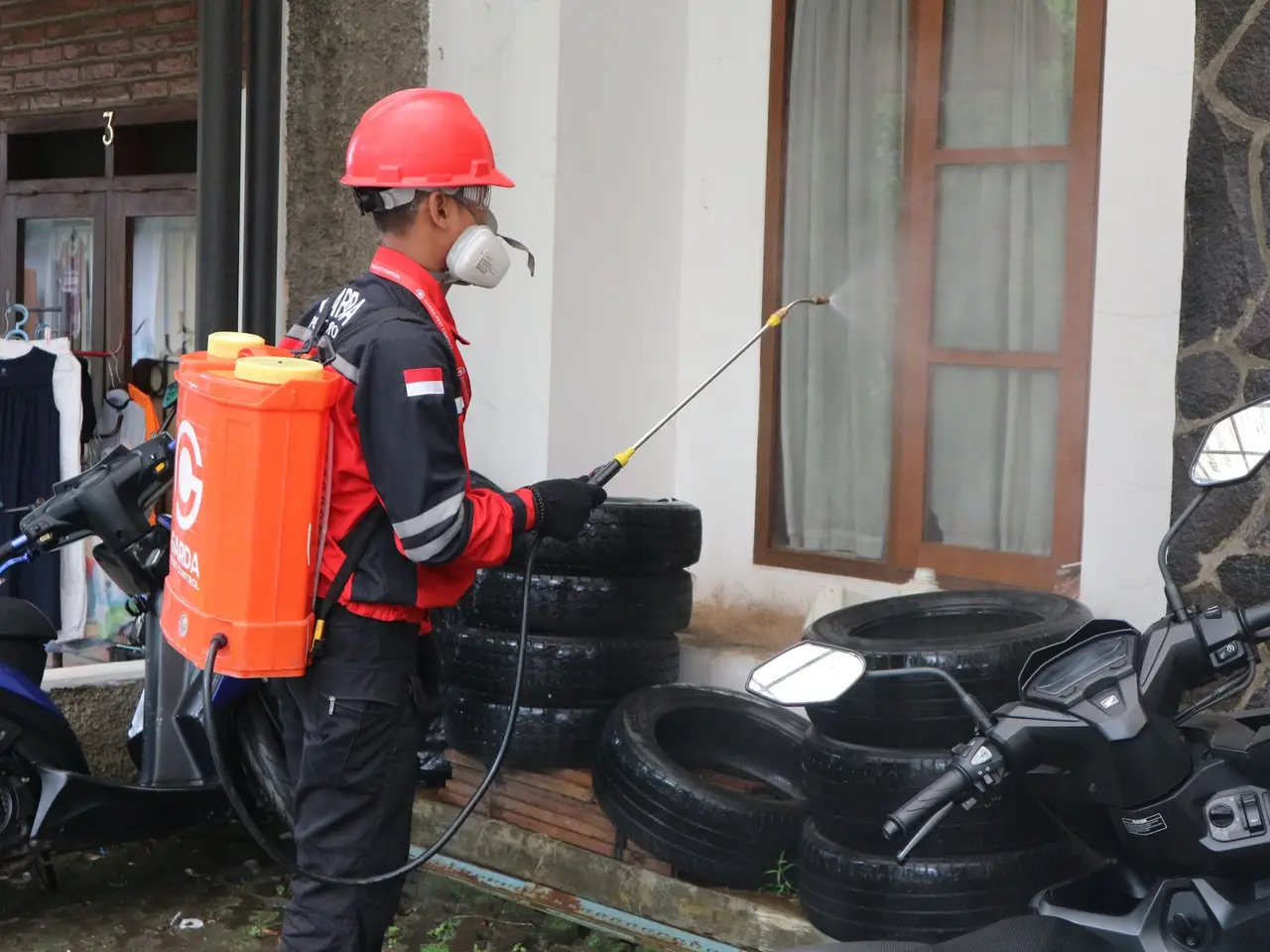
Mice Extermination targets indoor mouse activity, including droppings, nesting material, and entry routes. Fleas and mice require different treatment methods, but both can affect basements, storage spaces, and wall edges. We inspect the reported areas and keep the flea treatment plan distinct from rodent-control work.
View service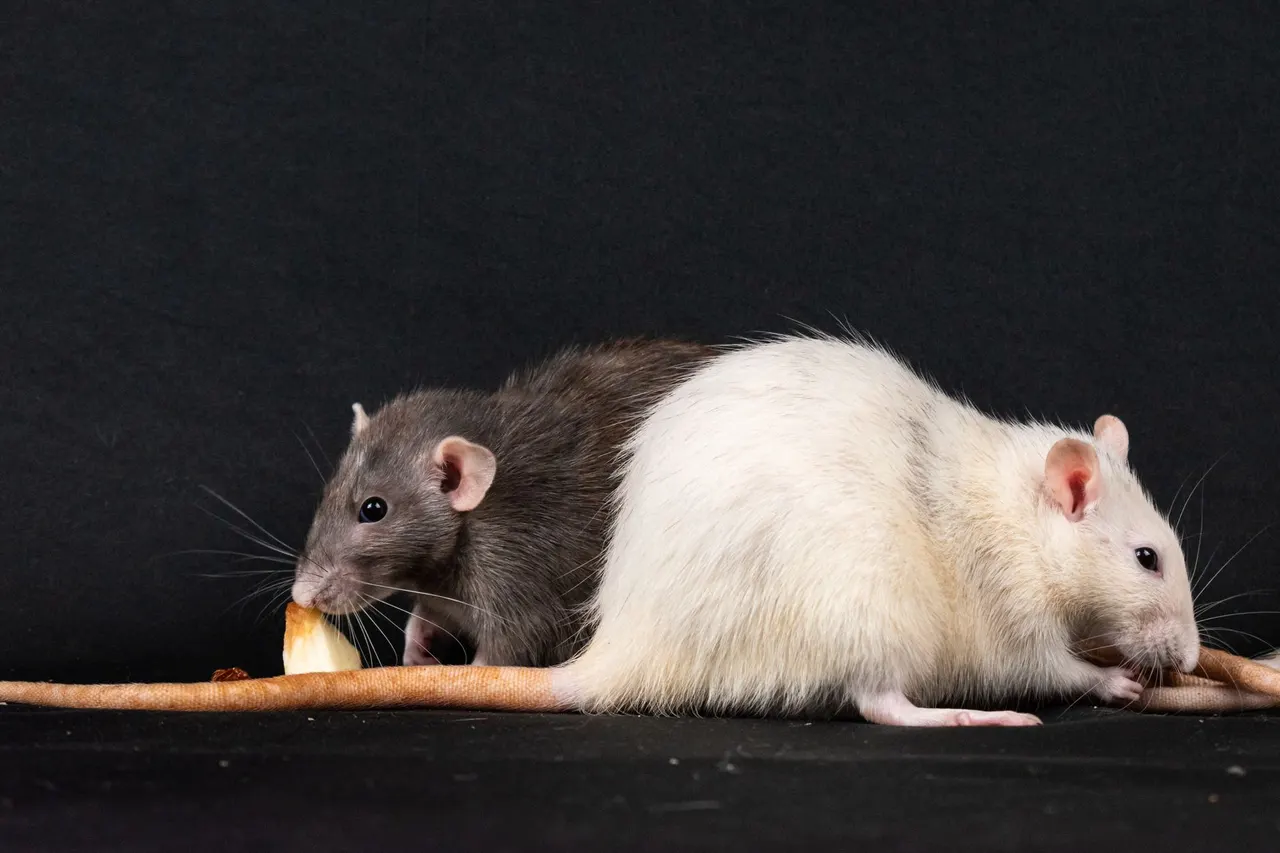
Rat Removal focuses on active rat presence and access points around homes and buildings. If you suspect rats and fleas in the same Detroit property, tell us where you have seen activity. We can assess each problem and explain how rodent activity, pet access, and outdoor conditions relate to the broader pest picture.
View service
Call Aardvark Motown Pest Control at (313) 879-5917 to discuss insects, rodents, bed bugs, termites, or wildlife at your property. Our regular phone hours are Monday through Friday, 8:00 a.m. to 6:00 p.m.; leave a message outside those hours and include your Detroit neighborhood and the pest activity you noticed. We will respond during business hours.