Focused arrival windows
Useful updates and clear arrival timing.

Bed Bug Treatment Detroit MI helps homeowners, renters, landlords, and property managers tackle bites, live insects, and signs of an active infestation. We inspect sleeping areas and adjoining rooms, identify harborages, then match treatment to the building and infestation. Our bed bug extermination Detroit service gives you a clear preparation plan and a measured follow-up, so you know what happens before, during, and after the visit.
Useful updates and clear arrival timing.
Review the approach and price before deciding.
Equipped vehicles and respectful cleanup.
Neighbors serving neighbors with follow-through.
Bed bug treatment includes inspection of reported sleeping areas, identification of evidence, a site-specific treatment plan, preparation and reentry instructions, and a progress check according to the selected method. We explain what rooms and harborages are being addressed before work begins. Heat treatment, extensive multi-unit coordination, or additional rooms beyond the inspected scope are planned according to the property's needs.
We inspect mattress seams, bed frames, headboards, nearby furniture, and accessible cracks for live insects, eggs, cast skins, or spotting. The inspection follows the evidence from the reported room into adjoining areas where signs warrant a closer look.
You receive clear directions for bagging laundry, clearing treatment access, and limiting movement of furniture or belongings. We explain how to handle vacuum contents and which fabrics can be dried on high heat, while keeping care labels in view.
We apply the chosen method to identified harborages and routes, following product-label instructions. Depending on the findings, treatment can include a vacuum unit, appropriate insecticides, dusts, or a coordinated heat approach rather than an indiscriminate room spray.
Before leaving, we explain the applicable room reentry period and any steps needed before you return bedding or belongings. Instructions reflect the treatment method used and help prevent accidental contact or disruption of treated areas.
A follow-up inspection checks for fresh activity and revisits the original evidence locations. We review what you have noticed, check monitors or harborages as appropriate, and adjust the plan if signs remain.
Share what is happening and receive a clear next step from the local team.
Bed Bug Treatment Detroit MI is a targeted pest-management service that identifies and treats bed bug harborages when bites, cast skins, eggs, or live insects indicate an infestation. We inspect mattress seams, bed frames, upholstered furniture, baseboards, and nearby cracks rather than treating a room at random. Treatment may use labeled insecticides, dusts, vacuuming, heat, or a combination chosen for the site. The goal is to reach insects at different life stages and reduce the chance that surviving bugs restart the problem.
Detroit's duplexes, apartments, historic houses, and multi-unit buildings create different routes for bed bugs to travel through furniture, belongings, and shared walls. A new tenant, a used sofa, or luggage after a trip can introduce them; clutter and untreated adjoining rooms can keep an infestation going. Our bed bug treatment services Detroit MI begin with a room-by-room inspection and a practical plan. If you are searching for bed bug treatment near me Detroit MI, tell us where bites or sightings occur and when they started.

Our technician starts with the rooms where you have seen insects or noticed bites, then checks likely hiding places in nearby areas. We examine seams, frames, furniture joints, and baseboard gaps, recording evidence and room conditions. A focused inspection commonly takes 30-60 minutes for one bedroom and its immediate surroundings.
We give you clear tasks based on the inspection: bag washable items, clear access around the bed, and avoid moving untreated furniture into clean rooms. Launder suitable textiles at the hottest safe setting and dry them thoroughly; a dryer cycle of at least 30 minutes on high heat is a useful household step for compatible fabrics.
We treat confirmed harborages and selected routes using methods appropriate to the room, surfaces, and label directions. Depending on findings, that can include a vacuum unit, carefully placed insecticide, or dust in a suitable void. We do not rely on a household fogger; foggers often fail to reach protected cracks where bed bugs hide.
After application, we explain room-specific reentry instructions from the product label and identify which bedding or belongings can return. You receive directions for keeping treated areas accessible and avoiding actions that spread insects. The exact wait time depends on the treatment used, so we give you the applicable instructions before leaving.
We schedule a follow-up inspection based on the treatment plan, commonly within 10-14 days, to look for fresh evidence and verify progress. If activity remains, we revisit the identified harborages and adjust treatment rather than assuming the first visit resolved every stage. Keep notes on sightings and monitor checks between visits.

A vacuum unit can remove accessible insects and debris from seams, furniture joints, and other inspected areas. We handle collected material carefully and do not treat vacuuming as a substitute for harborages treatment.
Placed where appropriate, glue boards can help monitor insect movement near furniture or travel routes. Their findings support inspection and follow-up; they are not a stand-alone way to clear an established infestation.
A sprayer allows controlled application of a labeled product to suitable surfaces and harborages. We follow the product directions for placement, amount, occupant precautions, and reentry rather than spraying bedding indiscriminately.
Products from BASF or Bayer may be considered when appropriate for the site and labeled use. The brand does not determine the plan; inspection findings, surface type, product directions, and resistance-management considerations guide selection.
Monitors can help assess activity around beds and other locations between visits. We use findings alongside visual inspection and customer observations, then explain what a capture or an empty monitor does and does not establish.
We start at the reported activity and inspect the mattress, frame, headboard, nearby furniture, and accessible cracks. We note physical signs and the location of each finding before choosing treatment. This reduces guesswork and helps us distinguish bed bugs from fleas or other insects.
We combine suitable physical and chemical measures based on inspection, which may include vacuuming, carefully placed insecticides, or dusts in appropriate voids. Product labels govern application and reentry. We avoid relying on a fogger because airborne product may not reach insects protected in tight harborages.
Where heat is selected, we manage the treatment area so heat reaches the required locations and address heat-sensitive belongings before work. For compatible household textiles, laundering and a high-heat dryer cycle can support preparation. We explain which items can be handled this way and which need another method.
We use a planned reinspection, often within 10-14 days, to look for new evidence and determine whether another step is needed. Monitors and visual checks provide useful information, but the absence of one capture is not proof by itself. We compare follow-up findings with the original room map.
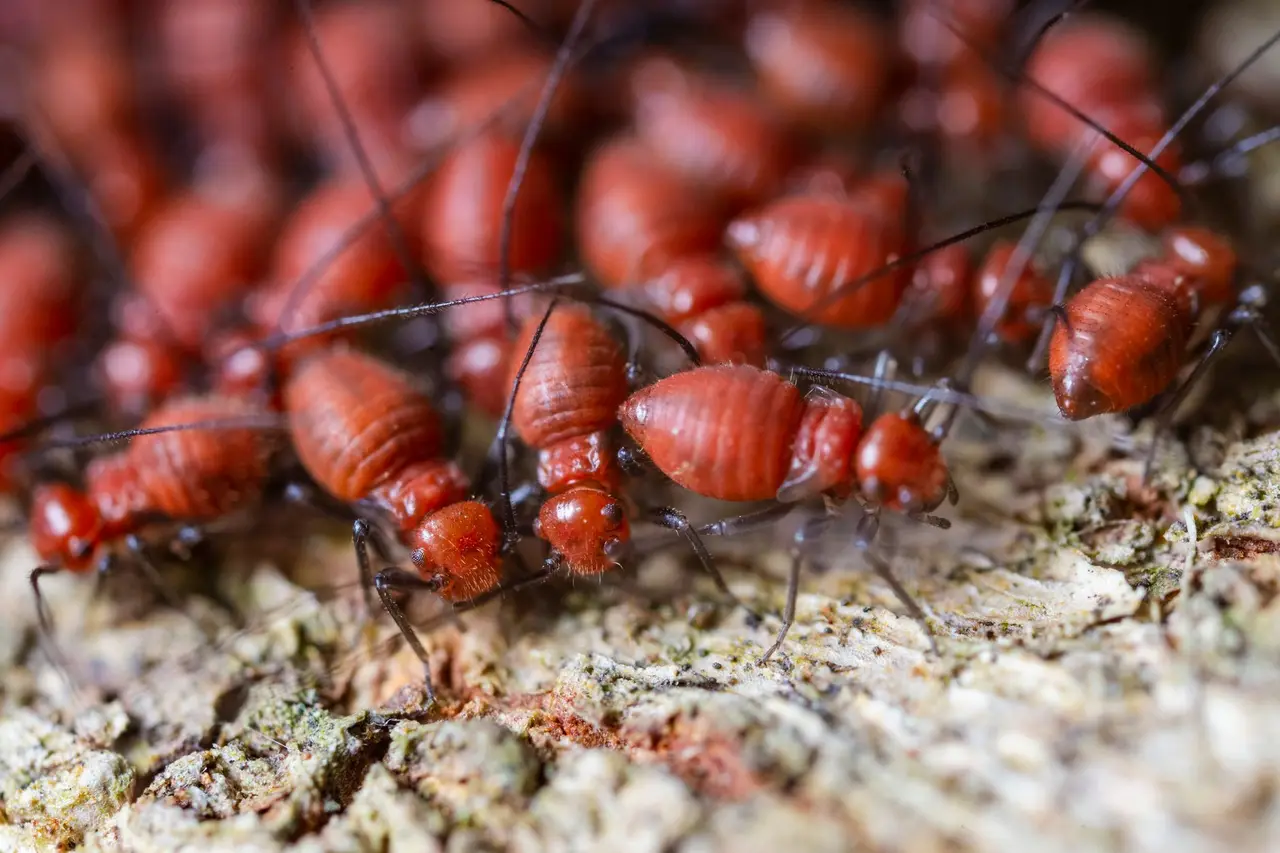
Keep luggage and clothing contained rather than placing them on beds or upholstered furniture. Call us to inspect the sleeping area, luggage location, and nearby furniture. We identify the insect, check for additional signs, and recommend treatment based on what is present. You get a prompt identification and a defined plan for the affected room, with less risk of carrying insects into other spaces.
Avoid moving the sofa through additional rooms. We inspect seams, cushions, frame joints, and nearby resting areas, then check whether the evidence is consistent with bed bugs. If treatment is needed, we explain how to isolate the furniture and prepare surrounding areas. The source is assessed before belongings are discarded or spread around the home, and treatment focuses on verified harborages.
We inspect the reported unit and discuss access to adjacent areas with the property contact when evidence supports it. Residents receive practical preparation instructions, and the inspection records where signs were found. We plan treatment around occupancy and required room access. The landlord and tenant have clear next steps, and any additional inspection is guided by evidence instead of assumption.
Tell us the date and location of the latest sighting and avoid applying more products before inspection. We revisit likely harborages, review monitor findings, and compare them with the original inspection. If activity remains, we adjust the treatment plan and set another progress check. You receive a fact-based status check and a targeted adjustment rather than repeating the same application without verification.
Detroit's housing includes older homes with detailed trim, duplexes, apartment buildings, and renovated spaces with different access points and room layouts. Gaps around baseboards, bed frames, and older woodwork can create inspection challenges, while shared walls make communication important when a building has multiple units. Winter heating keeps indoor spaces occupied and warm; seasonal travel and furniture turnover can introduce insects at any time. Our bed bug control Detroit MI service starts by identifying the affected rooms, then matches treatment to the structure and household. For bed bug removal Detroit MI 24/7 searches, call to discuss the report and the next available inspection; we do not promise a specific arrival time. We follow applicable product labels and Michigan requirements, explain occupant precautions, and coordinate with property contacts when access to adjoining spaces matters. In Wayne County, a clear record of sightings, room access, and preparation helps keep treatment focused and follow-up useful.
High-rise and multi-unit layouts can require coordination around elevators, shared corridors, and access to the reported apartment. We focus inspection on the unit and nearby evidence.
Older homes and renovated buildings can have varied trim, furniture, and room layouts. Careful inspection around bed frames and baseboards helps find accessible harborages.
Apartment turnover and shared building spaces make clear resident preparation useful. We document the affected room and discuss adjacent inspection where signs support it.
Duplexes and multi-generational households may have several sleeping areas in use. We identify which rooms show evidence and provide practical directions for each.
Small gaps around baseboards, headboards, and bed frames can shelter insects from casual cleaning. We inspect these areas closely and select an application method suited to the surface and access.
One confirmed unit does not prove every neighboring unit is infested, but adjacent areas may need assessment when evidence supports a connection. We coordinate inspection access with residents or property contacts.
Bed bugs can remain active indoors through Detroit's cold season because heated rooms provide shelter. We give preparation and reentry instructions that fit occupied homes, rather than relying on outdoor temperatures to resolve an infestation.
A Detroit homeowner noticed new bites several mornings in a row but found no insect on the sheets. The bed, upholstered chair, and nightstand had not been checked closely, leaving the family unsure whether the cause was bed bugs, fleas, or something else.
Inspection located bed bug evidence along the bed-frame joint and mattress seam, with no signs in the next room. We treated the identified areas and explained the preparation and reentry steps. A follow-up within 10-14 days checked the original harborages and recorded whether fresh activity remained.
Maintenance: Keep bedding from touching the floor, avoid bringing untreated secondhand furniture into the room, and report any new evidence with its location. Use monitors as directed and keep the follow-up appointment so the result is assessed rather than guessed.
A tenant in a Midtown building reported a live insect near the bed. The property manager worried that belongings would be moved into the hallway or another unit before anyone confirmed the pest, potentially spreading the issue and creating confusion for neighbors.
We identified bed bug evidence in the reported bedroom and checked nearby furniture. The tenant received clear instructions not to move the bed or loose belongings, while the property contact coordinated access for inspection. The treatment plan focused on the affected room, with follow-up set for 10-14 days.
Maintenance: Keep affected items contained, communicate new sightings to the property contact, and avoid placing discarded furniture in shared areas. If inspection evidence points beyond the original unit, coordinate access before moving belongings or scheduling additional treatment.
A Southwest Detroit resident had applied a household fogger and spray several times but continued to see insects near a headboard. The products had not reached protected joints, and the resident was unsure how long to keep the room empty or what to clean.
We inspected the headboard, frame, and nearby baseboard, then treated confirmed harborages with a targeted method following label directions. The resident received specific reentry instructions and a follow-up inspection plan. The next check focused on the same locations instead of repeating broad room treatment without evidence.
Maintenance: Do not add unapproved products between visits, and keep the treated areas accessible for inspection. Follow the product-specific reentry guidance, track sightings by room and date, and report fresh activity so the plan can be adjusted.
Bites alone do not confirm bed bugs, and a missed hiding place can keep a confirmed infestation active. We inspect for physical evidence, identify the rooms involved, and target the source. That gives you a practical answer to how to get rid of bed bugs in your Detroit home without moving the problem from one room to another.
Bed bugs hide in narrow seams and cracks, so activity may continue unnoticed while uncertainty delays inspection and treatment. We inspect the bed, frame, headboard, and furniture close to where you sleep, looking for live insects, eggs, cast skins, or spotting. We record the evidence and explain whether it supports bed bug treatment or points toward another pest. You leave with specific next steps rather than relying on bites alone.
Moving an untreated bed, chair, or bag can carry insects into a clean room and expand the area requiring inspection. We map where the items came from and where they were placed, then inspect both locations and the belongings involved. Our technician explains what to keep contained and which items need treatment. A room-by-room plan prevents further unnecessary movement while we address confirmed harborages.
In a multi-unit building, delayed communication can leave residents unsure what to prepare and may allow activity to persist across connected spaces. We inspect the reported unit, document the evidence, and advise the property contact about any adjacent areas that warrant assessment. Residents receive clear preparation and reentry instructions. Coordinated access helps the property respond to verified signs without assuming every unit has an infestation.
Unlabeled or poorly placed products can expose occupants and belongings while missing bugs protected deep in joints and cracks. We review where products were used, identify accessible harborages, and select a treatment based on the site and product-label directions. We also explain why foggers are not a substitute for targeted work. You get a safer, more deliberate plan and a follow-up method for checking progress.
$180-$1,200 for residential treatment, depending on scope
Typical 2026 pricing in Detroit ranges from $180 to $1,200 for residential bed bug work, with the final amount driven by room count, infestation extent, access, and method. A single bedroom with clear access is less involved than multiple rooms or coordinated apartment work. Our bed bug treatment Detroit Michigan service starts with an inspection so the recommended work matches the evidence. We explain pricing before treatment begins, including whether follow-up is part of the plan.
The price covers more than a quick application: inspection, targeted work, preparation guidance, and progress checking are what make the treatment plan useful. You pay for the rooms and methods supported by the findings, with upfront pricing before service begins.
One affected bedroom usually takes less labor and product than a bedroom plus living room or several adjoining spaces. The inspection determines whether additional rooms show evidence or need checking, so treatment is not expanded without a reason.
A small, recently identified problem may involve fewer harborages than activity found across multiple beds, upholstered furniture, or rooms. More extensive evidence requires additional inspection and treatment time, which increases the total job cost.
Clutter, heavy furniture, tightly packed belongings, or restricted building access can slow inspection and preparation. Clear access around the bed and furniture allows our technician to reach seams, joints, and baseboards more efficiently.
A targeted application, heat treatment, or combined approach has different equipment, labor, preparation, and monitoring requirements. We choose based on inspection findings and site conditions, not on a one-size-fits-all package.
Inspecting or treating multiple apartments requires access planning and communication with residents or property staff. The number of units and the evidence in each determine the scope and price; an affected unit does not automatically mean every unit needs treatment.
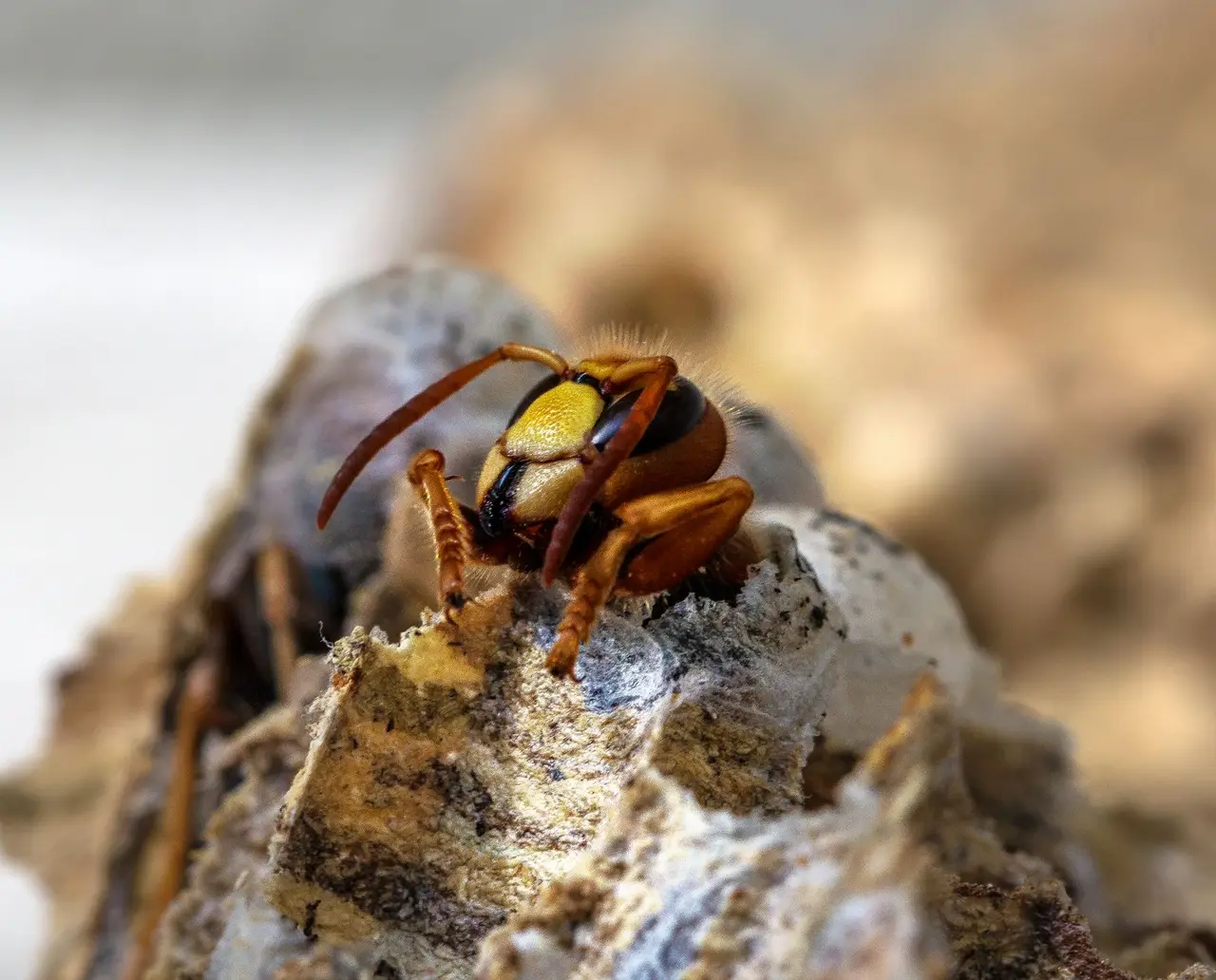
Aardvark Motown Pest Control was founded in 1980 and has served customers for 46 years. Bed bug work calls for disciplined inspection, accurate identification, and careful use of products according to their labels. Our technicians explain what evidence supports treatment, distinguish bed bugs from other household pests, and tailor the plan to a bedroom, apartment, or multi-unit property. We use established pest-management practices and prioritize occupant instructions, access, and follow-up over indiscriminate application.
We found a bug along the mattress seam and were worried it had spread through the house. The technician checked the bed frame, nightstand, and chair, then explained what to bag and what could stay. The visit took a few hours, and the follow-up check gave us a clear update. The instructions were specific and easy to follow.
I had bites but could not find the source, so I called for an inspection. They checked the bed and nearby furniture instead of treating the whole apartment blindly. I got a short preparation list and clear reentry directions. We tracked the room afterward and knew what signs to report rather than guessing.
A resident reported possible bed bugs, and we needed a plan that would not spread the issue to other units. The technician inspected the reported bedroom and discussed how to handle laundry and furniture movement. We coordinated access for follow-up and received practical notes for residents. The process helped us respond without creating confusion.
A Detroit bed bug treatment commonly ranges from $180 to $1,200, depending on rooms, infestation extent, access, and treatment method. A single bedroom with clear access costs less than several rooms or a multi-unit response. We inspect first and explain the price before work begins. Typical 2026 pricing in this area reflects both the treatment visit and the follow-up plan, where included.
The best treatment is the one matched to confirmed harborages, room conditions, and infestation extent; there is no single method for every Detroit home. We inspect first, then choose targeted heat, labeled insecticide, dust, vacuuming, or a combination. Heat work requires reaching a lethal temperature throughout treated materials, while chemical work depends on careful placement and label directions. Follow-up checks help verify the result.
To get rid of bed bugs in your Detroit home, avoid moving furniture between rooms, bag washable items, and arrange an inspection before applying products. A dryer cycle of 30 minutes on high heat can treat compatible fabrics; follow garment care labels. Our technician identifies hiding places, treats according to the findings, and gives you room-specific instructions. Do not use foggers as a substitute for targeted treatment.
A bedroom-focused Detroit visit often takes 2-4 hours, and follow-up commonly occurs within 10-14 days. Larger homes, cluttered rooms, or multiple affected units take longer to inspect and treat. Heat treatment duration depends on room volume and whether target temperatures are reached throughout the treated area. We explain the expected visit length and reentry instructions for your selected method.
Not seeing your question? Our local team can help you understand urgency, scheduling and what to expect.
Ask the local team
General service addresses common crawling insects around your Detroit property, while bed bug work requires a separate, detailed inspection of sleeping areas and furniture. If you are seeing ants or spiders as well as bed bug signs, we can identify each pest and plan the correct treatment rather than using one approach for every problem.
View service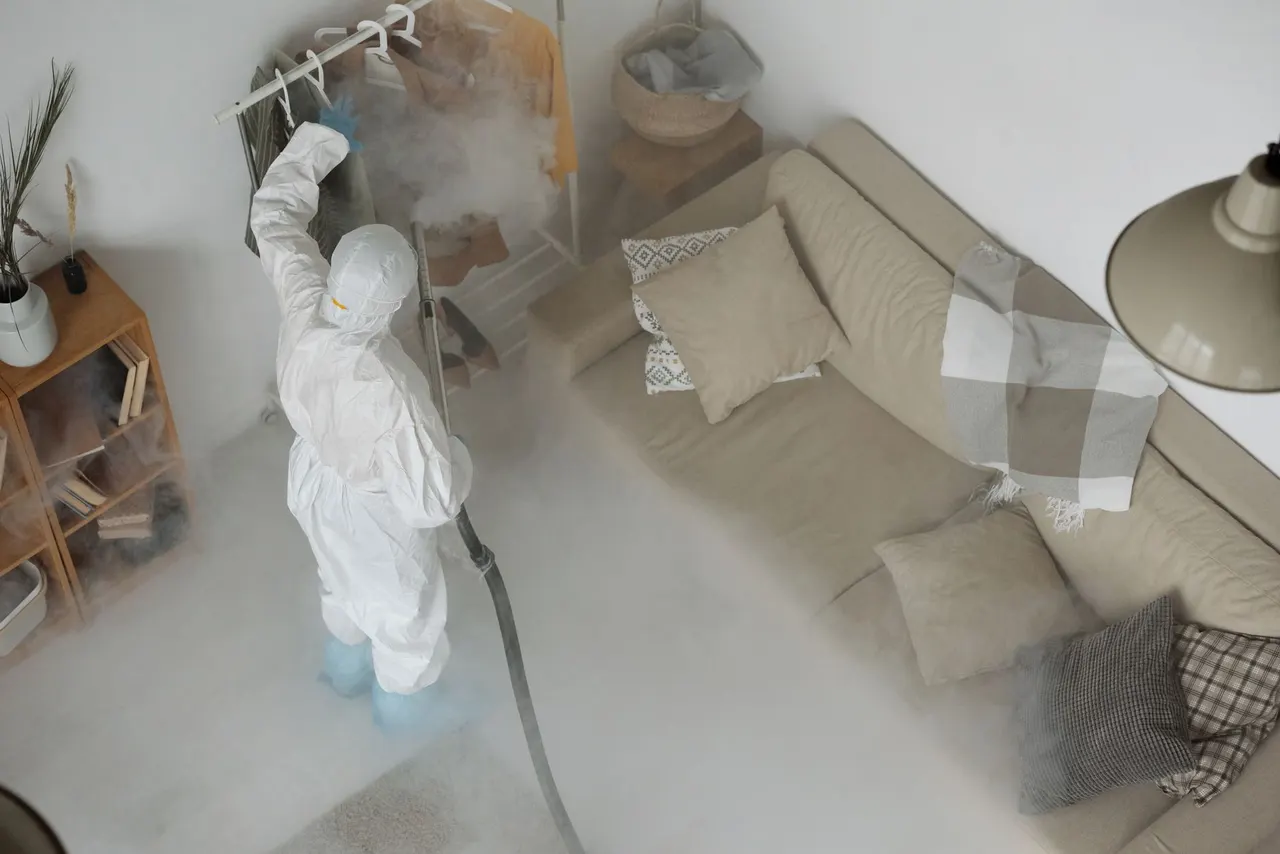
Rodents and bed bugs require different inspection points, tools, and treatment plans. If you find droppings, gnaw marks, or scratching in addition to bites, we can assess both concerns at your Detroit home. Rodent control may use bait stations or traps, while bed bug treatment focuses on beds, upholstery, and room harborages.
View service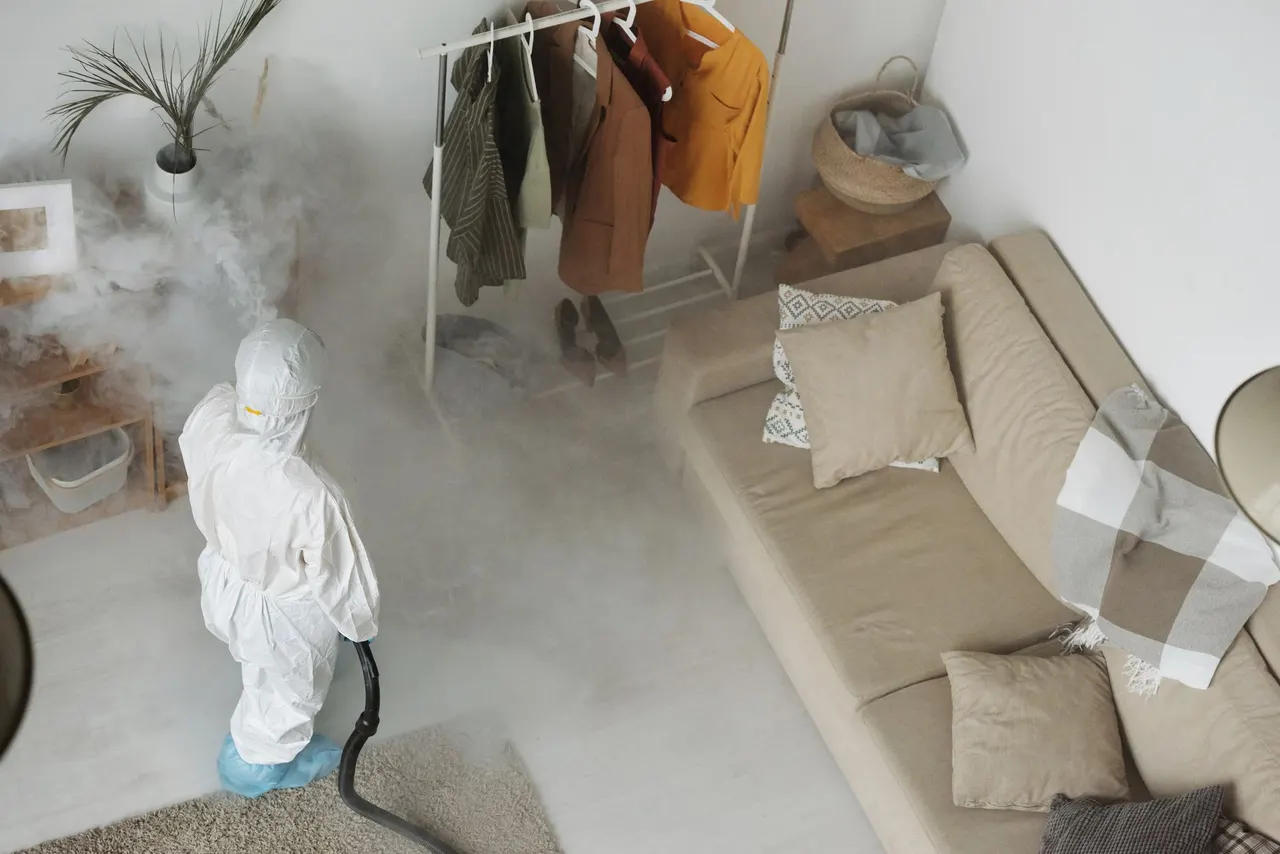
Mice often enter through small gaps near pipes, doors, or foundations; bed bugs usually arrive with belongings or furnishings and hide near sleeping areas. We inspect for each pest separately, then recommend appropriate steps. Treating mice does not resolve a bed bug infestation, but a combined visit can clarify both issues.
View service
Rat activity calls for checking access points, food sources, and signs of nesting, unlike bed bug work, which concentrates on furniture and cracks near sleeping areas. Detroit property owners who notice both problems can have each assessed. We select traps or other controls for rodents and a distinct treatment plan for bed bugs.
View service
Call Aardvark Motown Pest Control at (313) 879-5917 to discuss insects, rodents, bed bugs, termites, or wildlife at your property. Our regular phone hours are Monday through Friday, 8:00 a.m. to 6:00 p.m.; leave a message outside those hours and include your Detroit neighborhood and the pest activity you noticed. We will respond during business hours.