Focused arrival windows
Useful updates and clear arrival timing.
Squirrel Removal Detroit MI helps homeowners and property managers dealing with attic noise, chewed wiring, nesting material, or squirrels entering through the roofline. We inspect the entry route, remove wildlife using appropriate methods, and identify repairs that prevent another entry. If scratching starts before sunrise or insulation is being disturbed, contact Aardvark Motown Pest Control at (313) 879-5917.
Useful updates and clear arrival timing.
Review the approach and price before deciding.
Equipped vehicles and respectful cleanup.
Neighbors serving neighbors with follow-through.
Squirrel removal includes inspection, identification of active access points, a suitable removal plan, and guidance on exclusion at the affected structure. We explain visible damage and next steps so you know what the work addresses. Structural rebuilding, extensive insulation replacement, and electrical repairs require separate trade work when needed; we identify those concerns rather than presenting them as wildlife removal.
We check accessible roof edges, fascia, soffits, vents, and attic areas for signs of entry and activity. The inspection connects indoor noise or nesting with exterior openings, helping focus removal on the route squirrels actually use.
We look for droppings, gnawing, nesting material, and current movement to distinguish squirrels from other wildlife. We also consider whether young may be present before choosing when to exclude an opening.
We explain the method suited to the property and activity, including whether a live trap or one-way exclusion approach fits the conditions. The plan is specific to the access route and avoids treating wildlife as an insect problem.
After removal, we identify openings that need screening or sealing and explain the order of work. Appropriate exclusion screens and sealants can reduce re-entry risk once the animal is confirmed out.
We point out visible damage to insulation, fascia, or other accessible areas and explain what warrants a separate repair. You receive practical guidance on the signs to monitor after the entry point is addressed.
Share what is happening and receive a clear next step from the local team.
Squirrel Removal Detroit MI is wildlife removal that identifies and removes squirrels from buildings and addresses the openings they use to enter. We inspect roof edges, soffits, vents, chimneys, and attic spaces for activity, nesting material, droppings, and damage. After identifying the access point, we choose a suitable removal approach and explain exclusion work, such as installing a durable screen or sealing a gap after confirming animals are out. The goal is to stop active intrusion while protecting the structure and avoiding a repeat entry.
Detroit's older homes, mature trees, and changing weather create plenty of routes from branches to roofs. Scratching in a ceiling, gnawed fascia, or insulation pulled into a nest are practical signs to investigate, not noises to ignore. Our squirrel control Detroit service focuses on the animal and the access route together. If you are searching for how to get rid of squirrels in Detroit MI, start with an inspection rather than blocking a hole that could trap an animal or dependent young inside.

We ask when you hear activity, where it is loudest, and whether you have seen squirrels entering or leaving. At the property, we inspect accessible roof edges, vents, soffits, and attic areas for signs of use. Allow about 30 to 60 minutes for a straightforward inspection; larger or difficult-to-access buildings can take longer.
Our technician traces likely routes using visible damage, droppings, nesting, and exterior openings. We check whether activity is current and look for signs that young animals could be present. This matters because closing a hole too soon can trap wildlife in the structure. You will hear which locations need removal, exclusion, or repair.
We select a removal approach suited to the site and observed activity, then explain the plan before work begins. The method may involve a live trap or a one-way exclusion approach where conditions allow. We do not use insecticides, rodenticides, or foggers as a substitute for wildlife removal; those products do not resolve an attic entry problem.
We carry out the agreed removal work and address suitable openings with exclusion screens or other appropriate materials. A simple accessible job may take a few hours, while monitoring or repairs can require a return visit. We keep the work focused on the squirrel route and take care not to block an active exit prematurely.
After removal and exclusion, we check the treated area for continued activity and review visible repair points with you. We explain what to listen for and when to report renewed sounds. If the attic has damaged insulation or wiring, we identify those concerns so you can arrange the right follow-up without confusing repairs with animal removal.
Where conditions and the removal plan allow, we use live traps to capture a squirrel at a carefully selected location. Placement follows inspection of animal activity and access, not a guess based on attic noise alone.
We use exclusion screens at appropriate vents and openings after confirming the animal is out. The screen must suit the opening and allow the building feature to function as intended.
When appropriate for a difficult inspection, thermal imaging cameras can help identify temperature differences around concealed spaces. They support-not replace-physical inspection and confirmation of the animal's route.
Suitable sealants can close small gaps after removal, while larger or damaged openings may require a different repair. We match the material to the location rather than filling an active route indiscriminately.
We first connect attic signs with exterior access, then confirm whether the animal is still using the route. Removal comes before final closure. This sequence reduces the risk of sealing wildlife inside and makes the repair address the actual opening rather than a nearby symptom.
We select a removal method based on the building, activity, and animal location. Live traps or a suitable one-way exclusion approach may be considered where conditions allow. Insecticide sprayers, foggers, and rodenticides are not substitutes for resolving a squirrel's entry and nesting.
After removal, we review the roofline, soffits, vents, and fascia for gaps that can be screened or sealed. We explain the materials and the sequence needed for safe closure. If the opening requires carpentry or roofing work, we identify that separately from animal removal.
We inspect the attic and roof edge, look for nesting signs, and identify where the animal is entering. After confirming activity, we explain the removal method and whether an opening needs exclusion. We also check for signs of young before sealing a route. You get a clear plan for removing the animal and addressing the access point, rather than leaving the attic activity to continue.
Our technician checks the soffit, nearby roof intersections, and attic for active use. We choose removal steps based on what the inspection shows, then identify the appropriate screen or repair after the animal is out. Any visible structural damage is explained separately. The work focuses on the route from tree to roof and reduces the chance that the damaged soffit remains an easy entry.
We inspect accessible areas and trace activity toward the exterior, taking the shared building layout into account. The technician identifies the affected section and explains how removal and exclusion should be sequenced so wildlife is not trapped inside a ceiling void. Property staff receive a location-specific plan that addresses the shared entry route and helps limit disruption across nearby units.
We check for current squirrel activity, inspect accessible roof openings, and determine whether the animal is still inside. Once removal is appropriate, we address the identified entry route and point out insulation or wiring concerns needing separate attention. You know whether the attic is still active, which opening requires exclusion, and what building repairs should follow.
Squirrel control Detroit Michigan properties require attention to roof design, tree access, and the age of the building. Detroit's older housing stock often has aging fascia, soffit gaps, and roof vents that have loosened over time; mature trees can create a direct path to those openings. In November and through winter, attic warmth and shelter can make an unsealed roofline especially attractive. Spring brings renewed movement and possible nesting, so we check for young before closing an active route. Our team inspects the structure, identifies the species and access point, then plans removal and exclusion in the right order. We serve Wayne County neighborhoods where shared rooflines, garages, and detached structures create different access challenges. We do not guess at municipal requirements or make structural repairs beyond the agreed wildlife work; when a roof, electrical, or framing repair is needed, we point out the concern for the appropriate trade. For squirrel removal Detroit MI 24/7 inquiries, call (313) 879-5917 to describe the activity and location.
Older homes and mature trees can put squirrels close to eaves and roof edges. We inspect fascia, soffits, and attic access to locate the route before recommending exclusion.
Large trees and substantial rooflines create multiple possible access paths. We check the roof perimeter and attic signs rather than assuming the first visible gap is the only entry.
Multifamily buildings and renovated structures can have shared ceiling spaces. We identify the affected section and consider how a common roofline changes the removal and exclusion sequence.
Garages, additions, and older exterior trim can create separate points of entry. We inspect each area where you have heard activity and connect it to visible roofline openings.
As temperatures fall in November and winter, warm attic spaces can become attractive nesting locations. We check for current activity and possible young before closing an opening, then plan exclusion after removal.
Branches near eaves let squirrels reach fascia, vents, and shingles without crossing open ground. We inspect likely contact points and nearby openings so the plan accounts for how the animal reached the building.
A loose vent edge or deteriorated soffit can provide a starting point for entry. We identify the damaged area and explain whether screening or a separate building repair is needed after the animal is out.
A homeowner heard scratching above a bedroom at dawn and saw a squirrel near the eaves. The attic had disturbed insulation, and a small opening at the roof edge appeared to be the route. Without checking the attic first, closing the gap could have trapped the animal inside.
Our inspection traced activity to one roof-edge opening and confirmed the removal sequence. The squirrel was removed, and the identified access point was screened after the attic was clear. The homeowner reported no further movement during the following week and had a specific location to monitor.
Maintenance: Keep branches from resting against the roof and check the screened opening after severe weather. If scratching returns or the screen shifts, call so we can reassess the entry route before another patch is added.
A Detroit property owner found gnawing around an attic vent and nesting material near the opening. The first concern was whether the squirrel was still inside. A cover placed over the vent without checking could have blocked the animal's exit and left the building vulnerable to damage.
We checked the attic and vent for active use, then completed removal before the opening was screened. The affected vent was addressed at the identified route, and the owner received a clear note about a separate trim repair. No new entry signs were reported during the next two weeks.
Maintenance: Inspect the vent after storms and keep the surrounding trim in sound condition. Listen for renewed movement and check for fresh gnaw marks; early reporting makes it easier to locate a new opening.
Residents in a small apartment building reported noises above two units near a common roofline. The source was unclear, and treating each ceiling separately risked missing the shared access point. Staff needed to know where to inspect without disrupting the whole building.
Our inspection connected the movement to one exterior section and identified the likely route into the ceiling space. Removal and exclusion were sequenced around the shared opening, and building staff received the affected location and follow-up signs to watch. The reports of movement stopped over the next several days.
Maintenance: Have staff check the treated roofline during routine exterior walks and report fresh damage promptly. If sounds move to another section, note the time and location so a follow-up inspection can distinguish a new route from residual noise.
Squirrels in a Detroit attic can turn a small roof gap into ongoing noise, nesting, and building damage. If you are wondering how to get rid of squirrels in Detroit MI, start by locating the animal and its entry route. We address active intrusion and help prevent the same opening from being reused.
Repeated movement can disrupt sleep and signal an active nest, while continued access gives squirrels time to disturb insulation or enlarge a roof opening. We inspect the attic and exterior roofline to connect the sounds with a likely entry point. After confirming activity, we choose a suitable removal approach and explain which opening needs exclusion. You know what we found and what step comes next, without relying on noise alone to guess at the animal.
A squirrel can widen a weak spot and return through it, exposing the roof cavity to more wildlife and allowing weather to reach vulnerable materials. We examine the damaged area, check for active use, and identify whether a screen or repair is appropriate after removal. Our team focuses on the specific gap rather than placing a patch over an active entry. If wood or roofing needs rebuilding, we identify that repair separately.
Nesting can disturb insulation and conceal continued movement, making it difficult to know whether an animal has left or is still using the space. We assess the accessible attic area for signs of current activity and locate the route squirrels use. Removal comes before closure, and we explain the visible condition of affected areas. You can then arrange any needed cleanup or insulation repair with a clear understanding of where the wildlife was active.
A repair that misses the actual route can leave another roof gap open, allowing the same squirrel or another animal back inside. We inspect nearby vents, soffits, roof intersections, and fascia instead of relying on one obvious hole. Our team traces the likely route and recommends exclusion at the relevant openings once activity has stopped. That approach targets the cause of repeat access rather than the latest visible symptom.
$250-$1,200 or more depending on access, removal, and exclusion work
Squirrel removal pricing in Detroit depends on access, active animal location, and the amount of exclusion needed. For typical 2026 work, a straightforward removal with an accessible entry point may fall around $250 to $600; complex roof access or multiple repairs can bring a project to $1,200 or more. Squirrel control Detroit pricing is affected by inspection time, monitoring, and materials. We explain upfront pricing before work begins, based on the conditions at your property and the removal steps required.
The price covers work directed at the animal and the route it used, not a quick patch that leaves another opening available. A careful inspection and correctly sequenced exclusion help reduce repeat entry and avoid unnecessary treatment.
A low, accessible roof edge usually takes less setup than a steep or high roofline. Limited attic access, difficult ladder placement, and multiple building levels add inspection and work time. The specific route and safe access conditions shape the labor involved.
One confirmed opening is simpler to address than several vents, soffits, or roof intersections. We inspect nearby areas because squirrels can use more than one route. More openings may require added exclusion materials and time.
A straightforward removal differs from a case requiring a trap, a one-way exclusion approach, or follow-up monitoring. The animal's location and signs of young influence the sequence. We explain the work needed to confirm the structure is clear before closure.
A small gap may need limited screening or sealant, while damaged fascia or a larger roof opening needs more material and repair effort. Structural repairs are identified separately when they call for roofing or carpentry work.
Disturbed insulation, nesting material, or difficult movement through a crowded attic can add inspection time. We point out visible concerns and explain whether cleanup or insulation replacement is separate from removal and exclusion.
Aardvark Motown Pest Control has served Detroit since 1980, bringing 46 years of experience to wildlife and pest work. Squirrel removal requires careful inspection, sound exclusion decisions, and attention to animal location before an opening is closed. Our team distinguishes wildlife intrusion from rodent activity and checks how rooflines, vents, and tree access connect. We discuss the work plainly, use methods suited to the building, and focus on stopping re-entry rather than treating an attic as if it were an insect problem.

We heard scratching above the bedroom ceiling for several mornings and found a chewed area near the eave. The technician checked the attic and outside roof edge, then explained how the squirrel was getting in. The entry was addressed after removal, and we stopped hearing movement overhead. The inspection was clear and focused on the actual opening.
A squirrel had been getting into the attic near a vent, and loose insulation was piled by the opening. The team checked for activity before closing anything and explained why that mattered. They handled the removal and screened the vulnerable access point. We appreciated getting a straightforward explanation instead of a quick patch over the hole.
Tenants reported loud movement in a ceiling space, so we needed the source identified without guessing. The technician inspected the roofline and attic access, then separated the squirrel issue from a small mouse concern elsewhere in the building. The exterior entry point was addressed, and we had a clear list of the remaining repair items.
Squirrel removal in Detroit commonly costs about $250 to $1,200, depending on access, removal method, and exclusion repairs. Typical 2026 pricing rises when the entry is high on a roof, multiple openings need screening, or attic access is difficult. We assess the property and explain upfront pricing before work begins. The final amount depends on the work required, not simply the number of sounds you hear.
The safest first step is to locate the entry and confirm the attic is clear before closing any opening. We inspect the roofline, vents, and attic for activity, nesting, and possible young, then select an appropriate removal approach. Blocking an active hole can trap an animal inside. After removal, we address vulnerable openings with exclusion screens or suitable repairs and explain what signs to monitor.
A straightforward inspection and removal visit often takes two to four hours, while monitoring and exclusion repairs can extend the work over several days. The timing depends on access, the number of entry points, and whether squirrels are still active. We tell you what the observed conditions require and whether another check is needed. Do not close a suspected entry while activity continues.
Yes, squirrels are common across Detroit, especially where mature trees, roof access, and small exterior gaps meet. In fall and winter, attic warmth and shelter can make buildings attractive nesting sites; spring activity can also reveal young or renewed entry. If you hear repeated movement above a ceiling or see gnawing at fascia, an inspection can determine whether squirrels are using the structure.
Not seeing your question? Our local team can help you understand urgency, scheduling and what to expect.
Ask the local team
Squirrel removal addresses wildlife entry, while a separate pest inspection can identify insects inside the same property. We can assess concerns such as ants or cockroaches after the attic issue is handled, keeping wildlife exclusion distinct from insect treatments and their different materials.
View serviceSquirrels are wildlife, but signs in a wall or attic can be mistaken for mice or rats. Rodent Control focuses on those species and their travel routes. We identify which animal is present before choosing traps, exclusion, or other appropriate control measures.
View service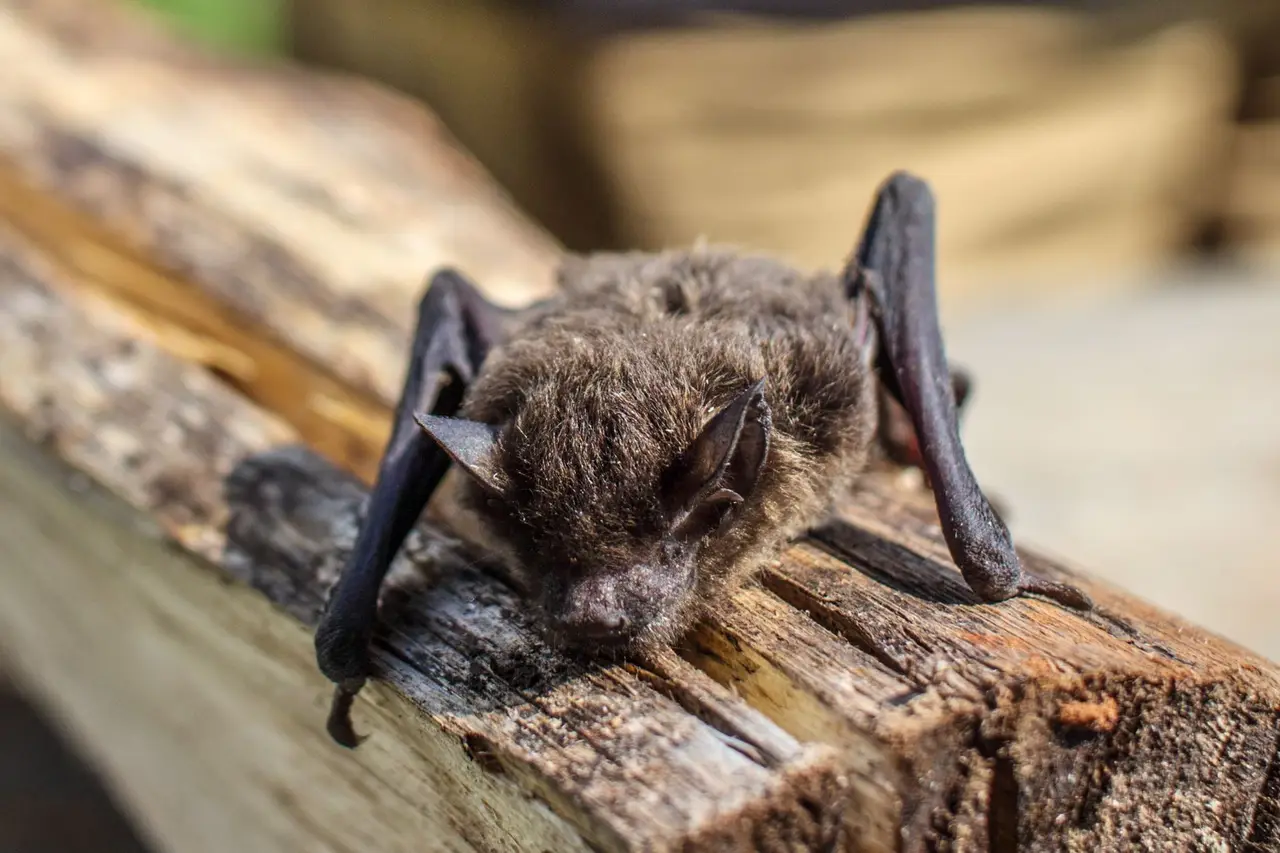
Small droppings and scratching inside walls may point to mice rather than squirrels. Mice Extermination targets indoor mouse activity, while squirrel removal focuses on roof and attic access. Correct identification helps you avoid treating the wrong animal and leaving the actual entry route open.
View service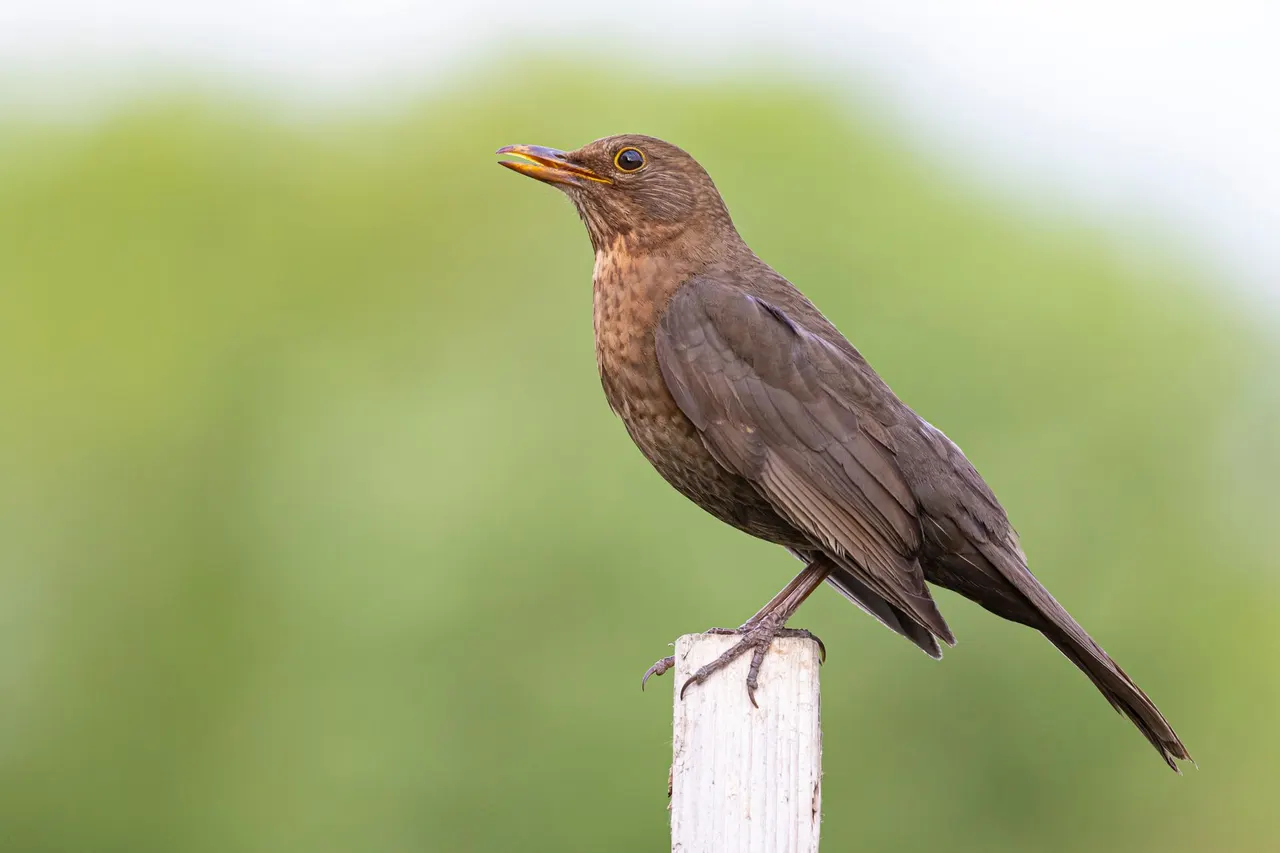
Rats can use basements, utility gaps, and exterior openings, unlike squirrels that commonly enter through rooflines. Rat Removal addresses the species and its distinct signs. If you hear activity in more than one part of your Detroit property, an inspection can separate the issues.
View serviceCall Aardvark Motown Pest Control at (313) 879-5917 to discuss insects, rodents, bed bugs, termites, or wildlife at your property. Our regular phone hours are Monday through Friday, 8:00 a.m. to 6:00 p.m.; leave a message outside those hours and include your Detroit neighborhood and the pest activity you noticed. We will respond during business hours.