Focused arrival windows
Useful updates and clear arrival timing.
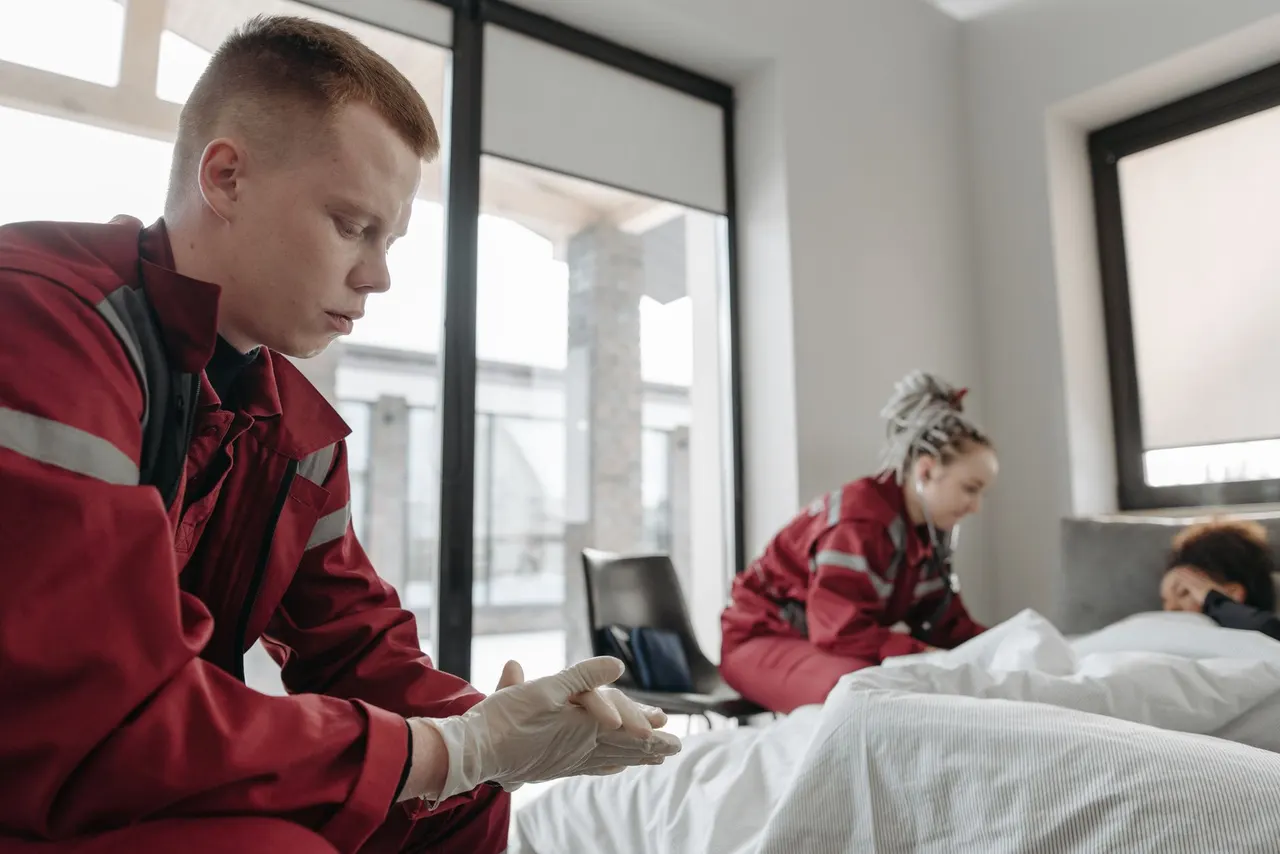
Restaurant Pest Control in Detroit helps restaurants stop pest activity before it threatens food, service, or customer confidence. We inspect kitchens, storage rooms, receiving areas, drains, and exterior entry points, then build a treatment plan around your hours and food-safety routines. From a single cockroach sighting to recurring rodent activity, our technicians work with Detroit owners and managers to identify the source, treat the problem, and reduce conditions that bring pests back.
Useful updates and clear arrival timing.
Review the approach and price before deciding.
Equipped vehicles and respectful cleanup.
Neighbors serving neighbors with follow-through.
Restaurant service includes an inspection, pest identification, a treatment plan, targeted control, and a review of prevention steps. We select methods based on the pest and the location, and we protect food, utensils, and food-contact surfaces during work. Follow-up monitoring is recommended when activity calls for it. Structural repairs, major sanitation work, and treatment of separate buildings are planned as distinct work when needed; we explain the appropriate service before proceeding.
We inspect food preparation, storage, dishwashing, waste, receiving, staff areas, and exterior access points. The technician records evidence such as droppings, insect activity, moisture, and openings. This gives your manager a clear starting point and keeps treatment tied to observed conditions rather than assumptions.
We determine whether the evidence points to rodents, cockroaches, ants, or another pest and check the likely harborages. Correct identification matters because a treatment that suits one insect may not solve another. We explain what the signs mean and which areas need attention first.
We use suitable baits, traps, monitors, or labeled product applications for the pest and site. Treatment is placed with food safety and staff movement in mind. Before work, we identify any needed preparation; afterward, we explain when surfaces or rooms can return to normal use.
We point out gaps, water sources, food residue, and storage practices that contribute to activity. Your team gets practical actions, such as closing door gaps, cleaning under equipment, or keeping ingredients in sealed containers. These corrections help treatment last and make future inspections more informative.
We document device locations and inspection findings so future visits can compare activity. A manager can use the record to assign cleaning or maintenance tasks and track completion. For active infestations, follow-up checks help us adjust treatment based on what the monitors show.
Share what is happening and receive a clear next step from the local team.
Restaurant Pest Control in Detroit is a commercial pest management service that inspects, treats, and monitors pest activity in food-preparation and dining spaces. We check warm equipment voids, floor drains, wall penetrations, dry storage, waste areas, and delivery routes for evidence such as droppings, rub marks, egg cases, or damaged packaging. Treatment is selected for the pest and location, with food-contact surfaces and operating procedures in mind. A written service record can help your staff track findings, corrective actions, and follow-up visits.
Detroit restaurants face pressure from year-round indoor heat, wet spring conditions, and cold-weather rodents seeking shelter in buildings. Older masonry, shared walls, utility chases, and busy loading areas can create routes between kitchens and exterior harborage. Our food service pest control Detroit work starts with those site conditions, not a one-size-fits-all spray. If you are searching for restaurant pest control near me Detroit MI, we can inspect the active areas, identify the likely entry route, and explain the next practical steps.

We ask what you saw, where it appeared, and when activity is strongest. A recent sighting near a dish area differs from droppings beside a loading door, so details guide the inspection. Share any recent deliveries, leaks, construction, or sanitation changes. The call usually takes 5 to 10 minutes and helps us arrive ready to check likely hotspots.
Our technician checks food storage, cooking equipment, drains, staff spaces, refuse areas, and exterior access points. We look for live insects, droppings, gnaw marks, moisture, and gaps around pipes or doors. A thorough first visit often takes 60 to 120 minutes for a restaurant, with more time for multiple floors or several kitchens.
We explain which pest is present, where it is harboring, and what treatment fits the site. Depending on findings, we may use targeted baits, monitors, traps, or a carefully applied product in a restricted area. You receive instructions for protecting food, dishes, and equipment, plus a clear outline of the work before treatment begins.
We apply the selected controls, install monitoring devices where useful, and identify entry gaps for sealing. Bait stations go in protected locations away from food and routine contact; glue boards help track crawling insects without adding loose pesticide. We record device locations so your manager and technician can compare activity at the next visit.
Before leaving, we review findings and practical corrections with your manager, including storage, cleaning, and waste handling. Follow-up timing depends on pest pressure; an active cockroach issue may need a check in 7 to 14 days, while stable monitoring may move to a monthly schedule. We adjust based on recorded activity, not guesswork.
We use secured bait stations in appropriate, protected locations to monitor or control rodent activity. Placement accounts for food storage, staff movement, and the pest route; devices are checked and recorded during follow-up.
Glue boards help reveal crawling insect activity and movement along equipment edges or walls. Their location and catch patterns guide inspections, while regular checks prevent the devices from becoming overlooked.
Snap traps can be used for rodent monitoring or control where placement is suitable and protected from routine contact. We position them along likely travel routes and record locations for reliable checks.
When a labeled liquid application is appropriate, an insecticide sprayer delivers a controlled treatment to a specified target area. We protect food and utensils and follow the product label and site precautions.
Vacuum units can remove visible insects or debris from accessible harborages during treatment. This supports targeted work around equipment and reduces reliance on broad application where physical removal is appropriate.
We combine inspection, pest identification, sanitation correction, exclusion, targeted treatment, and monitoring. The method addresses why pests are present as well as the visible activity. Your manager receives specific tasks, and our follow-up record shows whether those corrections and controls are working.
We record where traps and monitors are placed and compare findings at each visit. A rise in activity near one device directs attention to a likely route or harborage; a clean device helps confirm that the area is stable. The map keeps checks consistent across shifts and technicians.
We place suitable baits in protected locations and identify gaps around pipes, doors, and wall joints. Baits address active pests, while exclusion reduces access. We do not treat a gap as solved until the opening is corrected and monitoring shows whether activity has changed.
Every product is used according to its label, including placement, application rate, and required precautions. We protect food and food-contact surfaces, explain preparation and re-entry instructions, and document treatment areas. This keeps the work focused and suitable for an operating food business.
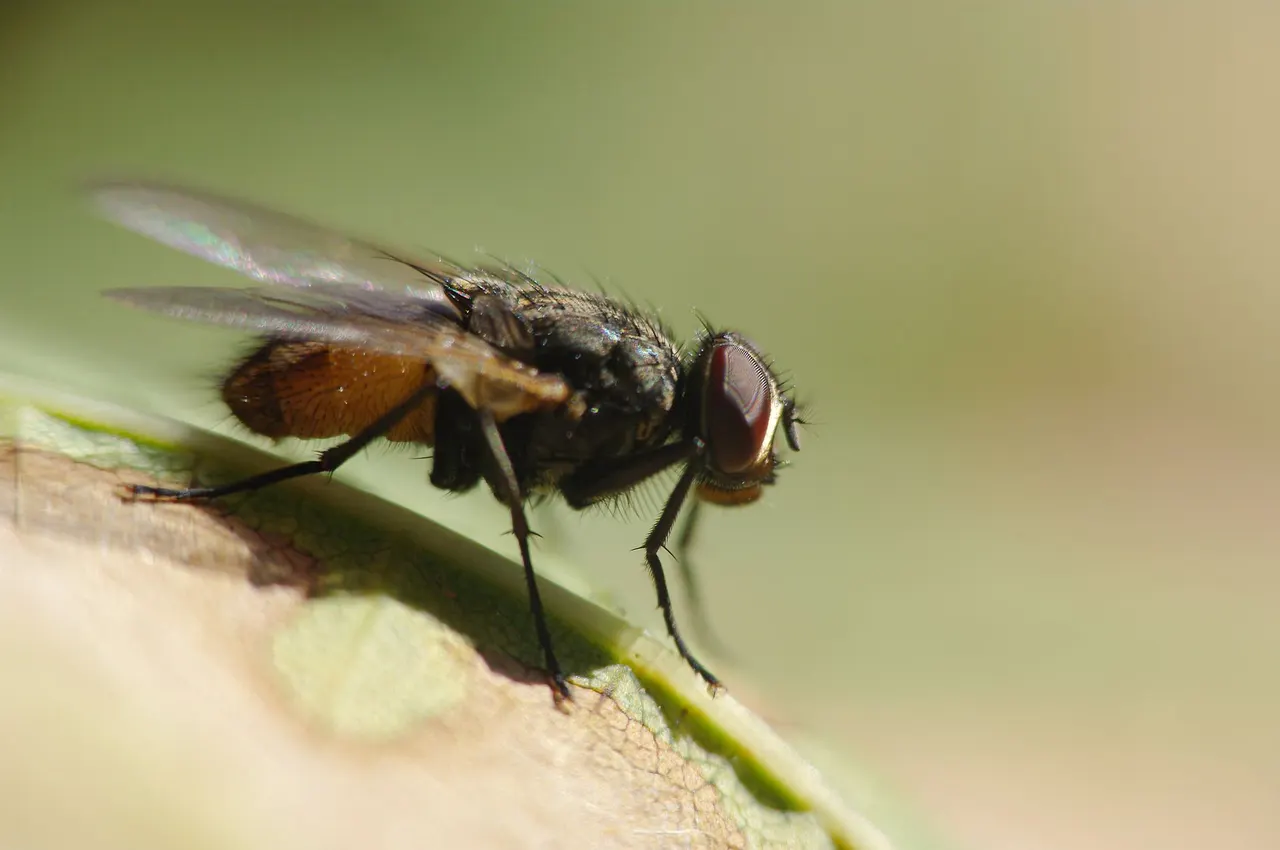
Call with the sighting location and the time it occurred. We inspect the station, adjacent equipment, drains, and storage for further evidence, then explain how to protect food and isolate the affected area during treatment. Monitoring devices help us check whether activity extends beyond the first sighting. Your manager gets a clear response plan, focused treatment, and specific cleaning actions before the next follow-up. That keeps the team from guessing at the source.
We inspect the threshold, door sweep, exterior wall, and nearby stock for a rodent route. The technician places appropriate monitoring controls and identifies gaps that need sealing. We also review how deliveries are staged so cartons and ingredients do not sit beside the suspected entry. The restaurant has a documented route to address, protected monitoring, and practical receiving changes that reduce exposure while the opening is corrected.
We trace the trail around the station, inspect nearby plumbing and window edges, and locate food or moisture that may be sustaining activity. Our treatment targets the identified route, and we show the closing crew how to clean hidden residue and store sweet ingredients securely overnight. Staff know what to clean and where to watch, while monitors help confirm whether the trail has stopped or moved to another entry.
We inspect both areas, map monitor locations, and record pest evidence and corrective actions. The manager receives a straightforward review of device checks, storage concerns, and follow-up timing. If activity appears near receiving, we inspect that route instead of treating every room alike. Your team can follow a consistent record between visits, identify changes earlier, and direct maintenance or cleaning effort to the areas that need it.
Restaurant pest control in Detroit has to account for older masonry, attached commercial buildings, basements, and busy delivery routes. In winter, rodents seek warmth through worn door sweeps and utility openings; during wet spring weather, moisture around drains and foundations can support insect activity. Our food service exterminator Detroit MI inspection checks both the kitchen and the routes pests use to reach it, including shared walls and refuse areas. We coordinate access around prep and service, then give your manager practical corrections tied to the findings. For restaurant pest control Detroit MI 24/7 concerns, call to report the pest and location so we can discuss urgent response options. We serve Wayne County neighborhoods and use monitoring records to distinguish a one-time arrival from a recurring route. Treatment follows product labels and food-area precautions; we do not rely on a broad spray to solve a structural opening or sanitation issue. A clear record helps the next visit focus on unresolved evidence.
Compact kitchens, basement storage, and frequent deliveries make receiving doors and utility penetrations important inspection points. We check these routes alongside food-preparation areas.
Busy loading activity and bulk ingredient storage can bring pests in with cartons or through open receiving doors. We inspect delivery staging and dry-storage edges.
Older brick buildings may have uneven thresholds and shared wall spaces. We look for gaps around pipes, doors, and exterior service areas that connect to kitchen activity.
Restaurants with customer seating and active prep areas need treatment coordinated around service. We plan access so staff can protect food and keep unaffected areas operating.
Small gaps at door sweeps, pipes, or foundation joints become more important as outdoor conditions turn colder. We inspect receiving and utility routes, then pair monitoring with practical exclusion recommendations.
Standing water, slow drains, and damp storage corners can support pests or attract them indoors. We identify the moisture source and recommend correction alongside treatment, so the pest plan is not working against a continuing water problem.
Pests can travel through utility chases or openings that are not visible from the kitchen. We inspect adjacent storage and service areas where access is available, document evidence, and identify building points that need sealing or coordinated attention.
A Detroit kitchen reported droppings near its delivery entrance and damaged dry-goods packaging. Staff had set a loose trap but could not tell whether rodents were entering from outside or moving from a basement storage room. Deliveries arrived throughout the day, leaving the door open during busy periods.
We inspected the threshold, basement route, and stock area, then installed protected monitoring devices and identified two gaps for correction. At the 14-day check, the manager reported no new damaged packaging and the devices showed no fresh activity. The team also changed delivery staging to keep cartons off the floor.
Maintenance: Keep the receiving door closed between deliveries, check the sweep weekly, and store dry goods at least 6 inches off the floor. Review device findings with the technician at each visit.
A Midtown restaurant saw small cockroaches near a beverage station after closing. Wiping the visible counter did not resolve the issue because residue and moisture remained beneath equipment, and staff did not know whether the insects were isolated or spreading.
We inspected the station and adjacent wall, treated the identified harborage with a targeted method, and placed monitors at three points. On follow-up 10 days later, the manager reported fewer sightings and the monitors showed activity concentrated in one remaining area, which guided the next focused check.
Maintenance: Clean beneath and behind the station at closing, repair drips promptly, and check monitors during scheduled service. Keep syrup containers closed and remove sticky residue from the floor edges.
An Eastern Market cafe found ant trails near its dessert counter each morning. Staff cleaned the visible trail, but a small gap beside a window and overnight crumbs kept drawing activity back toward the display.
We traced the trail to the window edge, applied a targeted control, and showed the closing lead where residue collected beneath the counter. At the next 7-day check, the team reported no active trail and the monitor remained clear. The manager arranged to seal the identified gap.
Maintenance: Wipe the counter base and floor edge nightly, store sweet ingredients in sealed containers, and keep the window area dry. Report any new trail before applying household products that could disrupt monitoring.
A pest problem in a Detroit restaurant can affect food storage, staff confidence, and daily service. If you need restaurant pest control Detroit MI 24/7, call to describe the issue and operating hours; we will discuss urgent next steps and the available response. Our inspection focuses on the pest source, the route it uses, and the conditions that allow it to persist.
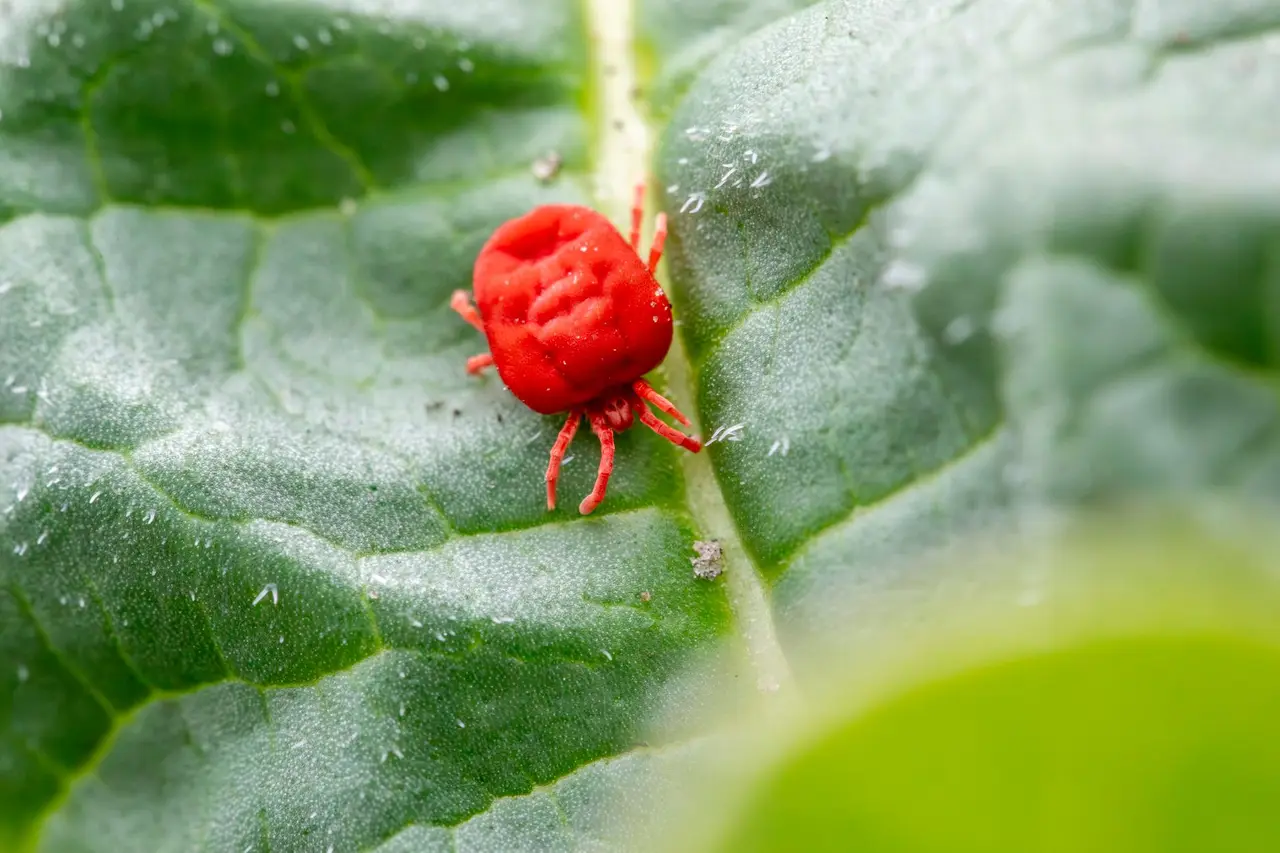
Cockroaches can contaminate surfaces and ingredients, and a sighting during service can prompt staff to close or isolate an affected station. We inspect motors, warm voids, drains, and nearby storage for live insects, egg cases, and droppings. We apply targeted controls where the label and site allow, place monitors to measure activity, and review cleaning beneath equipment. A follow-up check helps determine whether hidden activity remains.
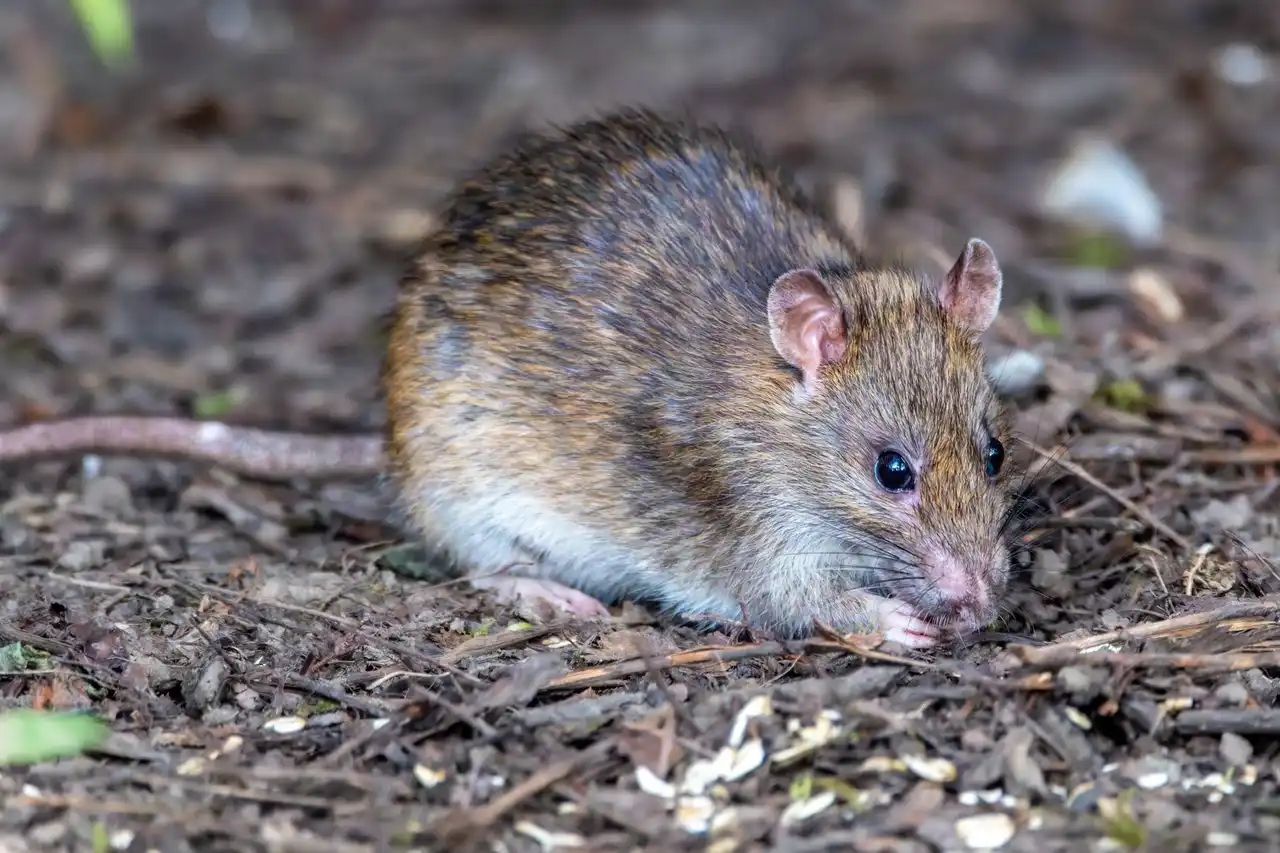
Rodent activity can damage packaging and contaminate stored food, while an unnoticed entry gap allows repeat access after traps are removed. We check the receiving threshold, utility penetrations, stock arrangement, and exterior refuse area for entry evidence. Protected traps or bait stations are placed in appropriate locations, and we show your manager where exclusion work is needed. We also review stock rotation and storage clearance to make inspections easier.
Repeated trails can reach food-contact areas and create daily cleanup work, especially when a hidden entry or steady moisture source remains. We follow the trail to its likely entry and food source, then select targeted control rather than spraying across the counter. We identify leaks, sticky residues, or gaps near windows and pipes. Your team gets a short list of cleanup and storage steps that helps keep the trail from shifting.
Recurring activity often means a concealed harborage, shared-wall route, or building opening has not been identified, allowing disruption to continue. We compare previous records with new evidence, inspect adjacent rooms and exterior access, and adjust device placement. If a building feature is contributing, we explain the correction needed and coordinate the pest plan around it. Documented follow-up reveals whether activity is declining or requires a different control.
Aardvark Motown Pest Control has served customers for 46 years, since 1980, and applies that experience to the conditions found in Detroit food businesses. Restaurant work demands careful inspection, accurate pest identification, and attention to food handling, staff movement, and treatment labels. Our technicians explain what they find in plain language and focus on the conditions that keep an infestation active. We use a site-specific plan, document monitoring results, and coordinate the work with the manager responsible for opening, closing, or receiving deliveries.

We noticed roaches near the soda station after closing and needed the kitchen checked before the weekend. The technician inspected behind equipment, placed monitors, and showed our closing lead where crumbs and moisture were collecting. The follow-up visit helped us confirm activity had dropped. The practical notes were easier for the crew to use than a long list of general advice.
We had mouse evidence by the receiving door and damaged a bag of dry goods. The team checked the threshold and storage area, set protected monitoring devices, and pointed out the gap that needed attention. We changed how deliveries were stored and saw fewer signs on the next check. The visit fit around our prep schedule.
Ants kept showing up beside the pastry case, even after we cleaned the counter. The technician traced the trail to a small entry near the window and explained how to handle spills and stock overnight. The targeted service and monitor check gave us a clearer picture of the problem, and we could keep the dining room open during the visit.
A single restaurant visit often costs $180 to $450, while intensive or multi-area work can range from $450 to $1,200; typical 2026 pricing in this area varies by pest and building. The first inspection, treatment intensity, number of kitchens, and follow-up frequency affect the total. We give upfront pricing after identifying the work needed. Food storage, access, and an active infestation can also change the time required.
The best plan identifies the pest, its entry route, and the conditions sustaining it, then verifies results with monitoring. For many Detroit kitchens, that means checking drains, equipment voids, deliveries, and waste areas before choosing targeted controls. Ask whether the provider documents findings, explains food-area precautions, and gives your staff specific prevention tasks. Our restaurant pest management Detroit Michigan service is built around those inspection and follow-up steps.
A first restaurant inspection and treatment commonly takes 60 to 120 minutes; a focused follow-up can take 30 to 60 minutes. Larger kitchens, multiple floors, heavy activity, or difficult access add time. We coordinate around food preparation and explain any area-specific precautions before work. Active cockroach or rodent problems often need another visit within 7 to 14 days to check monitors and adjust the plan.
Yes, restaurants in Detroit encounter rodents, cockroaches, ants, and stored-food pests because kitchens provide warmth, water, food, and shelter. Activity often increases around exterior gaps, deliveries, drains, and shared building walls. Cold weather can drive rodents indoors, while warmer, wet periods can increase insect pressure. Daily sanitation, sealed food storage, closed waste containers, and regular monitoring help reduce the conditions that support pests.
Not seeing your question? Our local team can help you understand urgency, scheduling and what to expect.
Ask the local team
For Detroit restaurants dealing with more than one pest type, General Pest Control adds broad inspection and monitoring across the building. We check common entry points, storage, and service areas, then address the specific pest evidence found. It can complement a kitchen-focused plan when staff offices or exterior areas also show activity.
View service
Rodent Control targets mice and rats moving through loading areas, wall voids, and food storage. In restaurant work, we combine monitoring with checks for droppings, gnawing, and access gaps. Your staff can reduce attraction by securing ingredients and waste while we address the routes rodents use to enter.
View service
Mice Extermination focuses on active mouse evidence, including droppings near stored goods or movement along wall edges. We use a device plan suited to the kitchen and inspect likely openings around utility lines and doors. Pairing treatment with exclusion recommendations helps protect stock and limit repeat sightings.
View serviceRat Removal addresses larger rodent activity around dumpsters, loading docks, basements, and exterior walls. We inspect for burrows, rub marks, and damaged packaging, then choose controls appropriate to the site. Restaurant managers also receive practical guidance on keeping refuse areas orderly and reducing access to food and water.
View service
Call Aardvark Motown Pest Control at (313) 879-5917 to discuss insects, rodents, bed bugs, termites, or wildlife at your property. Our regular phone hours are Monday through Friday, 8:00 a.m. to 6:00 p.m.; leave a message outside those hours and include your Detroit neighborhood and the pest activity you noticed. We will respond during business hours.