Focused arrival windows
Useful updates and clear arrival timing.

Pest Control in Midtown Detroit takes local building conditions into account, from student housing near Wayne State University to historic homes with maintenance needs in Brush Park. Aardvark Motown Pest Control treats rodent and insect activity with a clear inspection, targeted treatment, and practical prevention steps. Our Midtown Detroit Pest Control work covers ZIP codes 48201, 48202, and 48206, with service plans matched to your property and the pest you have found.
Useful updates and clear arrival timing.
Review the approach and price before deciding.
Equipped vehicles and respectful cleanup.
Neighbors serving neighbors with follow-through.
Pest Control in Midtown Detroit is a property protection service that identifies, treats, and helps prevent pest activity in homes and buildings when evidence or risk calls for action. Midtown combines mixed residential and institutional buildings, student housing and apartments, and older homes that need careful inspection around utility entries, foundations, and shared walls. We serve Cass Corridor, the Cultural Center, Brush Park, the Art Center, and the Medical Center, where each building layout changes how we inspect and place treatment. A visit near the Detroit Institute of Arts or Wayne State University starts with the exact location of activity, not a one-size-fits-all spray. Our technicians check entry points, moisture, food access, and signs such as droppings or insect trails before choosing materials and placement. We use inspection findings to explain what needs treatment and what can be corrected by sealing gaps or changing storage practices. For an exterminator Midtown Detroit MI residents can reach, call Aardvark Motown Pest Control at (313) 879-5917. We also help customers compare Pest Control near Midtown Detroit options by discussing inspection steps, treatment type, and follow-up needs in plain language.

Midtown Detroit properties range from individual flats to multi-unit buildings and commercial spaces, so the right treatment depends on where pests are active and how occupants use the space. If you need affordable pest control in Midtown Detroit, we start by identifying the pest and its access route, then recommend an appropriately sized service rather than blanket treatment. Our service menu addresses insects, rodents, nuisance wildlife, and prevention. We coordinate access with owners or property managers when kitchens, basements, shared corridors, or multiple units need inspection, and we leave you with practical steps to reduce food, water, and shelter sources.
We inspect the rooms and exterior edges where you have noticed activity, then select a targeted treatment for the identified pest. In Midtown apartments and historic homes, our visit includes checking common entry gaps and explaining the next practical prevention step. Treatment is based on findings, not a routine spray applied without inspection.
View service →02Rodent activity in alleys and dumpsters can lead residents to notice movement indoors, but we trace the route at the building. We inspect utility penetrations, basement edges, and food-storage areas in Midtown properties, then use appropriate monitoring and control. Closing access points is part of lasting control, especially in older structures.
View service →03A mouse sighting in a Midtown kitchen or apartment calls for checking more than the room where it appeared. We look behind appliances, around pipe openings, and along wall edges, then place traps where activity supports them. You receive clear placement and sanitation instructions to protect occupants and reduce food access.
View service →04We investigate rat signs around basement access, trash storage, and exterior openings before setting a control plan. In dense Midtown blocks, shared waste areas and connected building spaces make careful source checks important. Our technicians select secure control measures and identify gaps that should be sealed to reduce re-entry.
View service →05Cockroach treatment starts with locating harborages, moisture, and food sources, especially around kitchens, laundry rooms, and shared service areas. We use targeted placement and follow-up recommendations for Midtown apartments and restaurants. Preparation instructions are specific to the treatment so you know what to move, clean, and leave accessible.
View service →06When ants trail across a Midtown sill or kitchen counter, we follow the trail and inspect likely entry points instead of treating only the visible line. Treatment choice depends on the ant and its source. We also point out food residue, moisture, or small exterior gaps that can sustain repeat activity.
View service →07We inspect basements, storage corners, window frames, and exterior lighting areas where spiders and their prey may be found. Midtown's mix of older homes and apartment buildings calls for attention to cracks and cluttered storage without disturbing residents' belongings. We remove accessible webs and recommend targeted measures based on the species and location.
View service →08Bed bug inspections focus on mattress seams, bed frames, upholstered furniture, and nearby cracks, with care for occupied Midtown apartments and student housing. We confirm signs before treatment and give preparation steps suited to your rooms. If adjacent units are involved, we explain why coordinated inspection helps limit continued movement.
View service →09Heat treatment is planned around the rooms and belongings that need access, with temperature monitoring during the service. We prepare Midtown homes and apartments with clear instructions about heat-sensitive items and room readiness. The treatment plan depends on the inspection and property layout, and we explain post-service monitoring before the job is complete.
View service →Midtown Detroit Pest Control begins with the building and the evidence: we inspect the reported room, nearby access points, and any connected space relevant to the problem. In historic homes, that often means checking basement penetrations, aging trim, and transitions between additions; in apartments, we ask about shared walls and common areas. Our technician records the pest signs, selects placement and treatment for the identified issue, and explains the work before starting. For same-day pest control Midtown Detroit MI requests, call early and tell us the pest, address, and access limits so we can route the visit appropriately. We coordinate with a building contact when service involves multiple units or commercial hours. Cold winters and freeze-thaw cycles can expose exterior gaps, while warm months bring more insect activity and outdoor water sources. We use targeted methods rather than relying on foggers for every problem. After treatment, you get clear instructions on re-entry, cleaning, and what activity to monitor. In tight blocks, share parking instructions and a working entry code when arranging the visit; that keeps arrival and equipment handling straightforward.
A single apartment may show signs while the source sits in a neighboring unit, basement, or shared service area. Treating only the visible room can leave the route open and activity unresolved. We ask when and where you noticed activity, inspect the reported unit, and identify adjacent areas that need access. With permission from the property contact, we coordinate a broader inspection. Treatment and monitoring are then placed where evidence supports them, with clear notes for residents and management.
Historic homes and renovated buildings can have irregular gaps around pipes, foundations, and window frames. Small openings are easy to miss during a quick visual check, especially where repairs cover older materials. We inspect likely routes with a flashlight and check the surrounding signs before recommending exclusion. Where appropriate, we use sealants or screens after confirming the opening is not being used by wildlife. You receive a short list of repair priorities instead of a vague instruction to seal everything.
Rodent activity in alleys and dumpsters can coincide with indoor sightings, but outdoor conditions alone do not confirm the source. Trash areas, delivery access, and basement openings must be assessed separately. We inspect waste storage and the building perimeter, then check interior evidence such as droppings, rub marks, and gaps. Secure bait stations or traps are placed only where appropriate, and we identify sanitation or exclusion steps that reduce access to food and shelter.
Pesticide work in Midtown must follow Michigan requirements and every product label, including placement, handling, and re-entry directions. We select the product and method for the target pest and site, and explain any precautions that apply to occupants, pets, food areas, or building staff.
Building upkeep, refuse handling, and openings that permit pest entry can affect the conditions around a property. We identify practical sanitation and exclusion concerns during service and direct property owners to address building repairs through the appropriate maintenance process.
Midtown's cold winter conditions, warm humid stretches in summer, and freeze-thaw transitions affect when pests seek shelter and where building gaps become visible. Mixed residential and institutional buildings mean activity can involve kitchens, waste rooms, basements, and shared service spaces. Older homes with maintenance needs also deserve checks around foundation joints and utility penetrations. Pest Control near Midtown Detroit should account for these building conditions without assuming every property has the same issue. Inspection evidence guides the treatment, and prevention work targets the route or condition supporting activity.
Small gaps around pipes, foundations, and older repairs can give mice or rats access to warm interior spaces. Alley and dumpster activity is a local concern, but indoor droppings or rub marks must be traced at the property rather than attributed to the waste area alone. We inspect the reported rooms and accessible perimeter, identify active routes, and place control measures where evidence supports them. We then point out entry gaps for sealing and advise on food and waste storage. Secure placement and monitoring help you track whether activity continues.
Food residue, moisture, appliance warmth, and wall openings can support cockroach activity in apartments and commercial kitchens. In connected buildings, activity may extend beyond the first room where residents see an insect, so inspection scope needs to reflect the building layout. We check appliances, plumbing penetrations, cabinets, and relevant shared areas, then use targeted placement appropriate to the site. We give residents or staff practical cleaning and storage steps. If signs appear in multiple units, coordinated access improves the chance of locating the source.
Rain and changing spring temperatures can make small exterior gaps more noticeable as ants forage indoors. Window frames, trim, and utility openings in older or renovated properties can provide routes, while crumbs and moisture make indoor destinations attractive. We follow the trail to the entry route, identify the ant activity, and choose a treatment suited to the findings. You receive instructions on removing food residue and addressing the relevant gap. We focus on the active route instead of spraying every surface.
Wood near soil, persistent moisture, and concealed foundation areas can make termite inspection important in older Midtown buildings. A stain or damaged board alone does not prove active termites; the source and condition need to be examined before treatment is proposed. We inspect accessible foundation and wood areas for evidence such as mud tubes or damage patterns. We explain what we observed and distinguish confirmed signs from conditions that warrant monitoring or repair. If treatment is indicated, the plan follows the building layout and inspection results.
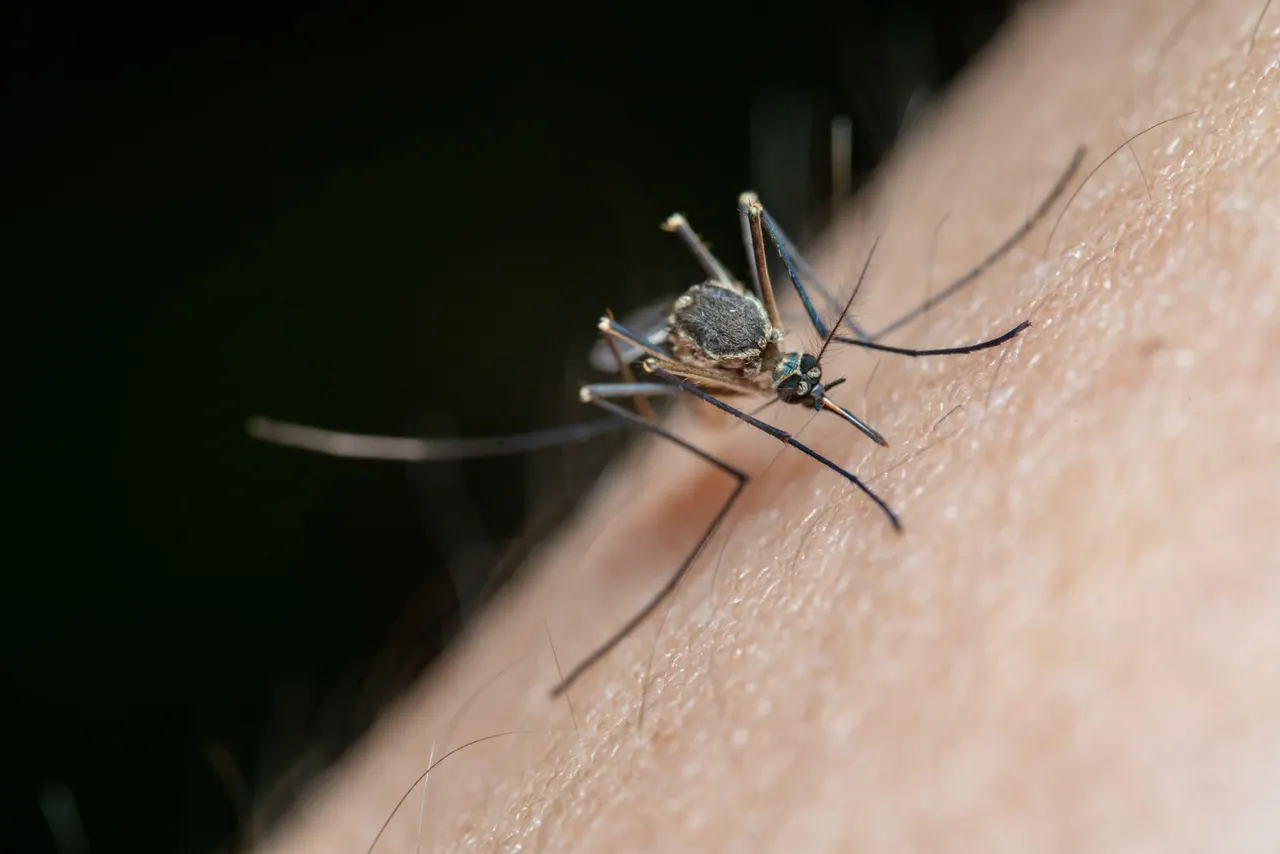
Typical 2026 pricing in Midtown depends on the pest, affected area, building access, and whether follow-up is needed. A focused visit for ants or spiders may run about $150-$300; rodent or cockroach work often falls around $200-$600, with larger multi-unit plans priced after inspection. Bed bug work can range from $500-$1,500 per treatment area, depending on preparation and method. These are planning ranges, not a quote for your property. Midtown Detroit exterminator service costs rise when activity spans several units, a nest is difficult to reach, or exclusion repairs require more labor. We explain the price before work begins, based on the pest evidence and treatment plan. Call with your address, building type, and the signs you have seen for a practical starting point.
A localized ant trail may need less labor and material than a confirmed bed bug or rodent problem. The pest's life cycle and the treatment method affect preparation, equipment, and follow-up. We price the work around the inspection findings and the rooms or areas that need attention.
A single Midtown apartment is different from a building with activity in several connected units. Shared basements, locked service rooms, restricted hours, and difficult parking can add labor or coordination. Giving us the right entrance and property contact helps the visit run efficiently.
Some pest plans need a return visit to check monitoring or repeat treatment; others depend on sealing an entry gap or repairing a screen. The number of visits and extent of accessible repair work affect total cost. We separate the practical treatment steps so you understand what addresses activity and what prevents re-entry.
Midtown addresses can be easier to locate when you share a nearby landmark and the correct entrance, especially in large institutional blocks. Our technicians use public landmarks for orientation only; we do not imply that a named institution is a customer or service site. Give us your street address, unit number, parking details, and any building check-in steps. That information helps us arrive at the right door and bring the equipment needed for your inspection.
The Detroit Institute of Arts is a recognizable Cultural Center landmark that helps orient visitors to surrounding streets. Use it as a reference point when describing an address nearby, then provide the exact building entrance and unit for service.
Wayne State University provides a clear orientation point across central Midtown. For a nearby residence or business, the street address and access instructions remain essential because campus-area blocks include multiple entrances and building layouts.
The Charles H. Wright Museum is a prominent Cultural Center reference point. Mentioning it can help clarify the general area, but our technician still needs your exact address, parking location, and the entrance used by residents or staff.
The Cass Corridor has a mix of storefronts, restaurants, offices, and residential properties. Commercial tenants can provide their suite, delivery entrance, and operating hours so inspections reach the correct space without disrupting normal access.
The area around Wayne State University includes educational, residential, and service uses. Building access rules vary, so customers should share the appropriate street entrance and any property contact details when arranging a visit.
The QLINE runs along Woodward Avenue through Midtown and offers a recognizable transit corridor. For a service visit, provide the building address and parking or loading instructions rather than relying on a stop name alone.
DDOT bus routes serve Midtown streets and connect nearby districts. Our arrival plan is based on the property address, entrance, and vehicle access details you provide.
Our Midtown coverage includes residential, cultural, educational, medical, and mixed-use blocks. We plan visits around the property address and access needs, not just a neighborhood label. ZIP 48201 covers much of the central Midtown area, while 48202 and 48206 connect nearby residential and institutional locations. Tell us whether you are in an apartment, historic home, business, or shared building so we can prepare for the right inspection and coordinate entry.
Cass Corridor includes a varied mix of apartments, homes, and commercial frontage. Residents often need inspections that account for shared walls, basement spaces, and service entries. We check the specific unit and building conditions rather than assume a pest sighting came from a neighboring property. We route by street address and access instructions, then inspect the reported unit and relevant shared areas with permission.
The Cultural Center is oriented around major cultural institutions and nearby residential streets. For homes and apartment buildings here, we focus on entry points, storage areas, and signs inside the property; landmarks are useful for navigation, not a substitute for a property inspection. Share the nearest cross street and building entrance so our technician can find the correct Midtown address.
Brush Park has historic homes and newer residential development, creating different inspection needs from one block to the next. Older trim, foundation transitions, and additions deserve attention, while apartments may require coordination around common spaces and residents' schedules. We use your address and parking guidance to plan arrival and equipment access for the specific building.
The Medical Center area includes institutional and residential buildings with varied access procedures. Residents and property teams benefit from clear scheduling, defined treatment areas, and communication about occupied spaces. We tailor inspection steps to the building and the pest evidence reported. Provide the correct entrance and any check-in instructions when booking service near the Medical Center.
Every pest problem needs inspection before a treatment plan is chosen. The examples below illustrate the kinds of building details we assess in Midtown: unit connections, entry points, and activity patterns. They are representative scenarios, not customer testimonials or claims of documented jobs. At your property, we explain the observed signs and the practical next step before treatment.
A resident in Cass Corridor reported mouse droppings beneath a kitchen sink and scratching near a shared utility wall. We inspected the cabinet, pipe openings, baseboards, and accessible basement edge, then placed traps where evidence supported them. We showed the resident the gap around the pipe and advised the property contact to seal it after confirming the route. Food storage and monitoring instructions were provided for the kitchen. The plan used a focused inspection, 3 monitoring points, and a follow-up check after 7 days. The resident received a clear route for reporting any new signs.
A Brush Park homeowner noticed recurring ants along a window sill after rain and wanted the entry route identified. We followed the trail, inspected the sill and nearby exterior seam, and checked for indoor food residue and moisture. We applied targeted control based on the ant activity, then identified the exterior gap for sealing. The homeowner received cleaning and monitoring steps for the next 10 days. Treatment focused on the active trail rather than the full room, with 2 identified entry points and a defined 10-day observation period.
An apartment manager near the Cultural Center reported cockroach activity in a shared kitchen and adjacent utility area. We inspected the kitchen, appliance edges, utility penetrations, and accessible common areas. Targeted placement addressed the observed activity, and we gave management a short sanitation checklist covering food residue, moisture, and waste handling. We also outlined the value of coordinating access if additional units showed signs. The initial visit covered 2 connected areas and established monitoring locations for a 14-day review window. Management received specific follow-up actions for staff and residents.

Aardvark checked the kitchen and basement rather than just setting a trap where I saw the mouse. The technician found a gap by a pipe, explained what needed attention, and left clear monitoring instructions. I appreciated the straightforward visit and the care taken around our older home in Brush Park.
We had ants along the window in our Cass Corridor apartment. The technician followed the trail, treated the active area, and explained the small opening that was letting them in. The instructions were easy to follow, and the visit fit around our building access schedule.
Our property manager arranged an inspection after cockroach signs appeared near a shared kitchen. The technician checked the appliance edges and utility area, then gave us a useful list for keeping food and waste contained. The explanation was direct and the treatment area was left tidy.
As November brings colder weather, rodents and other pests look for protected indoor spaces, so inspect basement doors, pipe openings, and storage areas now. Winter cold can make a small gap matter; spring thaw reveals damp spots and exterior wear. Summer brings mosquitoes, wasps, and more outdoor insect activity, while fall drives renewed interest in warm buildings. If you need 24/7 pest control Midtown Detroit near me, call with the pest and its location so we can respond to the actual risk and schedule. Seasonal inspection helps you catch entry routes before activity becomes established.
Thawing ground and spring rain expose moisture and gaps around foundations, windows, and utility entries. Ant activity often becomes more visible as temperatures rise. Check basements after heavy rain and look for fresh trails near sills or plumbing openings.
Warm weather increases outdoor insect activity, including mosquitoes and wasps. Containers, clogged drains, and other water-holding items can support mosquito breeding, while nests may appear near eaves, balconies, or entrances. Busy outdoor areas need clear access around any nest.
As evenings cool, mice and other rodents seek sheltered spaces, and exterior openings become a priority. Leaves and stored items can hide foundation gaps or block access for inspection. In Midtown apartments, check service rooms and waste areas as well as living spaces.
During freezing weather, pests may remain active inside warm kitchens, basements, and wall voids. Rodent signs near food storage or utility openings deserve attention, while exterior work may be affected by snow or ice. Indoor inspection still helps identify routes and conditions.
Midtown sits within a connected Detroit service area, and our technicians travel between nearby neighborhoods for residential and commercial calls. We keep each visit tied to the exact property, pest, and access needs; a service-area label does not replace an on-site inspection. Customers managing several properties can coordinate requests across Midtown, Brush Park, Downtown, and other listed areas. Call (313) 879-5917 with your address and a brief description of the activity.

Downtown lies north of Midtown and connects through central Detroit streets; customers often arrange service for properties in both areas.
Local coverage and details
Corktown is west of Midtown, within the same Detroit service region for homes, apartments, and commercial properties.
Local coverage and details
Mexicantown is southwest of Midtown and forms part of our broader Detroit coverage for residential and business calls.
Local coverage and details
Greektown is downtown and northeast of Midtown, connected by the central street network and shared service coverage.
Local coverage and detailsA strong Midtown contractor should explain what will be inspected, how treatment is selected, and what you need to do before and after the visit. Ask direct questions about Michigan licensing, product handling, follow-up, and experience with your type of building. That matters in a mixed-use area where a basement, restaurant kitchen, apartment, and historic home each have different access and occupant needs. The answers should be specific to the pest and the property, not a promise to spray everything. A clear plan makes it easier to protect residents and solve the problem at its source.
Michigan pesticide work has licensing and application requirements. Ask who will perform the service and whether the person has the relevant credential for the work. A straightforward answer helps you understand who is responsible for product selection, safe placement, and the directions you must follow after treatment.
A technician should explain how they will inspect the reported unit and consider connected spaces where access is available. This matters when pests travel through utility openings or common areas. The answer should describe a practical process, including how the building contact and residents coordinate entry.
Preparation varies by pest and treatment. For bed bugs, kitchens, or rodent control, moving the wrong items can interfere with inspection or spread activity. A useful answer gives you specific rooms and objects to prepare, rather than a blanket instruction to empty the whole property.
Some treatments need monitoring or another visit; others depend on exclusion or sanitation after the initial work. Ask what signs to watch for and when to report them. A contractor should connect follow-up timing to the pest's biology and the findings at your Midtown property.
Treatment placement and re-entry directions matter in occupied homes, apartments, and food businesses. The contractor should identify where materials will be used, explain any product-label precautions, and give clear instructions for people, pets, dishes, and food-contact surfaces.
National Pest Management Association
Occupational Safety and Health Administration
General liability coverage for pest control operations
Member
Participant
A focused insect visit often costs $150-$300, rodent or cockroach work $200-$600, and bed bug treatment $500-$1,500 per treatment area in 2026. Final pricing depends on the pest, number of rooms or units, access, and follow-up needs. We inspect the reported activity and explain the price before starting. For affordable pest control in Midtown Detroit, share your building type, address, and signs when you call so we can discuss the right service.
The right provider is one that inspects first, explains the treatment and safety steps, and understands Midtown's apartments, older homes, and mixed-use buildings. Ask about Michigan pesticide credentials, how the technician checks connected spaces, and what follow-up is appropriate. Aardvark Motown Pest Control has served Detroit since 1980, with 46 years in business as of 2026. Call us to describe the pest and property so we can explain how we would approach it.
You should arrange an inspection when you see repeated pest activity, fresh droppings, damaged food, a nest near an entrance, or signs that return after cleaning. One sighting does not always mean an infestation, but recurring evidence needs a source check. Midtown apartments and older homes can have hidden utility gaps or shared spaces. We inspect the affected area and recommend treatment only after identifying the pest and relevant conditions.
Residents commonly seek help for mice and rats, cockroaches, ants, bed bugs, spiders, wasps, mosquitoes, and nuisance wildlife. Which pest appears depends on the building, season, sanitation, moisture, and access points; no single list fits every property. In Midtown, shared walls, basements, waste areas, and older exterior details deserve attention. We identify the pest from signs and inspection before selecting control measures.
Choose a company that can explain its Michigan licensing, inspection process, treatment placement, preparation directions, and follow-up for your specific pest. Ask how it handles shared walls or occupied commercial areas and whether the plan follows product-label precautions. A qualified exterminator Midtown Detroit MI customers can reach should give direct answers without promising the same spray for every property. Call Aardvark Motown Pest Control at (313) 879-5917 to discuss your issue.
Not seeing your question? Our local team can help you understand urgency, scheduling and what to expect.
Ask the local team
Call Aardvark Motown Pest Control at (313) 879-5917 to discuss insects, rodents, bed bugs, termites, or wildlife at your property. Our regular phone hours are Monday through Friday, 8:00 a.m. to 6:00 p.m.; leave a message outside those hours and include your Detroit neighborhood and the pest activity you noticed. We will respond during business hours.