Focused arrival windows
Useful updates and clear arrival timing.

Warehouse Pest Control in Detroit helps facilities stop rodent and insect activity before it contaminates stock, damages packaging, or disrupts shipping. We inspect receiving doors, racking, utility penetrations, waste areas, and employee spaces, then build a treatment and monitoring plan around your workflow. Our team serves distribution centers, storage buildings, and commercial operators across Detroit, Michigan, with practical steps your staff can follow between visits.
Useful updates and clear arrival timing.
Review the approach and price before deciding.
Equipped vehicles and respectful cleanup.
Neighbors serving neighbors with follow-through.
Our warehouse service covers inspection, pest identification, targeted treatment, monitoring, and practical prevention recommendations for the areas we assess. We focus on active pests and conditions connected to your facility's use. Structural repairs, major sanitation work, and specialized treatments for unrelated wildlife or termites are handled as separate work when needed. Your service record identifies what we addressed and where follow-up matters.
We inspect receiving doors, exterior access points, racking edges, drains, break rooms, waste areas, and accessible utility spaces. Findings are tied to specific zones, so you can connect pest evidence with building conditions or daily routines.
We choose control methods based on the pest and location, including secured bait stations, snap traps, glue boards, or an appropriate targeted insect application. Placement accounts for staff movement, product exposure, and equipment access.
We check devices and record captures, sightings, and signs such as droppings or gnawing. These notes give your operations contact a baseline and help our technicians adjust the plan when activity changes between visits.
We identify practical steps such as replacing a door sweep, sealing a pipe gap, improving waste storage, or removing standing water. Recommendations focus on conditions observed at your facility, not a generic checklist.
Share what is happening and receive a clear next step from the local team.
Warehouse Pest Control in Detroit is a commercial pest management service that identifies pest entry points, removes active infestations, and monitors conditions that could attract rodents or insects. We inspect dock doors, wall-floor joints, pallet staging, drains, break rooms, and exterior waste zones. Depending on findings, our technicians place bait stations, glue boards, or snap traps, apply targeted insecticides, and recommend exclusion screens or sealants at access gaps. You receive a clear service record showing locations checked, devices serviced, activity found, and corrective actions for your facility.
Detroit warehouses face recurring pressure from seasonal temperature swings, snow and rain, delivery traffic, and older masonry or industrial building details. A damaged door sweep or a gap around a pipe can give mice a direct route to food, packaging, or warm equipment rooms. Our industrial pest control Detroit service focuses on those operational weak points instead of treating a warehouse like a home. If you searched for warehouse pest control near me Detroit MI, we can assess the building, identify priorities, and explain a workable next step.

We start with your pest history, staff sightings, product concerns, and operating schedule. A first walkthrough commonly takes 60 to 120 minutes for a small or mid-sized facility, depending on building layout. We check receiving doors, dock levelers, racking edges, drains, break rooms, waste handling, and utility spaces, then agree on access rules before treatment begins.
Our technician records evidence such as droppings, gnaw marks, insect activity, nesting material, and damaged packaging. We mark findings by zone rather than treating every aisle the same way. This helps distinguish a door-related mouse issue from a sanitation hotspot or an insect source near a floor drain, and gives you a usable baseline for follow-up.
We select devices and products based on the pest, location, and site conditions. Rodent control may use secured bait stations or snap traps; monitoring may use glue boards; insect work may call for a targeted application or vacuum removal. We follow label directions and place materials to limit contact with stock, workers, and moving equipment.
The technician services active areas and points out practical corrections, such as replacing a worn door sweep, moving waste bins away from an exterior wall, or cleaning a spill beneath racking. A focused treatment visit often takes two to four hours after inspection, with larger or heavily affected buildings requiring additional time or staged work.
At follow-up, we inspect devices, record new activity, and compare the results with the initial map. A common starting schedule is a check within 7 to 14 days, then monthly or quarterly service based on risk and findings. If activity remains concentrated in one zone, we adjust placement or recommendations instead of repeating the same treatment unchanged.

We use secured stations where rodent activity and site conditions support bait placement. Locations are selected to allow inspection while limiting access by staff, visitors, and moving equipment.
Glue boards help monitor crawling insects or small rodent activity in suitable protected locations. Their placement can indicate where pests travel and whether activity shifts after treatment or building repairs.
Snap traps provide a non-chemical rodent control option in appropriate locations. We place and check them based on evidence, access, and site safety, then record results for comparison at the next visit.
Vacuum units can remove visible insects or debris from localized areas during service. This supports targeted work around cracks, equipment edges, or other accessible sites without relying on a broad spray.
Exclusion screens help close suitable openings around vents or other access points. We identify where screening or another repair can reduce pest entry and coordinate recommendations with your maintenance contact.
We identify the pest, evidence, access route, and contributing conditions before selecting controls. Treatment is paired with monitoring and practical prevention steps, so your facility can track results and correct causes such as door gaps or food debris.
Devices are recorded by location and checked for captures or other activity. A map lets your site contact and our technician compare findings over time, spot repeat hotspots, and adjust placements instead of treating the entire warehouse uniformly.
When insecticides or other products are appropriate, we apply them according to label directions and site conditions. We consider occupied areas, stored goods, equipment, and access requirements, and explain any temporary precautions relevant to the treated location.
We connect pest evidence to conditions your team can correct, including damaged seals, standing water, food residue, or poorly positioned waste. Closing entry routes and reducing attractants supports control and gives monitoring a better chance of showing sustained improvement.
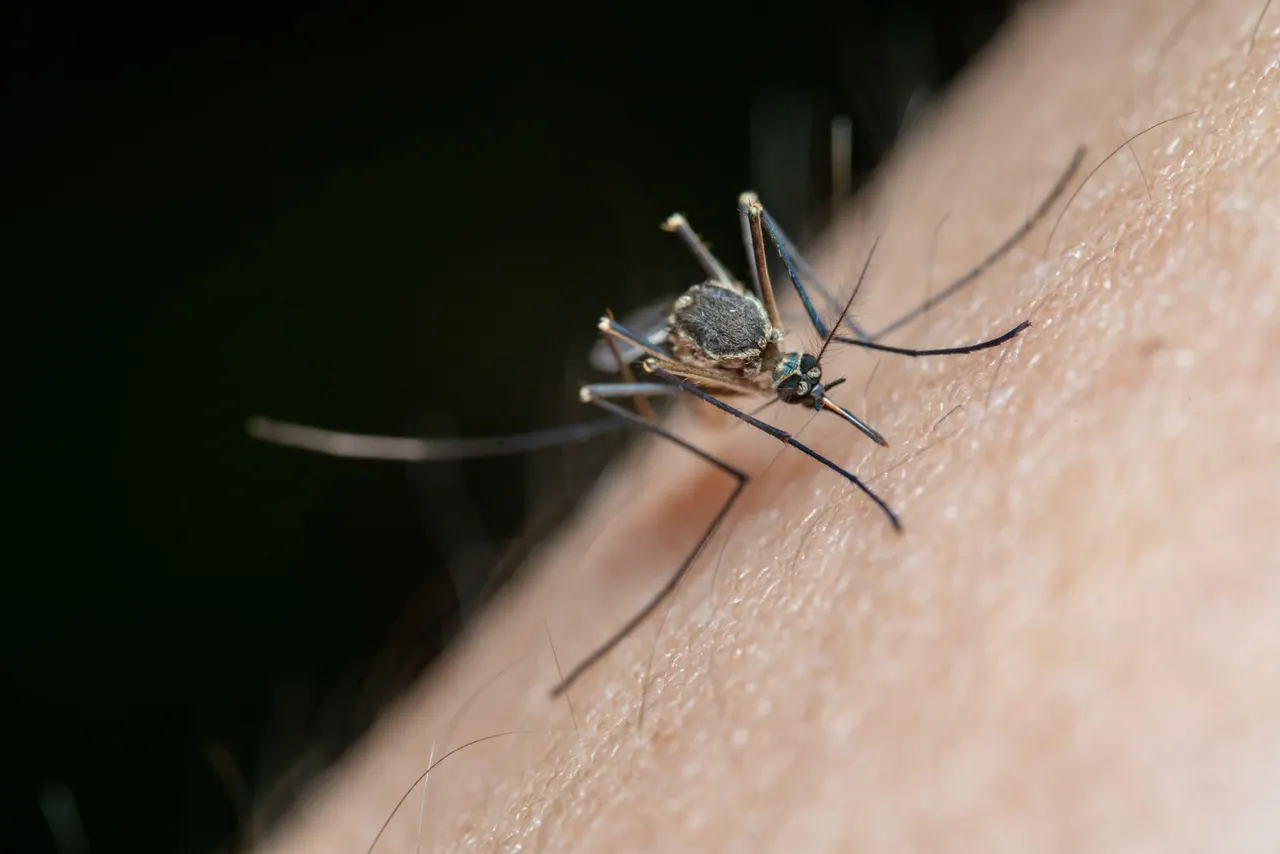
We inspect the receiving route, pallet staging, dock seals, and adjacent storage for rodent evidence. The technician places suitable monitoring or control devices, records the affected locations, and identifies any gap or sanitation condition that could keep the activity going. We coordinate the work with your site contact. You get a defined response area, a record of the findings, and clear actions for staff and maintenance. Follow-up checks show whether activity has stopped or needs a revised approach.
We trace the ant trail, inspect nearby cracks and moisture, and check whether activity connects to an exterior entry point. We use a targeted method suited to the location and explain how to protect exposed supplies while the treatment works. The technician records the source and the treatment points. Your team can address the identified food or access issue while we monitor the treated area. This reduces guesswork and helps prevent the same trail from returning unnoticed.
We inspect the drain, surrounding cracks, nearby equipment, and moisture conditions to confirm where activity is concentrated. We apply a focused treatment where appropriate and point out the moisture or cleaning issue that needs correction. Follow-up monitoring checks the affected zone for continued signs. The facility gets a practical treatment and prevention plan tied to the damp area, rather than a broad application across occupied storage and work zones.
We review prior service records, dock access, waste handling, and reported sightings before the volume increase. Our team checks existing monitors and high-risk areas, then recommends adjustments for receiving and storage routines. We coordinate service timing with operations so the preparation fits the work schedule. Your staff starts the busy period with current monitoring, known risk points, and a clear way to report new activity before it reaches additional inventory.
Detroit warehouses range from older masonry buildings with irregular foundations to newer distribution spaces with high-volume docks. Cold winter weather can drive rodents toward heated interiors, while thawing periods and heavy rain expose gaps, standing water, and drainage problems. We inspect the building as it operates: door seals during receiving, utility penetrations, waste staging, floor drains, and storage edges. Our industrial pest control Detroit plan reflects the pest evidence and the facility's movement of goods, not just its square footage. If your operation needs professional warehouse pest control Detroit, we start by mapping the affected zones and coordinating access with your site contact. We use product labels and applicable safety practices, and we communicate treatment locations so staff can follow any site precautions. In Wayne County, older exterior joints and frequent deliveries deserve particular attention; even a well-maintained interior can face pressure when doors remain open or packaging arrives with pests.
Busy loading areas and mixed industrial blocks make dock seals, delivery traffic, and exterior waste placement important inspection points.
Food-related storage and frequent deliveries can create insect and rodent pressure; we check receiving practices, drains, and waste areas.
Older commercial structures may have masonry joints and utility penetrations that merit close inspection alongside current dock and storage conditions.
Warehouse and commercial buildings near active streets benefit from attention to door gaps, exterior lighting, and shared waste zones.
As outdoor temperatures fall, mice may follow warmth, food odors, and sheltered routes inside. We inspect door sweeps, pipe openings, and quiet storage edges, then use monitoring to establish whether activity is isolated or spreading.
Water can collect near foundations or enter through worn seals, creating damp conditions that support insects and reveal building defects. We note moisture and access points, then recommend corrections alongside targeted pest treatment.
Pallets and cartons can carry pests, while repeated dock openings provide a route into the building. We review receiving and staging zones, place monitoring where it can reveal new activity, and recommend checks for incoming packaging.
A Detroit warehouse reported droppings beside two dock doors and occasional gnawing on cartons. Staff had placed a few traps but had no map of activity, and one door sweep was visibly worn. Because the signs appeared in a busy receiving zone, the operations lead needed a response that would not block normal unloading.
We inspected both docks and nearby pallet staging, placed and recorded control devices, and identified the damaged sweep as a likely entry route. At the follow-up check 10 days later, the site contact had corrected the gap and reported no new droppings in the monitored area. The record showed which devices were checked and where activity had stopped.
Maintenance: Keep dock seals in repair, check door closure after each shift, and avoid leaving pallets against exterior walls. Report fresh droppings promptly so we can compare the location with the existing device map.
A packing area in Eastern Market had recurring ant trails near a bench and a staff supply shelf. Workers cleaned visible trails, but sightings returned after spills and damp cleaning conditions remained. The facility needed the source identified without interrupting a full production shift.
Our technician traced activity to a wall joint near the supply area, applied a targeted control, and noted the moisture and food residue contributing to the trail. The site corrected the spill routine and sealed the accessible joint. At the next inspection, the team reported no trail on the bench and monitoring showed less activity in the zone.
Maintenance: Clean spills as they occur, keep food in sealed containers, and include the wall joint in routine checks. Report a returning trail with its exact location and time so we can compare it with previous findings.
A New Center storage building reported cockroach sightings near a floor drain and a damp equipment corner. Staff were concerned the insects might reach stored supplies, but the activity had not been mapped and moisture persisted after a leak.
We inspected the drain, nearby cracks, and equipment edge, then treated the concentrated area and documented monitoring points. The facility repaired the leak and improved cleaning around the drain. At the two-week follow-up, the site reported fewer sightings and the technician found reduced activity in the checked area.
Maintenance: Keep the drain and surrounding floor dry, repair leaks quickly, and avoid storing supplies directly against the affected wall. Continue scheduled monitoring so any renewed activity is caught before it spreads.
A pest sighting in a warehouse can point to an entry route, a food source, or a hidden harboring area. We trace the evidence and respond with controls that fit your layout. If you need industrial pest control in Detroit Michigan, we can inspect the affected zone and build the next steps around your operation.
Droppings and gnawing can contaminate packaging, trigger product holds, and signal that rodents are moving through more than one storage zone. We inspect the dock perimeter, nearby wall joints, and pallet staging for tracks, openings, and food debris. We place secured control devices in appropriate locations, document the activity, and identify gaps or door wear that need correction. Follow-up checks show whether activity is declining or shifting to another route.
Unaddressed insects can spread into adjacent rooms, create sanitation concerns, and prompt repeated sightings around sinks, vending areas, or stored supplies. We inspect drains, moisture sources, cracks, and nearby storage to locate the harboring area. After confirming activity, we use a targeted treatment and explain cleaning or moisture corrections that support control. Monitoring helps determine whether the source has been reduced and whether additional service is needed.
Ants can reach exposed goods and create recurring interruptions when workers clean visible trails without removing the source or entry route. Our technician follows the trail toward its source, checks exterior and interior entry points, and selects a suitable targeted bait or treatment. We identify spills, water, or gaps contributing to the activity. Your team receives specific guidance on what to clean and what evidence to report at follow-up.
A small opening can become a repeat route, increasing device activity and exposing more aisles, stored materials, and staff areas to contamination. We map the likely route from evidence and inspect accessible openings around doors and utilities. We recommend appropriate sealants or exclusion screens and use monitoring devices to assess the route after correction. This combined approach reduces reliance on repeated trapping without addressing the building access.
$180 - $450 for many focused visits; $450 - $1,500 or more for larger or complex service
Warehouse pest control Detroit pricing in 2026 depends on facility size, pest type, severity, access, and visit frequency. A limited inspection or targeted service often falls between $180 and $450; larger or more involved visits can range from $450 to $1,500 or more. Industrial pest control Detroit programs with frequent monitoring cost more than a single focused visit because they include repeated checks and records. We explain the price upfront after reviewing the affected areas and the work required.
You pay for a defined inspection, targeted control, and records that help show where activity persists. Addressing the entry route and follow-up needs can prevent repeated treatment of the same symptoms and helps your team prioritize useful building corrections.
More square footage, separate buildings, mezzanines, and complex racking increase inspection and device-check time. A compact storage site with one active zone takes less labor than a multi-building operation with distant docks and separate staff areas.
One new mouse sighting may need a focused inspection and monitoring. A sustained infestation, widespread cockroach activity, or several active zones requires more devices, treatment time, and follow-up visits, which increases the total cost.
Restricted areas, high storage, busy docks, and limited service windows can require additional coordination or staged work. Clear access to affected zones helps the technician inspect and treat efficiently while keeping warehouse activity moving.
A one-time response costs less than a recurring program with scheduled checks and documented records. Higher-risk sites or active infestations may need visits every 7 to 14 days at first, followed by a less frequent schedule when activity declines.
Replacing door sweeps, sealing penetrations, or installing screens may involve materials and maintenance labor beyond pest treatment. Correcting entry routes can reduce repeat visits, but the repair cost depends on the opening, building material, and access.
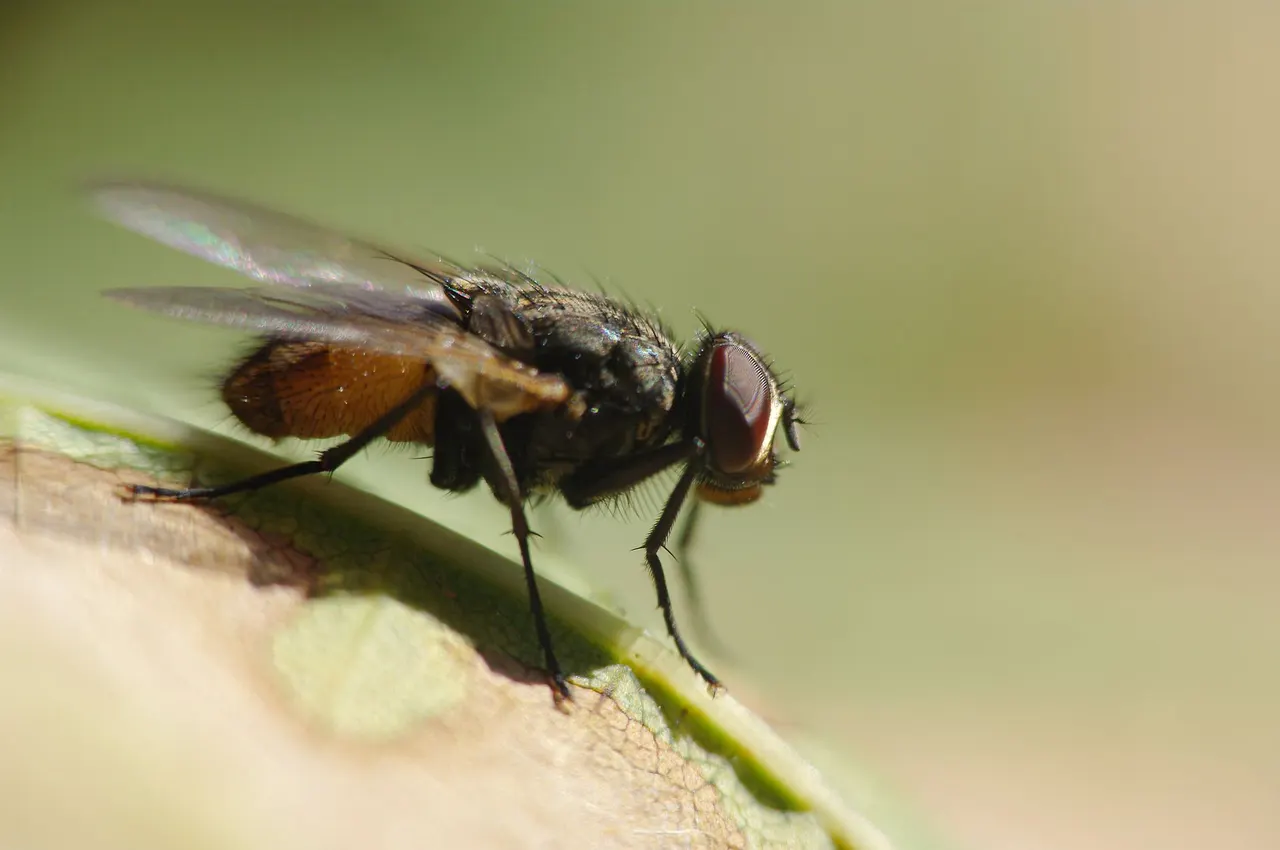
We have served customers for 46 years, since 1980, and bring that practical experience to Detroit warehouse conditions. Our technicians focus on inspection, identification, targeted treatment, and follow-up rather than relying on a single product for every facility. Pesticide application requires the appropriate Michigan Department of Agriculture and Rural Development Pesticide Applicator License, and our work follows product labels and applicable safety practices. We coordinate with your facility contact so pest control supports sanitation, inventory protection, and daily operations instead of competing with them.

We had mouse signs near two receiving doors and were concerned about cartons in the staging area. The technician checked the dock edges, mapped the devices, and showed us where a damaged sweep left a gap. The service notes made it easy to assign the repair, and our next check showed fewer signs in that zone.
Ant activity kept showing up near a drain and the staff break area. Aardvark traced the activity instead of treating every aisle, then pointed out a spill and a crack that needed attention. We appreciated getting specific locations and a follow-up plan that worked around receiving hours.
We needed a clear response after finding droppings behind pallet stock. The technician inspected the storage edge and nearby utility openings, placed traps where they could be checked safely, and explained what our team should report. The follow-up visit gave us a useful comparison rather than another generic treatment.
A warehouse visit commonly costs $180 to $450 for a limited inspection or targeted treatment, while larger programs can range from $450 to $1,500 or more per visit. Typical 2026 pricing in Detroit depends on square footage, pest type, severity, access, and monitoring frequency. We assess the facility and explain upfront pricing before work starts. Extensive exclusion repairs or repeated treatment for an established infestation add labor and materials.
The best plan is one that identifies entry routes, treats active pests, and measures results through documented follow-up. For a Detroit warehouse, ask whether the provider inspects dock doors, utility penetrations, waste areas, and product storage, and whether devices are mapped and checked. We tailor control to your pest and workflow, using targeted placements and practical sanitation or exclusion recommendations rather than relying on routine broad treatment alone.
A focused service visit often takes two to four hours, while a detailed inspection of a large facility can take 60 to 120 minutes before treatment. The total time depends on square footage, number of affected zones, access, and pest pressure. We coordinate with your site contact and explain any areas that need temporary access control. Monitoring continues on a schedule suited to the findings.
Yes, warehouses in Detroit can face mice, rats, cockroaches, ants, and stored-product insects, especially where doors, drains, waste, or incoming goods create access and food sources. Cold weather can push rodents toward heated interiors, while warm, damp conditions support insect activity. We check the building and its operating routines to identify the actual pest and control the conditions contributing to it.
Not seeing your question? Our local team can help you understand urgency, scheduling and what to expect.
Ask the local team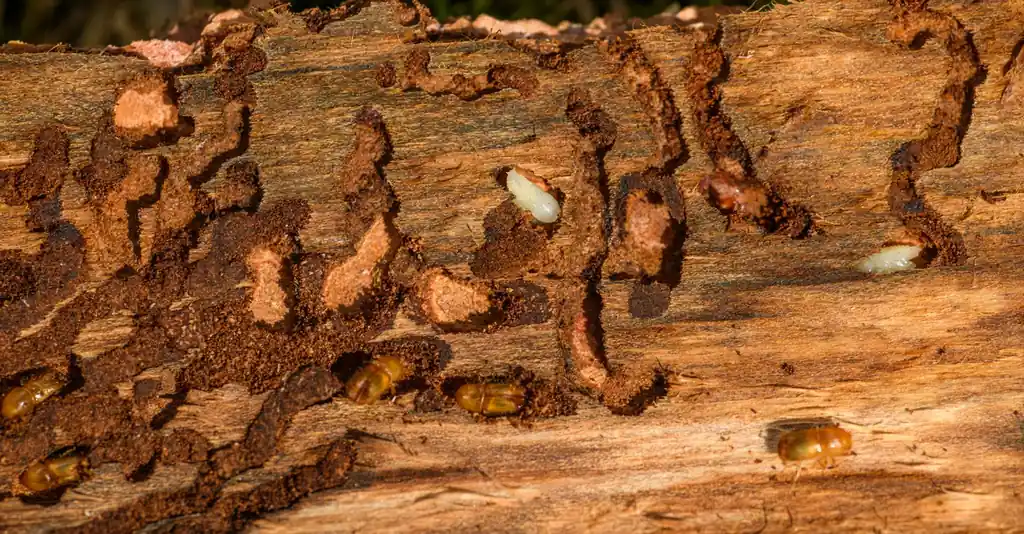
General Pest Control supports Detroit facilities with routine inspection and treatment for several common pests. It can complement warehouse service when offices, staff rooms, or adjoining spaces have different pressure than the storage floor. We tailor visits to the property rather than assuming one treatment covers every building zone.
View service
Rodent Control focuses on mice and rats entering through dock gaps, utility openings, and damaged exterior seals. In a Detroit warehouse, we map evidence, position secured devices, and identify openings that need correction. This focused service works alongside the broader monitoring plan for a facility.
View service
Mice Extermination addresses active mouse evidence, including droppings, gnaw marks, and nesting material around racking or receiving areas. We combine targeted trapping with inspection of access points and food sources. Your warehouse team receives practical guidance for reducing clutter and reporting new signs.
View service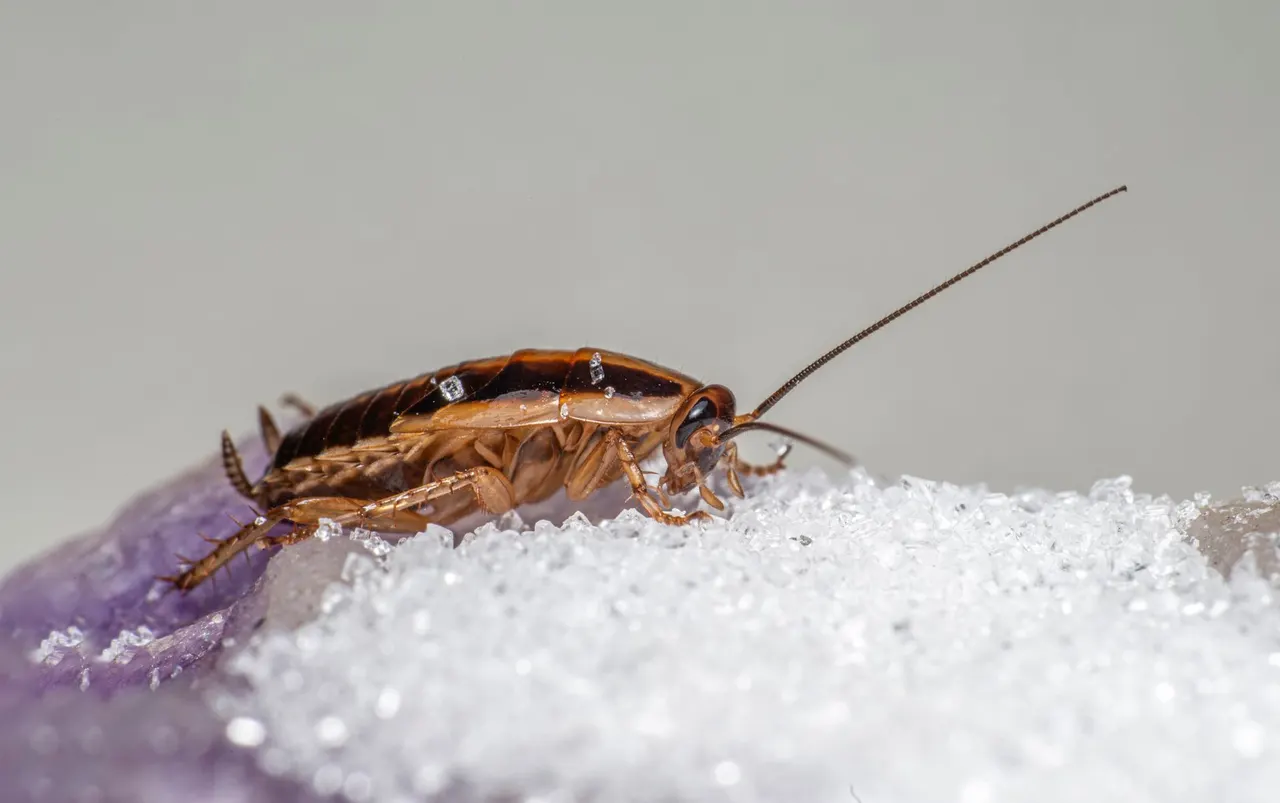
Rat Removal is suited to larger rodent activity around exterior waste zones, loading areas, and utility spaces. We investigate travel routes, use appropriate secured control devices, and recommend building corrections. In Detroit facilities, prompt attention helps keep rats away from stored goods and employee areas.
View serviceCall Aardvark Motown Pest Control at (313) 879-5917 to discuss insects, rodents, bed bugs, termites, or wildlife at your property. Our regular phone hours are Monday through Friday, 8:00 a.m. to 6:00 p.m.; leave a message outside those hours and include your Detroit neighborhood and the pest activity you noticed. We will respond during business hours.