Focused arrival windows
Useful updates and clear arrival timing.

General Pest Control in Detroit helps you stop recurring pest activity and address the entry points feeding it. We inspect homes, apartments, and commercial spaces, then match treatment to the pest, affected areas, and people or pets using the space. Our team serves Detroit, Michigan, with targeted applications, monitoring, and prevention steps that make sense for older buildings, changing seasons, and the pest pressure you are seeing now.
Useful updates and clear arrival timing.
Review the approach and price before deciding.
Equipped vehicles and respectful cleanup.
Neighbors serving neighbors with follow-through.
General service includes an inspection, identification of common pest activity, targeted treatment where appropriate, and prevention guidance for your Detroit property. Coverage depends on the pest and findings; bed bugs, termites, stinging insects, and wildlife require specialized services. We explain the areas treated and the follow-up signs to monitor, so you understand what the visit addressed.
We inspect rooms with reported activity and likely access points, including basements, kitchens, utility openings, door thresholds, and accessible foundation edges. This helps us identify pest evidence and conditions such as moisture or food sources before choosing a treatment.
We use methods suited to the pest and location, such as bait placement, traps, monitors, or a targeted application. The treatment follows label directions and accounts for occupants, pets, food areas, and the way you use the space.
Our technician points out accessible gaps, worn door sweeps, and openings around pipes that could allow pests inside. Where included in the service plan, we address suitable openings with sealants or exclusion screens and explain larger repairs you should arrange.
We identify what signs to watch and where to look after treatment. Monitors or traps can help show whether activity is declining over the next 7 to 14 days. If evidence continues, that information guides a focused follow-up rather than a repeat of the same treatment.
Share what is happening and receive a clear next step from the local team.
General Pest Control in Detroit is a preventive and corrective pest management service that identifies common pests, treats active activity, and reduces conditions that let them return. We inspect kitchens, basements, utility penetrations, storage areas, and exterior foundations, then select baits, traps, dusts, or targeted insecticides for the specific finding. Treatment is not a blanket spray: placement, product label directions, sanitation, moisture, and access all matter. We record activity and explain what you should monitor after service, so the next step is based on evidence rather than guesswork.
Detroit's mix of older brick homes, shared-wall apartments, restaurants, and warehouses creates many routes for insects and rodents to move between shelter, food, and water. A rodent infestation often starts near a foundation gap or utility line; a cockroach infestation may build around warm motors, drains, and food storage. Our exterminator service Detroit customers request begins with those site conditions. If you are searching for general pest control near me Detroit MI, we can assess the specific rooms and entry points driving the problem.
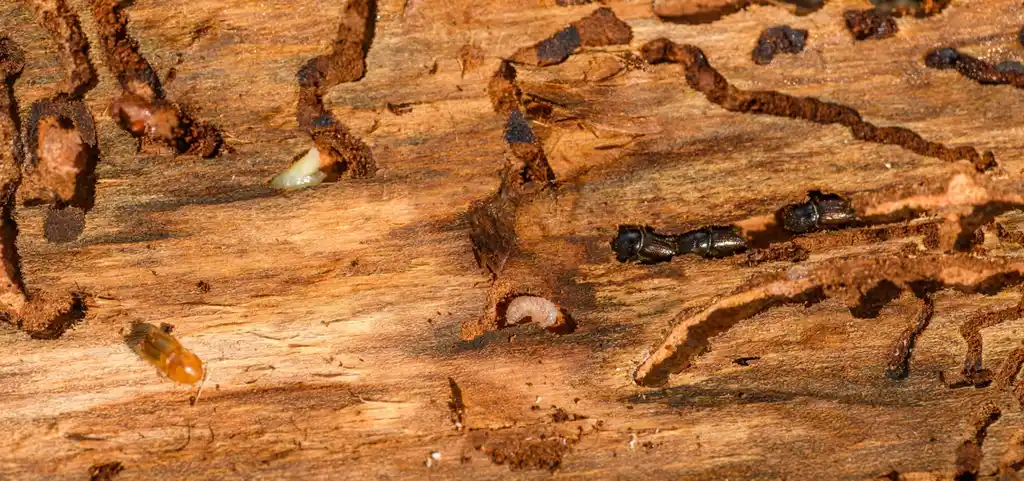
We start by asking what you have seen, where you found it, and when it appears. Your notes about droppings, damage, odors, or a repeated trail help us prioritize the inspection. We also ask about pets, children, food preparation, and recent repairs so treatment choices suit the space.
We examine likely harborages and access points, including cabinet voids, basement edges, pipe openings, door sweeps, and exterior foundation lines. The inspection typically takes 20 to 45 minutes for a modest home. We distinguish active evidence from old signs and explain what we find before applying treatment.
We select a method based on the pest and location: bait stations for some rodent activity, gel baits for suitable insect sites, or a labeled, targeted application where needed. We avoid treating blindly. You hear which areas will be serviced, what preparation matters, and how long to keep people or pets away if the label requires it.
Our technician applies the selected materials, sets appropriate monitors or traps, and addresses practical entry points with sealants or exclusion screens where the repair is within the service plan. A typical treatment visit takes about 1 to 2 hours. We leave work areas orderly and tell you what not to disturb.
Before leaving, we review the findings, treatment locations, and the signs you should watch over the next 7 to 14 days. Some pests respond quickly; others require monitoring or another visit based on activity and product directions. You can call us at (313) 879-5917 if the pattern changes or new evidence appears.

We use bait stations in suitable locations to manage rodent activity while keeping bait contained. Placement follows the site assessment and product directions, with attention to children, pets, and access by non-target animals.
Glue boards can monitor crawling insect activity in discreet, low-disturbance locations. Their catch pattern helps us identify travel routes and determine whether activity is concentrated near an appliance, wall edge, or storage area.
Snap traps are useful for targeted rodent control when placed along identified runways and protected from accidental contact. We position and check them based on the inspection, then explain how you should report catches or new signs.
We use sprayers only for appropriate, targeted applications and follow the product label for the site and pest. Application choice accounts for surfaces, ventilation, occupants, and whether baiting or exclusion is a better fit.
Vacuum units can remove accessible insects, webs, or debris during an inspection or treatment, helping clear a limited area without relying solely on a chemical application. We use them where the pest and surface make that method appropriate.
We begin with pest identification and site conditions, then combine targeted treatment with sanitation, moisture correction, monitoring, and exclusion guidance. This approach avoids treating every surface by default. For Detroit properties, it also accounts for shared walls, basements, deliveries, and seasonal movement.
We place baits where the target pest is active and use monitors to measure changes over time. Placement is based on evidence, not convenience, and follows label directions. You receive instructions about cleaning, access, and when to report continued sightings so the monitoring results remain useful.
We identify entry gaps and hiding places such as pipe penetrations, damaged door sweeps, cluttered storage edges, and foundation openings. Suitable small gaps may be addressed with sealants or exclusion screens under the service plan. Larger structural repairs are identified clearly so you know what remains.
When an application is warranted, we select a product and placement based on the pest, surface, and use of the area. Our technicians follow label directions for handling and access restrictions. We explain any required precautions before treatment and leave you with clear post-service guidance.
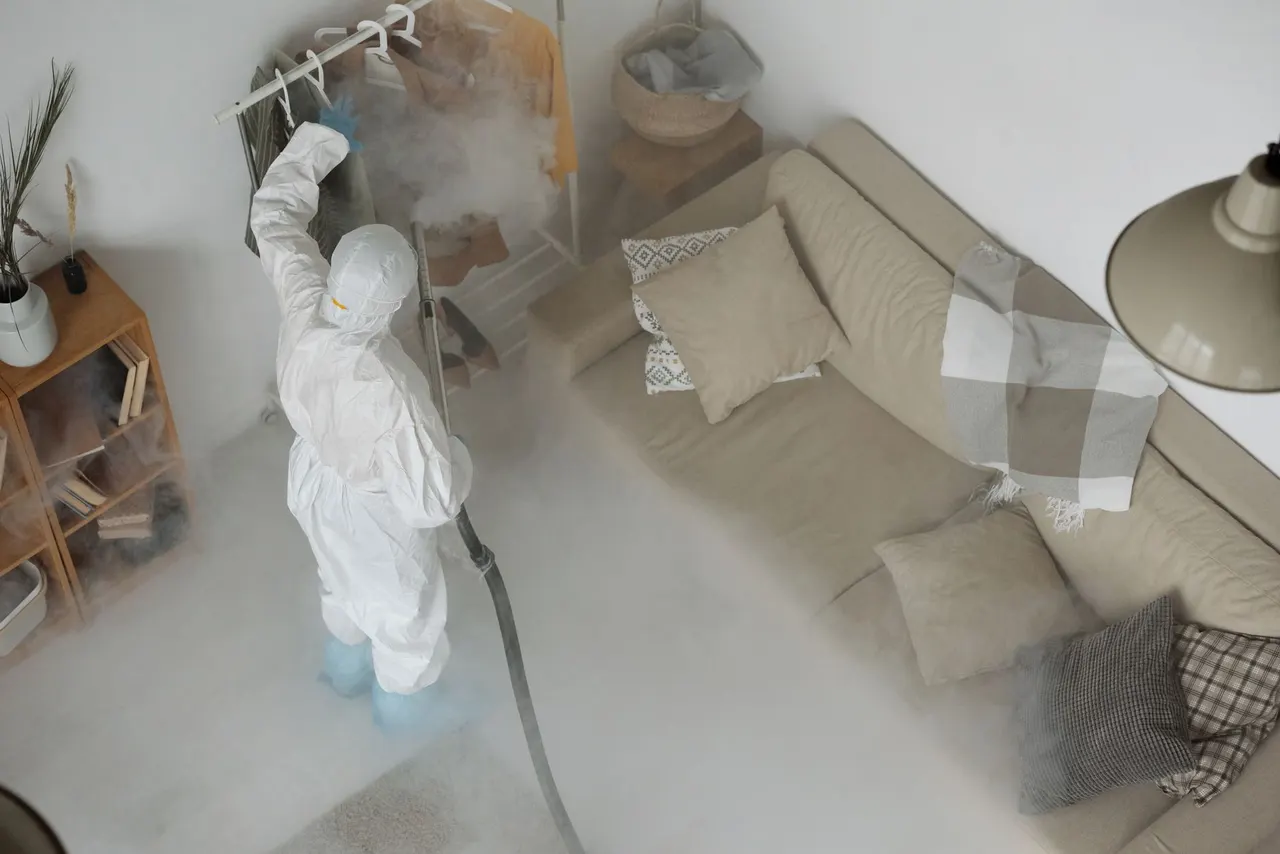
We inspect the basement and living areas to distinguish old evidence from current activity, then check accessible utility openings and storage conditions. If active pests are present, we set targeted controls and explain which gaps should be sealed. The inspection creates a starting point before boxes and furniture fill the rooms. You get a clear record of the areas checked, the signs present, and the next observations to make during the first 7 to 14 days.
We trace the trail, inspect plumbing penetrations and nearby food storage, and place appropriate bait where activity is concentrated. We explain how to clean adjacent surfaces without removing the bait and identify moisture or access conditions that could sustain the trail. You know what is being treated, what to leave in place, and how to tell whether the trail is declining rather than shifting to another counter.
We inspect the entrance, receiving area, waste zone, and nearby storage for pest signs and gaps. We choose controls that suit the workplace and avoid unnecessary treatment around desks or customer areas. We also recommend simple changes to door clearance and delivery-area housekeeping. Staff get a focused response with clear monitoring locations, while the business has practical steps to reduce pest entry during regular operations.
We check the basement perimeter, utility lines, and storage against the fresh evidence, then place traps or stations where appropriate. Our technician identifies likely access points and advises on exclusion measures. If the signs indicate a larger rodent issue, we recommend the dedicated control plan. You have a treatment and monitoring plan based on current evidence, along with specific entry points to address before winter pressure continues.
Detroit's long heating season changes where pests look for shelter. When outdoor temperatures fall below freezing, rodents seek warmth around basements, garages, and utility penetrations; during damp spring weather, ants and other insects may follow moisture indoors. Brick homes, older foundations, shared-wall apartments, and commercial loading areas each create different inspection priorities. Our exterminator service in Detroit Michigan starts by checking the building conditions behind the sighting, not just the room where you saw a pest. For general pest control services Detroit MI customers request, we inspect likely entry routes, food and water sources, and accessible harborages, then select a targeted plan. Downtown and Midtown properties may need attention to shared service spaces, while homes in Corktown or Indian Village can have older foundation and porch details worth checking. We serve Detroit, MI, and communities across Wayne County, and we adapt the visit to the property's use, access, and current evidence. Your technician explains treatment locations and the observations that will confirm progress.
Older homes and basement utility lines make foundation edges, pipe gaps, and storage corners useful inspection points when rodents or ants appear.
Apartments and shared-wall buildings require attention to plumbing penetrations and common service areas, especially when pests appear in more than one room.
Basements, garages, and changing seasonal conditions can influence rodent access; we inspect thresholds and utility openings alongside reported activity.
Busy commercial corridors and residential blocks call for careful checks around waste storage, deliveries, door gaps, and food preparation areas.
As temperatures drop, small gaps around service lines and door edges become important access routes. We check for fresh droppings, gnaw marks, and travel paths, then pair suitable traps with practical exclusion guidance.
Wet soil, damp storage, and pooled water can increase pressure near basements and entryways. We look for moisture sources and inspect the transition between exterior and interior areas before choosing a targeted treatment.
Settling, repairs, and layered construction can leave gaps that are not obvious from a room's center. We inspect accessible edges, pipe openings, and door sweeps, then identify which small openings can be addressed and which need a repair.
A homeowner in Corktown found ants along the sink and window ledge most mornings. The trail returned after wiping the counter, and a small gap around the plumbing remained unnoticed. Food containers and a damp cabinet base made the area attractive, but the visible ants gave no clear indication of where the colony was entering.
We traced the trail to the plumbing area, placed bait at the active route, and identified the gap for sealing. The homeowner reported no visible trail after 7 days and continued checking the original route for another week. The treatment addressed a specific path instead of coating the entire kitchen.
Maintenance: Keep food sealed, dry the sink area overnight, and leave bait locations undisturbed for the period explained by the technician. Check the original gap weekly and call if a new trail appears in another room.
A Detroit homeowner found droppings beside stored boxes and heard scratching near a basement utility wall. A crowded corner blocked access to the suspected route, and the exterior opening around a service line had not been inspected. The signs raised concern about contamination and possible damage to stored items.
We cleared inspection access, checked the utility opening, and placed snap traps along the verified travel area. At the follow-up check 10 days later, the monitored spots showed no new droppings. The homeowner also had a clear repair location and a better-organized storage edge for ongoing checks.
Maintenance: Keep a 6-inch inspection gap along the basement wall, store dry goods in closed containers, and report fresh droppings or gnawing promptly. Complete the identified opening repair to reduce the chance of renewed access.
An office near Downtown Detroit saw spiders and occasional insects in a storage room and beside the rear entrance. Boxes were stacked against the wall, and the door sweep left a visible gap. Staff had been removing webs, but new activity continued near the same entrance.
We inspected the storage perimeter and entry, removed accessible webs, and used monitoring to check activity near the door. After the door gap was corrected and boxes were moved 12 inches from the wall, staff reported fewer sightings over the next 2 weeks. The changes also made routine inspection easier.
Maintenance: Keep stored materials off the wall, check the door sweep monthly, and avoid leaving waste beside the entrance overnight. Report new insect activity by location so follow-up can focus on the source.
A recurring pest sighting often points to a hidden route, food source, or harborage. Our team checks those conditions and builds a practical response for Detroit homes and businesses, including customers comparing pest extermination services in Detroit MI.
The trail can lead to an unseen nest or entry gap, while exposed food and moisture continue drawing workers into preparation areas. We follow the trail toward its access point, inspect nearby pipe openings and window frames, and use a suitable bait or targeted control. We also explain how to remove competing food sources without disturbing bait placement. That combination addresses the route and helps you judge whether activity is dropping.
Rodents can contaminate stored items, damage wiring or packaging, and keep returning if a small foundation or pipe opening stays accessible. We inspect the affected storage area, identify likely travel paths, and place appropriate traps or bait stations where conditions allow. We point out gaps to seal and advise you to remove clutter that blocks inspection. Monitoring gives us a concrete way to check for fresh signs.
Warmth, water, and food residue can support a cockroach infestation, and sightings in more than one room may indicate hidden harborage nearby. We inspect under sinks, around appliance voids, and near drains, then use monitoring and targeted bait placement suited to the site. We discuss cleaning and moisture corrections that support treatment. If findings show a larger or specialized infestation, we explain the focused cockroach service needed.
Repeated sightings often indicate gaps or a steady supply of smaller insects, making the same rooms uncomfortable and difficult to keep clear. We check door sweeps, window edges, basement storage, and exterior lighting, then remove accessible webs and apply targeted controls where suitable. We also identify entry gaps and storage changes that improve inspection access. You receive a short list of follow-up signs to track.
$125 - $450 for many standard residential visits; larger properties and specialized infestations cost more
Typical 2026 pricing for a General Pest Control visit in Detroit ranges from $125 to $450 for many standard residential jobs. The final amount depends on property size, pest type, severity, access, and the number of areas needing treatment or monitoring. A larger commercial site or a persistent infestation can cost more, while a limited, well-defined issue may need less work. Our exterminator service Detroit customers book begins with inspection and a clear explanation of the price before treatment. Specialized bed bug, termite, wildlife, and stinging-insect work is priced separately.
A focused inspection and treatment plan helps direct spending toward the pest, access point, and affected areas. You receive upfront pricing before treatment, plus practical monitoring steps that make it easier to see whether the work is producing a change.
More rooms, levels, storage areas, or shared spaces require additional inspection time and treatment points. A compact apartment with activity in one kitchen is different from a multi-level home with basement, garage, and exterior findings. Access to those areas also affects how efficiently the work proceeds.
A few ants at one entry point need a different plan from a widespread cockroach infestation or repeated rodent evidence. The pest's biology, where it hides, and how quickly it reproduces determine the tools, amount of monitoring, and follow-up work required.
Blocked utility lines, crowded storage, or difficult-to-reach voids can add inspection and treatment time. Clearing a small access path before the visit helps us see the wall edge and place monitors correctly. Food areas also need preparation that suits the selected method.
Some problems respond to one visit, while others need checks to confirm that activity has stopped or to address new evidence. Monitoring intervals and the number of affected units influence the total. We recommend follow-up based on findings rather than an automatic schedule.
Small exclusion work, such as sealing a suitable gap, may be included when it fits the plan; larger door, masonry, or structural repairs require additional work. Addressing access can reduce repeat activity, but the repair needs to match the opening and building material.
Aardvark Motown Pest Control has served customers since 1980, bringing 46 years of local operating experience to pest work in Detroit. Our technicians inspect first, identify the pest accurately, and use products according to their labels and applicable requirements. We build each plan around the property rather than applying the same treatment everywhere. That means looking at building conditions, occupant needs, sanitation, moisture, and pest biology before choosing a control method. You get a practical explanation of the findings and the steps that help keep activity from returning.

We kept seeing ants along the kitchen window and around the sink. The technician checked the pipe opening and the outside wall, then placed bait where the trail was active. He explained what to clean and what to leave undisturbed. Within the next week, the line of ants was gone, and we knew which gap to keep an eye on.
I found droppings beside a basement storage shelf and heard scratching at night. The technician inspected the utility openings, set traps in the travel area, and showed me where the mice were likely getting in. We also got clear cleanup instructions. The follow-up check found no new signs in the monitored spots.
Our small office had spiders showing up in the storage room and near the back entrance. The technician checked the room corners, door gap, and exterior lights instead of spraying the desks. We received a short list of changes for boxes and door clearance. The targeted work made the storage space easier to keep under control.
General pest control commonly addresses ants, spiders, occasional invading insects, and some rodent activity, depending on inspection findings and the service plan. We inspect entry points, harborage, and conditions that support pests, then choose suitable traps, baits, or targeted applications. Bed bugs, termites, wildlife, and severe infestations often need specialized treatment. Our technician identifies what is present at your Detroit property and explains the appropriate service before work starts.
Most homes with recurring pressure use visits every 1 to 3 months; a one-time treatment can suit an isolated issue. The right interval depends on pest type, building access, nearby activity, and whether monitoring shows new evidence. For monthly pest control Detroit MI properties with persistent activity may need, we use inspection results to set the schedule rather than assuming every customer needs monthly visits.
Typical 2026 pricing in Detroit ranges from about $125 to $450 for a standard visit, with larger or complex treatments costing more. The price depends on property size, pest type, severity, access, and whether follow-up is needed. A single-room ant issue differs from a multi-unit rodent problem. We explain the price upfront before treatment so you can choose a plan that matches the findings.
Monthly service is useful for some active or high-pressure properties, but many homes do not need it year-round. A technician may recommend visits every 1 to 3 months when monitoring shows continuing activity, repeated access, or conditions that replenish pests. After an isolated problem is controlled, less frequent checks may be enough. We base the schedule on evidence from your property and the pest's life cycle.
Not seeing your question? Our local team can help you understand urgency, scheduling and what to expect.
Ask the local team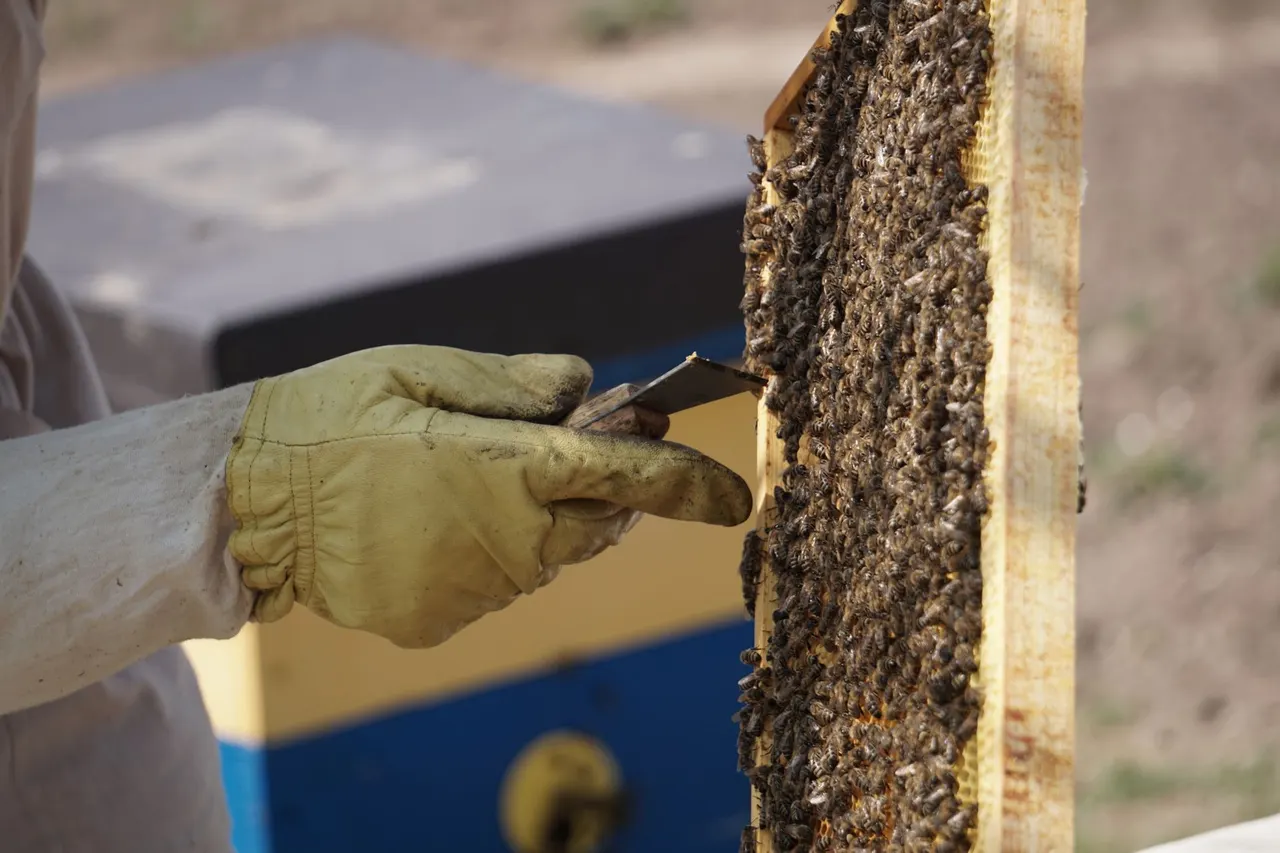
Rodent control adds focused inspection and exclusion when droppings, gnawing, or scratching suggest mice or rats. For Detroit properties, we check foundation gaps, garage doors, and utility lines, then use suitable traps or stations and identify repairs that reduce access.
View serviceMice often use gaps around pipes, basement windows, and door thresholds to enter Detroit homes. Mice extermination combines identification, trap placement, and practical exclusion guidance. General service can reveal the route; this focused work targets active mouse signs and helps reduce repeat entry.
View service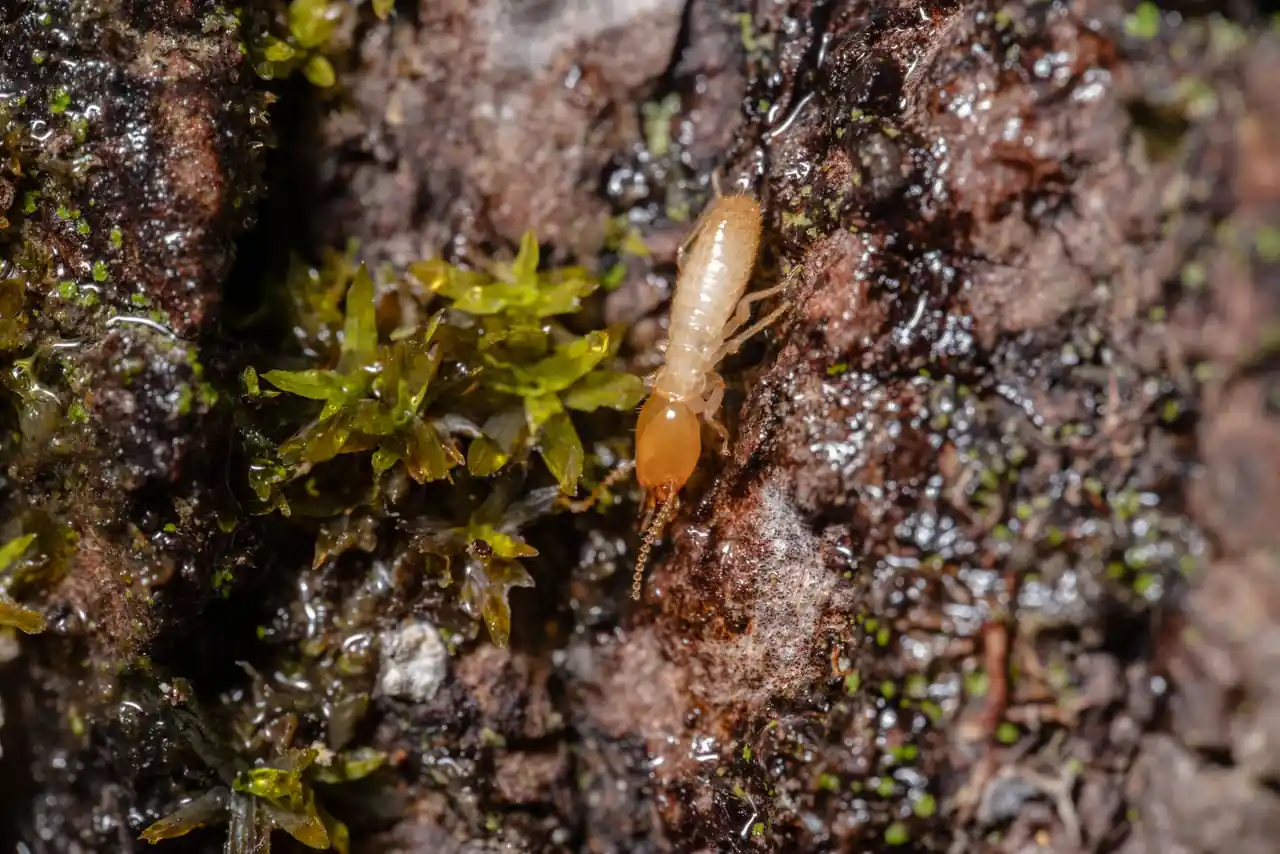
Rat activity needs careful assessment because exterior food sources, burrows, and building openings can sustain the problem. Our Detroit rat removal work identifies travel routes and likely access, then uses appropriate traps or bait stations with attention to children, pets, and nearby activity.
View service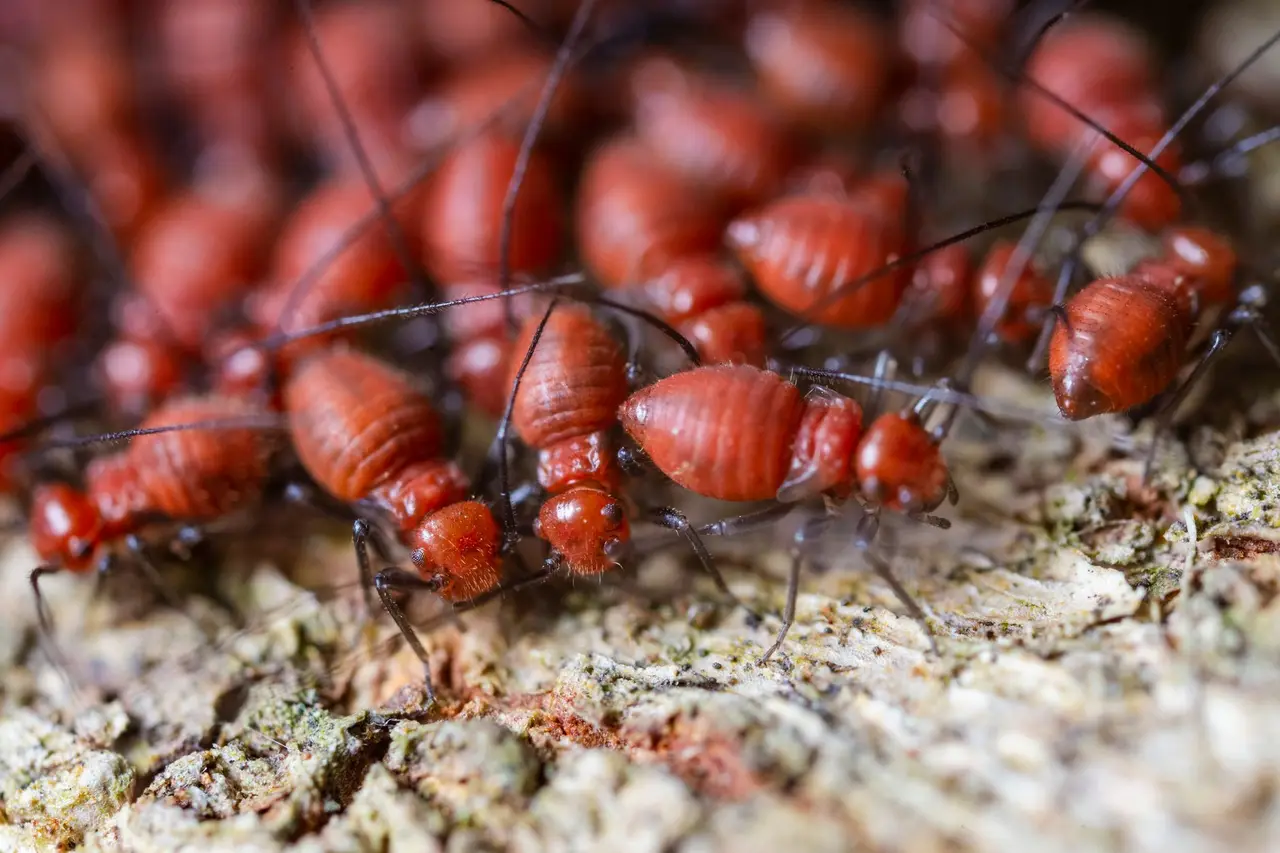
A cockroach infestation calls for targeted inspection around warm equipment, plumbing, and food storage. Cockroach extermination in Detroit may use monitoring, carefully placed baits, and sanitation corrections rather than broad surface spraying. We look for the harborages that support continued activity.
View service
Call Aardvark Motown Pest Control at (313) 879-5917 to discuss insects, rodents, bed bugs, termites, or wildlife at your property. Our regular phone hours are Monday through Friday, 8:00 a.m. to 6:00 p.m.; leave a message outside those hours and include your Detroit neighborhood and the pest activity you noticed. We will respond during business hours.