Focused arrival windows
Useful updates and clear arrival timing.

Pest Control in Corktown means finding how pests enter, treating the active problem, and closing the route that lets it return. We help residents and businesses across the Corktown Historic District, North Corktown, and South Corktown, from historic row houses to renovated lofts. Our inspections account for older plumbing, foundation gaps, construction activity, and the different access needs of each property in Detroit, Michigan.
Useful updates and clear arrival timing.
Review the approach and price before deciding.
Equipped vehicles and respectful cleanup.
Neighbors serving neighbors with follow-through.
Pest Control in Corktown is a property inspection and treatment service that identifies pest activity, removes or controls it, and addresses access points that support recurring problems. Aardvark Motown Pest Control works throughout the Corktown Historic District, North Corktown, and South Corktown, where older row houses sit alongside renovated lofts and new developments. We inspect the building you have, not an imagined template. A gap around a utility line, a basement drain, or a shared wall each calls for a different plan.
Our Corktown Pest Control visits begin with questions about where you saw activity and when it appears. We check kitchens, basements, storage areas, exterior foundations, and relevant utility penetrations, then identify whether the issue involves rodents, ants, cockroaches, bed bugs, or another pest. We use monitors, traps, targeted baits, and appropriate insecticides according to the pest and site conditions. Your technician explains the treatment steps and what you should do afterward.
The company was founded in 1980 and has served Detroit for 46 years. We bring that working knowledge to Corktown properties and serve nearby ZIP codes including 48216 and 48209. From a single mouse entry point to a recurring restaurant pest issue, we focus on practical findings and a clear next step.
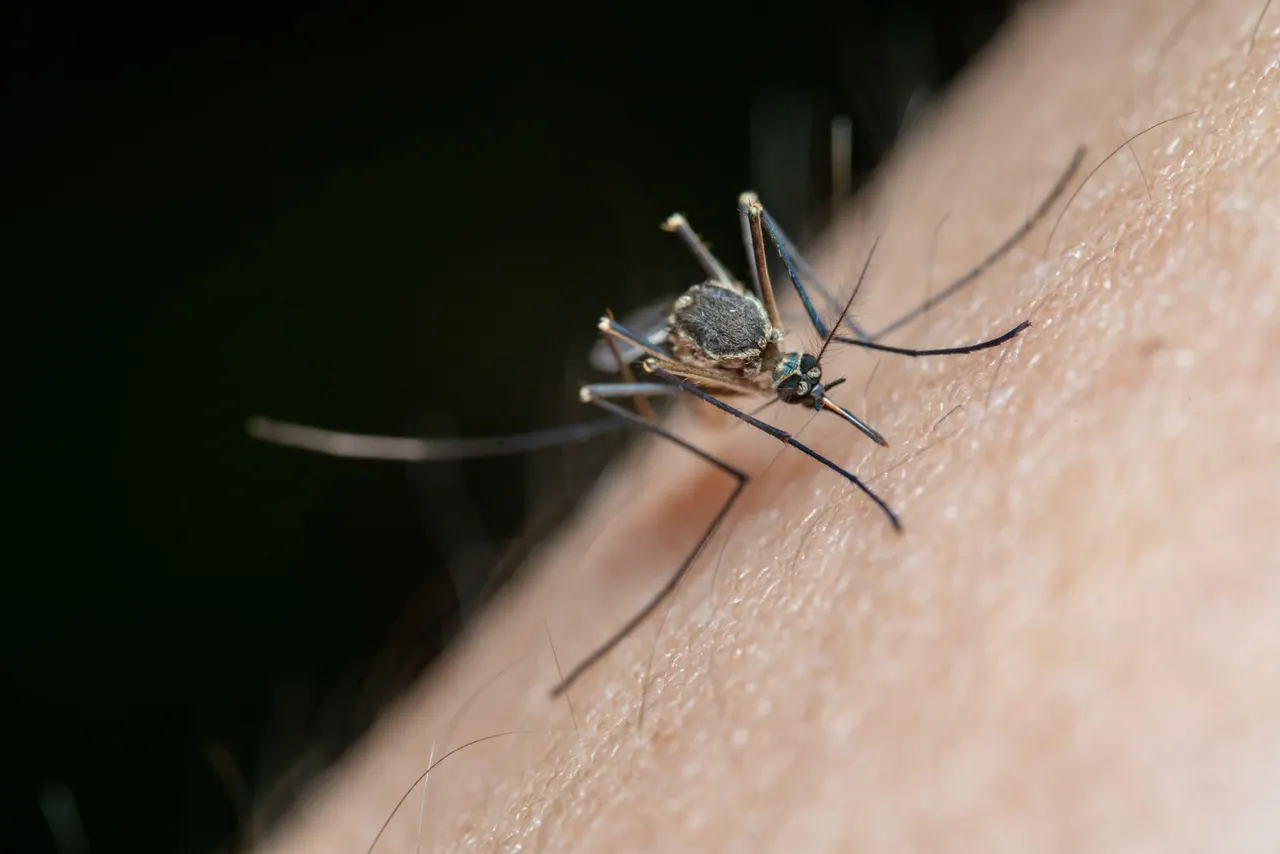
Pest activity in Corktown ranges from mice entering older foundations to ants and cockroaches inside kitchens, apartments, and commercial spaces. Aardvark Motown Pest Control matches the inspection and treatment to the pest, building layout, and access points we can verify. For affordable pest control in Corktown, we focus the visit on the source and the conditions that keep the problem going, not a one-size-fits-all application. We also handle bed bugs, stinging insects, termites, mosquitoes, and nuisance wildlife, with service plans built for homes and businesses.
Our General Pest Control service starts with an inspection of the rooms and exterior areas where you see activity. In Corktown row houses and renovated lofts, we check kitchens, basements, entry gaps, and utility lines before choosing targeted treatment. You get clear instructions for preparation and follow-up, with the plan matched to the pests found.
View service →02Rodent Control in Corktown addresses droppings, gnawing, scratching, and travel paths around foundations or shared walls. We inspect likely entry points in older buildings, place appropriate traps or bait stations, and recommend exclusion work such as sealing accessible gaps. The goal is to reduce active rodent pressure and prevent easy re-entry.
View service →03For Mice Extermination, we look for droppings behind appliances, in basement storage, and near plumbing penetrations common in older Corktown properties. We use a measured combination of snap traps, monitors, and exclusion recommendations based on the evidence. You receive practical placement and sanitation guidance that supports the treatment after the visit.
View service →04Rat Removal begins with locating the activity and checking exterior access around the building, refuse storage, and foundation openings. Corktown properties near active construction or vacant lots still need an evidence-based inspection; we do not presume the cause. Our technician selects suitable traps or bait stations and explains how to protect pets and occupants.
View service →05Cockroach Extermination focuses on harborage, moisture, food access, and routes between rooms or units. In Corktown kitchens and mixed-use buildings, we inspect cabinets, appliances, plumbing spaces, and shared areas when accessible. Targeted baits and monitoring help us measure activity while reducing unnecessary treatment in occupied spaces.
View service →06Ant Control starts by tracing trails to entry points and identifying where ants are feeding or nesting. We inspect window and door edges, foundation transitions, and kitchen surfaces in Corktown homes and businesses. Treatment is selected for the ant activity observed, with simple steps for food storage and moisture control to limit repeat trails.
View service →07Spider Control includes checking corners, basement storage, window wells, and exterior openings where insects and spiders gather. In Corktown's older homes and loft spaces, we remove accessible webs, inspect likely insect entry routes, and use targeted treatment where appropriate. Reducing other insect activity and cluttered harborage helps make the result last.
View service →08Bed Bug Treatment begins with a careful inspection of mattress seams, bed frames, upholstered furniture, and nearby cracks. We confirm signs before recommending treatment, which is important in Corktown apartments and converted buildings with shared walls. You receive preparation guidance and follow-up steps designed around the inspected rooms and observed activity.
View service →09Bed Bug Heat Treatment uses controlled equipment and temperature monitoring to treat confirmed bed bug activity in the designated space. We plan access and preparation with you, then check treatment conditions at multiple points rather than relying on a single room reading. The service is suited to Corktown homes and apartments where the inspection supports heat as the right option.
View service →Corktown Pest Control starts with a practical inspection, not a blanket spray. We ask where you saw activity, inspect the likely harborage and entry route, and choose the least disruptive effective method. In historic row houses and Victorian homes, older plumbing and foundation gaps deserve a close look; in renovated lofts and new developments, we check service penetrations, shared spaces, and exterior transitions. Rodent issues from nearby construction are possible, but we verify activity at your property before acting. Our technicians plan around building access, occupied rooms, deliveries, and business hours. A standard inspection often takes 30 to 60 minutes, while a treatment visit can run 1 to 3 hours depending on the pest and property size. We use bait stations, snap traps, monitors, and targeted insecticides where appropriate. For safe placement, we keep products away from food surfaces and follow label directions and applicable requirements. We can discuss same-day pest control Corktown MI for urgent activity when scheduling permits. Corktown streets and access differ from one property to the next, so we confirm the entrance and any parking or loading instructions before arrival. After inspection, we tell you what we found, what we treated, and what signs to watch for over the next 7 to 14 days.
A small opening around a pipe or a loose basement threshold can let mice travel between sheltered voids and living space. In Corktown's older homes, activity may appear far from the actual entry point, so treating only the room where you saw droppings can miss the route. We inspect plumbing penetrations, foundation edges, door sweeps, and accessible basement spaces, then map signs such as rub marks and droppings. Traps or bait stations address verified activity, while suitable sealants or exclusion screens close accessible gaps after the route is understood. We also explain what to monitor.
Nearby work or land conditions can alter shelter and access for rodents, but they do not prove where a specific infestation began. A property may show fresh activity at a garage, foundation, or waste area while the actual entry remains hidden. We check the customer's building and its immediate perimeter for current evidence, including tracks, gnawing, and droppings. We identify likely access points, place monitoring or traps where they make sense, and recommend sanitation or exclusion steps that the owner can control.
Finished walls, original trim, additions, and modern service runs can conceal pest routes. A treatment that ignores the building layout may miss connected spaces or place products where residents and staff do not need them. We inspect accessible voids and transitions, ask about renovation history, and use monitors or targeted tools to narrow down activity. Our technician discusses access before treatment and selects an approach that protects occupants while reaching the affected areas.
Pesticide application in Michigan must follow product label directions and applicable state requirements. We select products for the target pest and site, apply them according to their labels, and explain any re-entry or handling directions that apply to your Corktown property.
Federal pesticide labels specify approved use sites, application rates, protective measures, and other restrictions. Our technicians follow those directions during Corktown treatments and avoid applying a product in a way or location that its label does not permit.
Corktown's Michigan winters bring freezing conditions, while warm, humid stretches in summer create different pest pressures. Historic row houses and Victorian homes may have older plumbing, foundation gaps, and layered repairs; renovated lofts and new developments have their own service penetrations and shared building routes. These features make inspection important, but they do not prove a pest is present. Our Corktown exterminator service checks for evidence and treats the specific problem found, whether it is rodents, ants, cockroaches, or seasonal insects.
Aging mortar, worn door edges, and openings around plumbing can provide access to sheltered spaces. As temperatures fall, mice may explore warmer interiors. Construction activity and vacant lots can change nearby conditions, but an inspection is needed to determine whether a particular building has an active rodent route. We look for droppings, gnawing, rub marks, and openings at the affected building. Protected traps or bait stations address confirmed activity, while suitable exclusion materials close accessible entry points. We give you a monitoring plan so fresh signs are easier to spot.
Food residue, water, warm appliance spaces, and connected utility routes can sustain cockroach activity. In multi-unit buildings, insects may travel through plumbing or wall penetrations, so a single visible roach does not reveal the full route or source. We inspect kitchen and bathroom harborage, confirm the pest, and use targeted baits and monitors where appropriate. We explain sanitation and moisture steps, then review activity rather than applying product broadly. Building coordination helps address relevant shared spaces.
Seasonal warmth and access to food or moisture can bring ants indoors through small openings. A trail may cross a threshold or follow a utility line, making the entry easy to miss if treatment focuses only on the ants seen on a counter. We trace the trail, identify the likely entry route, and choose targeted control based on the ant activity. We advise on sealed food storage and moisture reduction, then recommend monitoring. Closing the route after identifying it helps reduce repeated trails.
Containers, blocked drainage, and low outdoor spots can hold water long enough for mosquito development during warm months. Rainfall can refill these areas, so an earlier cleanup may not keep them dry if the source remains. We inspect outdoor areas for standing water and identify what can be emptied, covered, or corrected. Where treatment is appropriate, we target relevant resting or breeding locations and explain product directions. Removing water sources is an important part of reducing repeat activity.
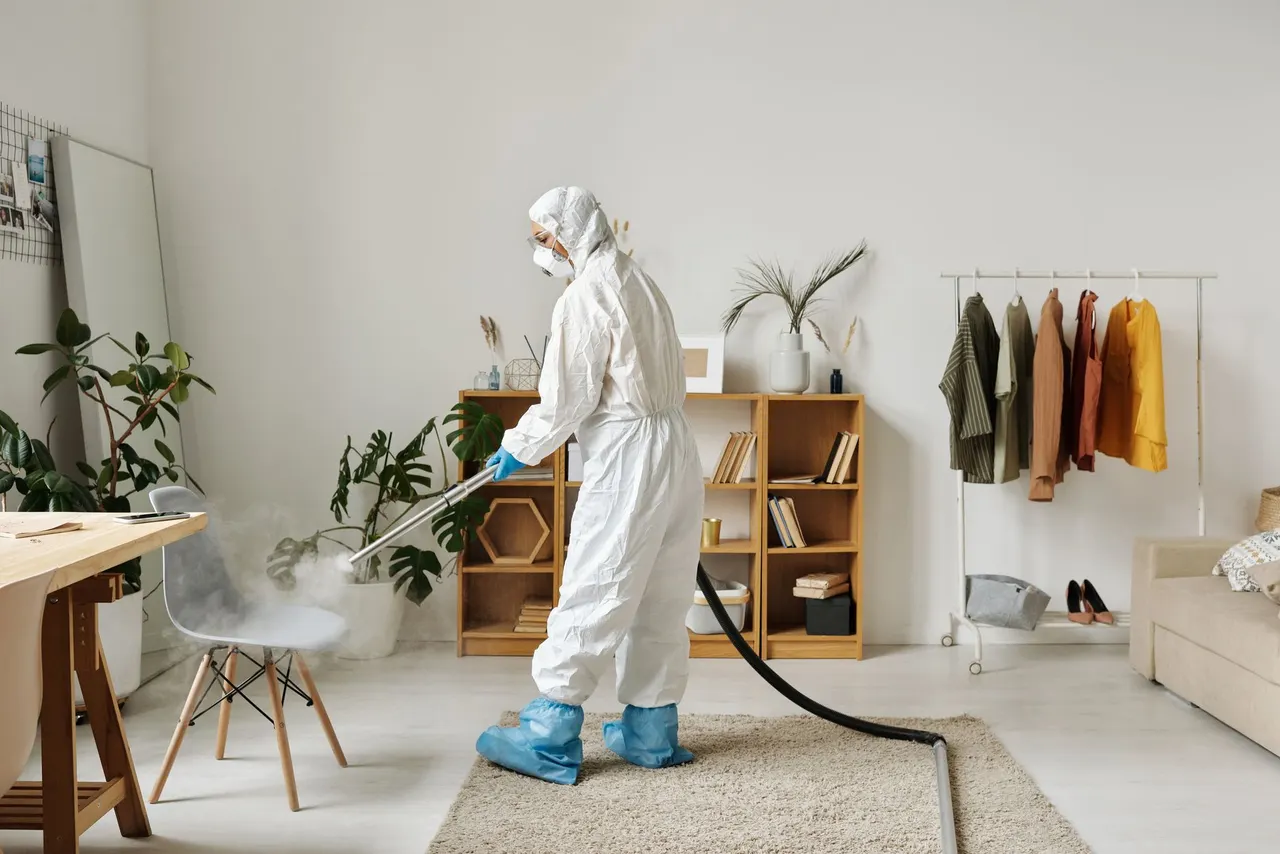
Typical 2026 pricing in Corktown depends on the pest, the property size, the number of affected areas, and whether exclusion or follow-up visits are needed. A focused inspection and treatment for a minor insect issue may run about $180 to $350; a more involved rodent plan with several entry points may cost $250 to $650. Bed bug work, wildlife removal, and termite treatment require a property-specific assessment and can cost more. Pest Control near Corktown should begin with identifying the target and the work involved, not an arbitrary flat promise. We explain pricing before treatment so you know what the visit covers.
A localized ant or spider treatment usually takes less time and product than bed bug treatment, termite work, or wildlife exclusion. The pest's life cycle and the location of activity determine whether monitoring, repeat visits, heat equipment, or structural access is needed.
A small apartment with one affected room differs from a multi-level Corktown house with basement, attic, and several entry points. Restricted access, shared spaces, heavy storage, and the number of inspected zones affect the labor required and the treatment plan.
Sealing gaps, installing screens, adding monitoring, or returning to assess activity adds work beyond a single treatment. We identify relevant steps during inspection and explain the cost before proceeding, so you can understand how each part relates to the pest problem.
Our technicians use familiar Corktown landmarks to orient the route and confirm the correct part of the neighborhood. Michigan Central Station and Roosevelt Park help distinguish nearby blocks, while the Old St. Patrick's Church area is another recognizable reference point. We confirm your exact address and entrance rather than treating a landmark as a service location. Corktown service includes ZIP codes 48216 and 48209; nearby Detroit service routes also include 48208.
Michigan Central Station is a prominent Corktown landmark that helps orient visitors to the surrounding area. Providing it as a nearby reference, along with your street address, can help clarify which block and entrance a technician should use.
Old St. Patrick's Church is a recognizable Corktown landmark. It can serve as a general orientation point when describing a nearby street, but the service address and building entrance remain the details needed to locate your property.
Roosevelt Park sits by Michigan Central Station and offers a clear geographic reference in Corktown. Mentioning the park can help identify the general area during booking; we still confirm the precise address and access instructions.
Corktown Commons is a local green space that can help customers describe their general location. It is an orientation point only; we use your exact property address to plan arrival and identify the correct entrance.
Slow's Bar BQ is a familiar Corktown business and an easy reference point when giving general directions. Customers can pair it with a street name to clarify the area, while our technician navigates to the service address.
Michigan Avenue is a recognizable commercial corridor in Corktown, with restaurants and other businesses among nearby residential properties. Business owners can share operating hours and delivery access when arranging pest service.
Corktown's local business spaces include food service, retail, and professional uses. Each property has its own receiving, waste, and customer-access setup, which our technician considers when planning an inspection.
The station is a major Corktown reference point near Roosevelt Park. We use it for general orientation, then follow the service address and entrance directions provided by the customer.
Michigan Avenue provides an important route through Corktown and helps orient visits to nearby blocks. Customers should provide the exact street number and any loading or parking instructions.
Aardvark Motown Pest Control serves homes and businesses throughout Corktown, including the Corktown Historic District, North Corktown, and South Corktown. Building age and renovation history vary block by block, so we inspect the actual property rather than assuming every address has the same pest pressure. We also serve customers near the area's recognized landmarks and along local residential and commercial streets.
Historic homes and established streets often have a mix of original features and later repairs. We check basements, foundation transitions, utility lines, and exterior trim for pest access, then distinguish active signs from old damage. Your treatment plan accounts for the building's materials and occupied spaces. We coordinate the address and entry instructions before arrival, then inspect the relevant interior and exterior areas during the visit.
North Corktown includes varied residential properties and newer development alongside older building stock. We look for current rodent or insect evidence at the specific address, especially around storage, foundation edges, and service openings. We do not treat neighborhood context as proof of an infestation. Our Detroit service routes include North Corktown; share access details so we can reach the correct entrance efficiently.
South Corktown properties can include houses, apartments, and commercial spaces with different access and operating needs. We tailor inspections to the affected rooms, shared areas, and exterior features, with particular attention to food storage, plumbing, and basement conditions when relevant. We serve South Corktown by scheduled visit and can plan around residents, staff, deliveries, or property access requirements.
Across Corktown's residential streets, Victorian homes, row houses, and renovated properties may have distinct pest entry routes. We check the signs you report, inspect likely harborages, and explain focused treatment options. For multi-unit buildings, coordination helps address relevant shared spaces as well as the affected unit. Tell us the nearest cross street and building entrance when booking; that helps our technician find your Corktown address.
These examples show how a pest visit should connect observed signs to a practical treatment plan. Each property calls for its own inspection, and results depend on the pest, access, and follow-through. We explain what we find, what we treat, and what to watch next. The cases below are illustrative service scenarios, not customer testimonials or claims of recorded outcomes.
A Corktown row house owner reported fresh mouse droppings near basement plumbing and scratching behind a kitchen cabinet. We inspected the basement, kitchen, and accessible pipe openings, then identified a likely travel route between the utility area and cabinet void. We placed snap traps in protected positions, added monitoring, and showed the owner two accessible gaps to seal. We also reviewed food storage and how to check the monitors without disturbing them. The example plan uses 3 monitoring points and a 7-day check interval. Follow-up depends on fresh activity; the owner can compare signs and report any new droppings or trap captures.
A renovated Corktown apartment reported small cockroaches near the sink and refrigerator after repeated sightings over several evenings. We inspected cabinet hinges, appliance edges, plumbing penetrations, and accessible shared-area transitions. After confirming signs, we used targeted bait placements and monitors rather than broad application across the kitchen. We explained cleaning and moisture steps and gave the resident a simple record sheet for monitoring activity over the next two weeks. The example treatment focused on 4 kitchen inspection zones, with monitoring reviewed after 14 days. The follow-up reading guides any additional targeted work rather than assuming the first visit ends the issue.
A small Corktown restaurant noticed ant trails near a rear entry and a dry-storage shelf during a busy service week. We traced the visible trail, checked the threshold and nearby storage, and identified a likely exterior-to-interior route. We applied an appropriate targeted bait strategy away from food-contact surfaces, reviewed stock rotation, and recommended closing the door sweep gap. The visit was planned around the business's operating schedule. The illustrative plan covered 2 confirmed activity zones and set a 10-day monitor review. Staff could track whether trails returned and keep the service entrance clear during deliveries.

We heard scratching near the basement and found droppings beside an old pipe opening. The technician checked the basement and kitchen, explained the likely route, and placed traps where our dog could not reach them. We also got clear instructions on what to seal and what to watch for during the next week. The visit felt practical and specific to our house.
Ants kept appearing by our back door and pantry. The technician followed the trail instead of spraying every surface, then showed us the small gap at the threshold and where to keep food sealed. We appreciated the direct explanation and the monitoring plan. It was easy to arrange service around our workday in North Corktown.
We needed help with roaches in a renovated apartment and were concerned about the shared walls. The inspection covered the sink, refrigerator, and cabinet edges, and the treatment was focused. We received preparation steps and a two-week check plan. The technician answered our questions without making assumptions about the whole building.
As November brings colder nights to Detroit, rodents look for protected spaces and homeowners often notice activity in basements, kitchens, and garages. Corktown's older homes can make entry points less obvious, so check door sweeps and utility gaps before winter settles in. Across the year, spring and summer bring more insect activity, while fall and winter shift attention toward indoor pests. For 24/7 pest control Corktown near me searches, call to report the pest and location; urgent scheduling depends on current availability.
Warming weather brings ants and other insects into active search for food and shelter. Rain can leave water in outdoor containers and low spots, encouraging mosquitoes later in the season. Inspect foundation edges and door thresholds for new trails or openings.
Warm, humid weather increases mosquito and stinging-insect activity. Ants may follow food trails indoors, while wasps can build nests around eaves and sheltered exterior spaces. Outdoor dining and open doors can also create easy access to kitchens.
As temperatures drop, mice and other rodents explore sheltered indoor routes. Corktown homes with older foundations or plumbing openings should be checked for fresh droppings, gnawing, and gaps near utility lines. Stored goods and garage clutter can conceal activity.
Freezing temperatures keep many pests less active outdoors, but rodents can remain active inside heated buildings. Scratching in walls, droppings in cupboards, and gnawed packaging are warning signs. Indoor cockroach activity can continue wherever food, moisture, and warmth remain.
Corktown is part of Aardvark Motown Pest Control's wider Detroit service area. Our routes connect nearby neighborhoods and business districts, allowing customers to reach the same company for home, apartment, restaurant, and commercial pest needs. We serve Corktown and nearby communities throughout Wayne County; the distance and route vary by address and traffic. Use the pages below to explore related coverage.

Downtown Detroit is immediately northeast of Corktown, with a short local trip between the districts depending on the starting address and traffic.
Local coverage and details
Midtown lies northeast of Corktown across central Detroit. Customers and businesses in both areas are part of our Detroit service region.
Local coverage and details
Mexicantown adjoins the broader southwest Detroit area near Corktown, creating a connected local service route for residential and business visits.
Local coverage and details
Greektown is northeast of Corktown in central Detroit. Travel time depends on the specific address and current street conditions.
Local coverage and detailsThe right Corktown contractor should explain what will be inspected, how the pest will be identified, and why the proposed treatment fits your building. Ask about licensing, product labels, access, and follow-up rather than accepting a broad promise to spray everything. A good answer is specific to your symptoms and property: a Corktown Victorian home, renovated loft, restaurant kitchen, and apartment building need different inspection steps. You should know what happens during the visit and what signs to track afterward.
The answer should name evidence such as droppings, trails, nesting, damage, or live insects and explain where the technician will look. A contractor who selects a product before identifying the pest may miss the source. In Corktown, ask whether the inspection will include relevant basements, plumbing gaps, or shared areas.
Pesticides must be used according to their labels and applicable Michigan requirements. Ask who performs the application and how the technician will explain re-entry or handling instructions. A clear answer shows that treatment choices account for the target pest, occupied space, and product directions.
A capable technician should describe placement, preparation, and any restrictions that apply to your home or business. That may mean keeping products off food-contact surfaces, using protected stations, or temporarily clearing a room. The instructions should match the specific treatment, not a generic script.
A treatment that ignores access can leave the same problem ready to return. Ask whether the technician will inspect thresholds, foundation edges, plumbing penetrations, or roof access as relevant. In older Corktown properties, identifying the route can matter as much as addressing the pests already inside.
A useful answer gives you a time window, a place to monitor, and examples of signs to report. Depending on the pest, follow-up might involve checking traps after 7 days or reviewing monitors after 14 days. Clear tracking helps determine whether activity is declining or needs more work.
National Pest Management Association
National Pest Management Association
General liability coverage for pest management operations
Member
Industry participant
A focused insect visit often costs about $180 to $350, while rodent work with multiple entry points can run $250 to $650. These are typical 2026 ranges; bed bugs, termites, and wildlife require a property-specific assessment. The final cost depends on the pest, affected rooms, building access, and whether exclusion or follow-up is needed. We explain the price before treatment and connect each recommended step to the findings.
Choose a company that identifies the pest, inspects entry routes, follows pesticide labels, and explains the treatment and follow-up. Aardvark Motown Pest Control has served Detroit for 46 years, with service in Corktown homes and businesses. Ask about the technician's Michigan pesticide credentials, product handling, and how shared spaces or older building features will be inspected. The best fit is the company that can explain a plan for your actual property.
You need an inspection when you find repeated droppings, gnawing, live insects, bed bug signs, a nest near an entrance, or damage that is getting worse. A single old sign does not always mean an active infestation, but fresh or recurring evidence deserves attention. Residential pest control Corktown visits can identify the source and show you which rooms, openings, or outdoor areas need treatment or monitoring.
Corktown customers commonly ask about mice and rats, ants, cockroaches, bed bugs, mosquitoes, and wasps. The pest found at a specific property depends on the season, building features, and available food or shelter; neighborhood context alone cannot confirm an infestation. Older plumbing and foundation gaps can warrant a close inspection for rodent access, while warm-weather standing water can support mosquitoes.
Compare companies by inspection process, Michigan applicator qualifications, treatment explanation, and follow-up guidance. Ask whether the technician checks entry points and how products are selected for your pest and building. For same-day pest control Corktown MI, call with the pest, address, and urgency so the team can discuss available scheduling. A useful answer is direct, specific to your property, and clear about the work.
Not seeing your question? Our local team can help you understand urgency, scheduling and what to expect.
Ask the local team
Call Aardvark Motown Pest Control at (313) 879-5917 to discuss insects, rodents, bed bugs, termites, or wildlife at your property. Our regular phone hours are Monday through Friday, 8:00 a.m. to 6:00 p.m.; leave a message outside those hours and include your Detroit neighborhood and the pest activity you noticed. We will respond during business hours.