Focused arrival windows
Useful updates and clear arrival timing.

Pest Control in Palmer Park starts with finding how pests are getting in, where they nest, and what conditions keep them there. Our team works across Palmer Park, Palmer Woods, and Sherwood Forest, from historic homes with large lots to apartments and neighborhood businesses. Palmer Park Pest Control means a careful inspection, a treatment matched to the pest, and clear steps you can take to prevent a return.
Useful updates and clear arrival timing.
Review the approach and price before deciding.
Equipped vehicles and respectful cleanup.
Neighbors serving neighbors with follow-through.
Pest Control in Palmer Park is a property inspection and treatment service that identifies, reduces, and helps prevent pest activity in homes and businesses. Aardvark Motown Pest Control serves Palmer Park and nearby parts of Detroit with treatments based on what we find on site, not a one-size-fits-all spray. Our technicians check likely entry points, nesting areas, moisture conditions, and signs of activity before recommending the next step. Insecticides, baits, traps, or exclusion work are selected for the pest and setting.
The area's mix of historic homes, large lots, mature trees, and residential landscaping calls for attention to foundations, rooflines, porches, basements, and detached structures. We serve Palmer Woods and Sherwood Forest as well as Palmer Park, with access from Woodward Avenue and Seven Mile Road. If you are comparing Pest Control near Palmer Park, ask whether the inspection includes both the interior and exterior and whether prevention is part of the plan. Our work covers residential pest prevention needs and urgent problems such as a rodent infestation, cockroach infestation, or wasp nests. We explain what we find and focus on the practical fix.
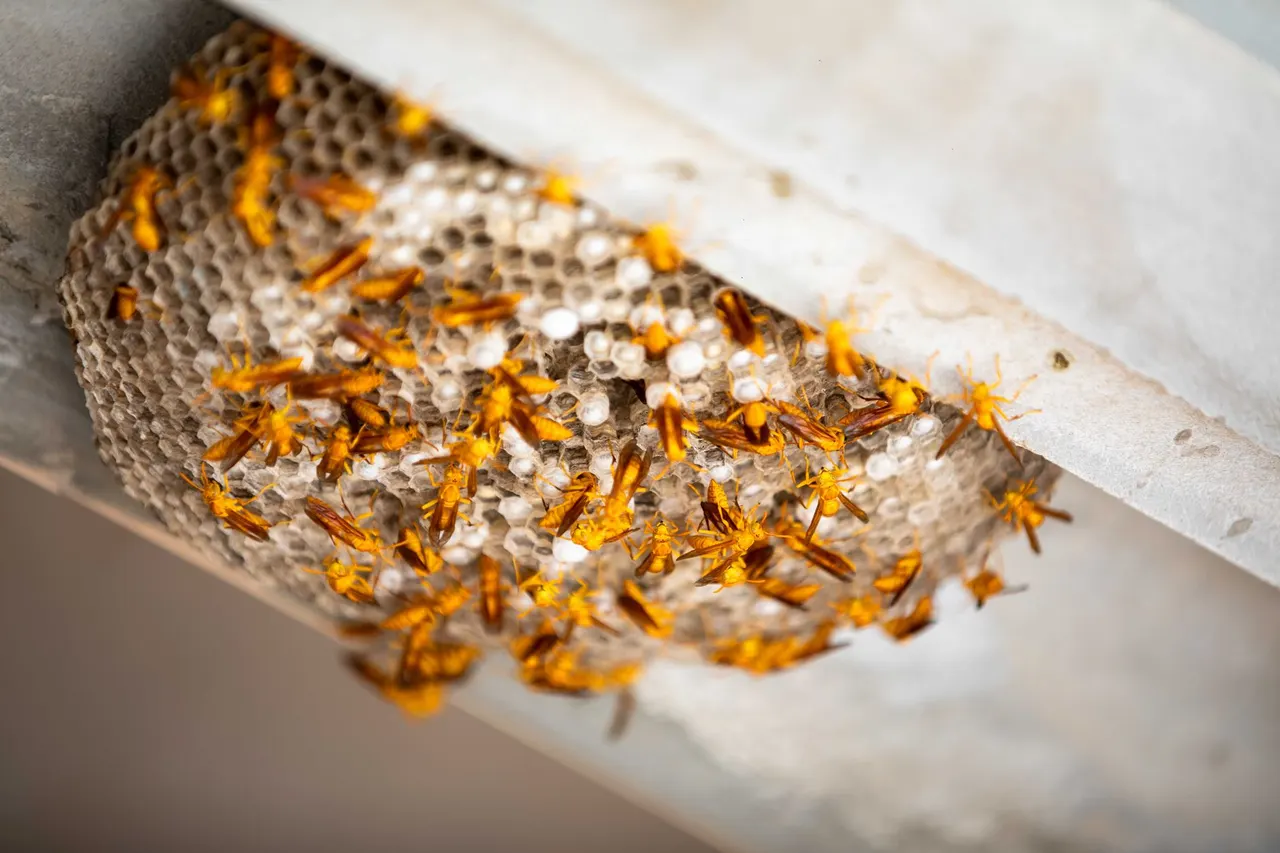
Pest activity in Palmer Park changes with the season, the building, and the location of food, water, and shelter. Our inspections cover kitchens, basements, attics, garages, rooflines, and outdoor areas where evidence points to a source. Residential pest control Palmer Park customers request includes routine prevention as well as specific treatments for insects, rodents, and wildlife. We also work with property managers and business operators who need a clear service plan. Tell us what you have noticed, and we will identify the likely pest and the next practical step.
Our general service starts by checking the rooms and exterior areas where activity is visible, including kitchens, basements, foundations, and entry points. In Palmer Park homes, we tailor treatment to the pest found and the property's layout. We use targeted products and prevention steps rather than treating areas without evidence.
View service →02For rodent activity in Palmer Park, we inspect foundations, utility openings, garages, attics, and food-storage areas. We use monitors and appropriate traps, then identify gaps that need sealing. Historic homes and detached garages require careful checks because small openings can connect sheltered spaces to the interior.
View service →03Scratching in a wall or droppings under a sink call for a source check, not just a trap. We inspect kitchens, basements, and utility penetrations in Palmer Park properties, place traps where activity is confirmed, and explain which openings need sealants or exclusion screens to reduce repeat entry.
View service →04Rat signs around a basement, garage, or refuse area need prompt inspection. We trace likely travel routes and entry points around Palmer Park buildings, then use suitable traps or bait stations in controlled locations. The plan also addresses access and attractants so the same route does not remain open.
View service →05Cockroach treatment focuses on hiding places near heat, moisture, and food, including cabinet voids, plumbing penetrations, and appliance edges. In Palmer Park homes and apartments, we inspect first, then select targeted baits or other appropriate materials. We provide practical cleaning and monitoring steps for the follow-up period.
View service →06We follow ant trails to likely entry points and nesting areas rather than treating only the line you can see. Palmer Park properties with patios, landscaping, and mature trees benefit from an exterior and interior check. Our treatment uses targeted baits or insecticides as appropriate and identifies conditions that support activity.
View service →07Spider service includes checking basements, garages, window wells, storage areas, and exterior corners where insects and webbing collect. We remove accessible webs, address insect activity that supplies food, and treat suitable locations. Palmer Park homes with porches and established landscaping receive attention at the structure's edges.
View service →08Bed bug treatment begins with a careful inspection of mattresses, bed frames, upholstered furniture, and nearby cracks. We help Palmer Park residents identify signs before moving belongings between rooms, then apply a treatment plan based on the infestation. Preparation instructions are specific, so you know what to do before service.
View service →09Heat treatment is planned around the affected rooms and items, with monitoring to confirm that target areas reach treatment conditions. We explain preparation and access requirements to Palmer Park customers before work begins. Heat is not a substitute for inspection; we check adjacent areas and recommend follow-up monitoring where needed.
View service →Palmer Park Pest Control begins with the evidence you can point out: droppings, chewed material, insect trails, damaged wood, or repeated sightings. We check the inside and outside of the affected area, including basements, attics, utility openings, and roofline details common to older homes. For rodent concerns, we map activity before placing traps or bait stations; for insects, we identify likely harborage and entry routes. Same-day pest control Palmer Park MI requests are handled according to the issue and our route schedule, with urgent safety problems prioritized. In winter, freezing conditions can expose gaps around pipes and foundations; in summer, rain and warm temperatures make standing-water checks important. We use products according to their labels and keep treatments specific to the site. Tell us about parking restrictions, a rear entrance, pets, or shared access when you call. We serve Palmer Park and nearby homes in ZIP codes 48203 and 48221, and coordinate visits around property access so the inspection can reach the areas that matter.
Older construction can include settling cracks, aging vents, and utility penetrations that provide access for rodents or insects. Activity may appear far from the point of entry, so a room-only inspection can miss the route. We inspect the structure from the basement or crawlspace up to the attic and roofline where accessible. We follow evidence, note openings, and recommend sealants, foam, or exclusion screens suited to each gap. Traps and baits go only where the inspection supports their use.
Established plantings, detached structures, and outdoor storage create more edges to check for nests, burrows, or insect activity. The source may sit away from the wall where a customer first notices pests indoors. We walk the relevant perimeter and inspect likely harborage, including garage edges, foundation lines, and areas with stored materials. We distinguish confirmed evidence from general outdoor activity, then focus treatment and prevention on the locations tied to your concern.
As temperatures fall, rodents seek shelter and may use small openings around pipes, doors, and vents. A few sightings can signal an entry route that needs attention before activity spreads to storage or food areas. We check for droppings, rub marks, gnawing, and nesting material, then locate likely travel paths. Appropriate traps or bait stations are placed safely, and we identify openings for repair. We also explain how to store food and reduce clutter near active areas.
Pesticide use must follow the product label, including approved sites, application directions, and safety instructions. We select products and placement based on the Palmer Park property and pest identified, and explain any preparation or re-entry directions that apply to the treatment.
Michigan regulates pesticide applicators and pesticide use through the Michigan Department of Agriculture and Rural Development. Our service follows applicable state requirements and label directions, with treatment decisions based on the pest, site, and product instructions.
Palmer Park's cold winters and warm, humid summers create different pest pressures through the year. Historic homes and large lots also mean there may be more exterior edges, basements, porches, and detached structures to inspect. Mature trees and landscaping add outdoor habitat, but a yard sighting alone does not prove an indoor infestation. We verify evidence and connect it to the building before recommending treatment. For pest control services Palmer Park property owners need, the key is identifying the source, not simply treating the symptom.
Small gaps around pipes, vents, doors, and settling foundations provide access to warm indoor spaces. Cold weather makes basements and attics attractive shelter, while stored food and clutter offer cover once rodents enter. We map evidence, inspect likely entry points, and place suitable traps or bait stations in controlled locations. We then identify openings for sealing and explain how to reduce food access and clutter around active routes.
Ants may follow moisture or food odors through small exterior gaps. Patios, planting beds, and mature landscaping create multiple points where trails can meet the building, especially during warmer, wetter periods. We trace the trail, check likely entry points, and choose targeted baits or treatment based on the ant activity. We also look for moisture and food sources, then give you simple steps to keep the route from being reinforced.
Sheltered eaves and porch details can provide protected nesting locations during warm months. Activity becomes a concern when the nest is close to a frequently used door, path, or outdoor seating area. We identify the insect and nest location before treatment, then address the confirmed activity. We advise you to keep clear of the approach and avoid blocking the nest entrance until the treatment plan is complete.
Large lots, mature trees, and varied building features create potential routes to attics and sheltered spaces. Loose vents, damaged fascia, or open areas under decks can provide access for animals seeking cover. We identify the animal and entry route before removing or excluding it. Once activity stops, we recommend appropriate screening or repairs, and we check nearby openings so the same structure does not remain accessible.
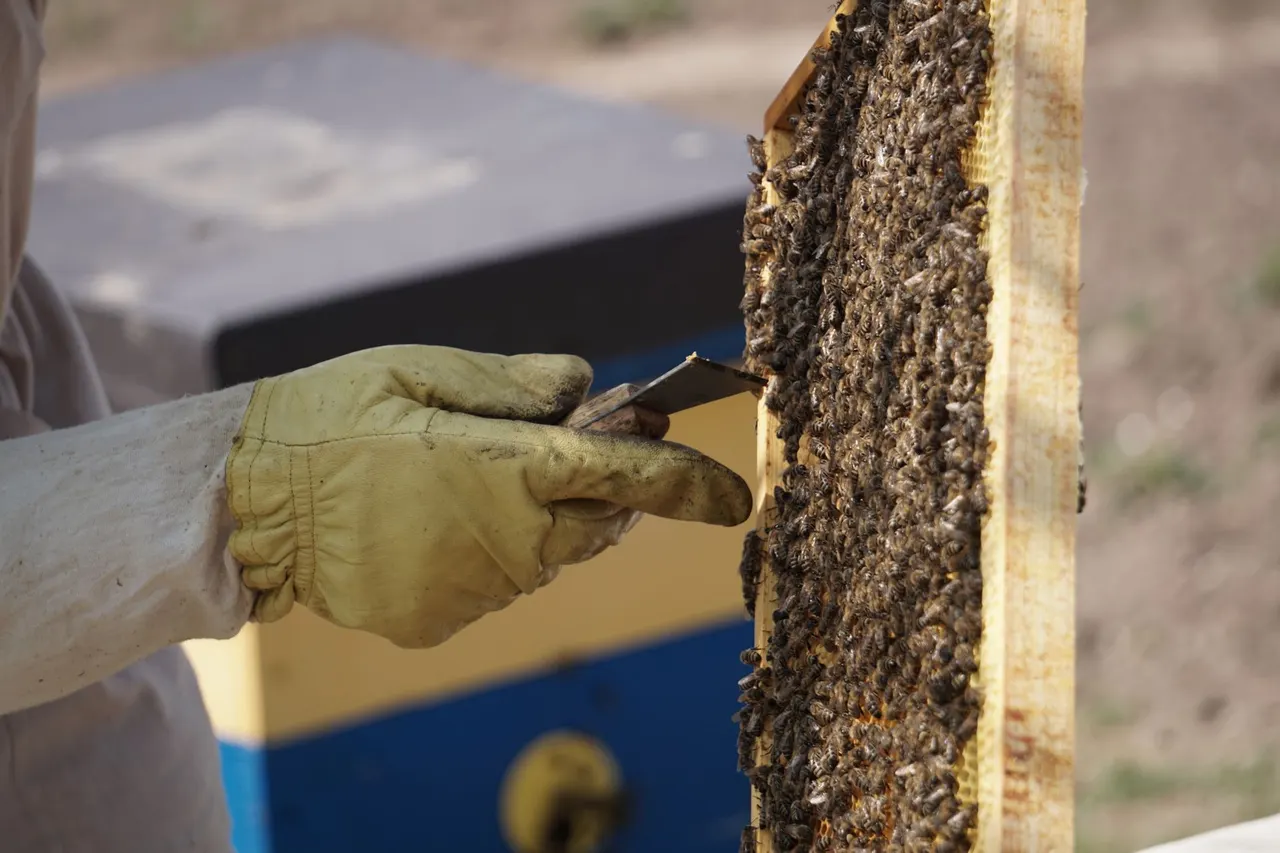
Typical 2026 pricing in Palmer Park depends on the pest, size of the affected area, access, and whether the work is a one-time treatment or a continuing prevention plan. As a planning range, a straightforward inspection or targeted treatment often falls around $180-$450; larger infestations, bed bug work, wildlife removal, or multiple-unit service can cost more after the site is assessed. Palmer Park Pest Control pricing also changes when technicians need attic or crawlspace access, extra monitoring, or exclusion repairs. We give you the price before work proceeds. The treatment plan should identify the pest, the areas addressed, and any preparation or follow-up tasks so you know what the service covers.
One visible ant trail is different from a widespread cockroach infestation or an established rodent problem. The pest species, number of affected rooms, and evidence of nesting determine inspection time, product choice, and whether monitoring or repeat visits are needed.
A Palmer Park home with a finished basement, detached garage, or difficult attic access can take longer to inspect than an open, single-level area. Extra time may be needed to trace activity across multiple rooms or reach a roofline entry point safely.
Sealing openings, installing exclusion screens, or returning to check monitors adds work beyond an initial treatment. The number and size of access points matter; a small pipe gap is simpler to correct than several openings across a foundation and roof edge.
Palmer Park, the Detroit Golf Club, and the Palmer Woods Historic District are useful orientation points when arranging a visit in this part of Detroit. We use Seven Mile Road and Woodward Avenue to plan an approach, then rely on your address and entrance notes for the final turn. These references help distinguish Palmer Park from nearby neighborhoods and make it easier to coordinate access. They are navigation markers, not claims that service is performed at the landmarks themselves.
The park is a central geographic reference for this service area. When you call, naming the side of the park or a nearby cross street helps us distinguish the property location and choose a practical approach.
The Detroit Golf Club is a recognizable orientation point near Palmer Park and the surrounding residential area. It can help clarify which section of the neighborhood your address is in when arranging a service visit.
The historic district provides a clear reference for the residential area west of Palmer Park. Identifying it in directions can help narrow down the route before we use the exact street address for arrival.
Seven Mile Road is a major east-west street and a useful corridor for locating nearby businesses and residential entrances. We use the customer's address and access notes to identify the correct final turn.
Woodward Avenue is a prominent Detroit route that helps orient travel to the Palmer Park area. It connects with local streets and serves as a practical reference when arranging service access.
Woodward Avenue provides a major road approach to the Palmer Park area. The best final route depends on the property's street, driveway, and access instructions.
Seven Mile Road offers an east-west approach near Palmer Park and helps orient service routes. Customers can share a nearby intersection to clarify the final access point.
We serve Palmer Park, Palmer Woods, and Sherwood Forest as part of our Detroit route. The properties vary from historic homes on large lots to multi-unit buildings and smaller commercial sites, so access and inspection needs differ. Share the nearest cross street, the affected room, and any gate or parking details when you call. That helps us plan a visit that reaches the right areas without wasting time locating the property.
Homes near the park and green space sit among mature trees and established landscaping. We inspect foundations, porches, garages, and roofline openings when customers report rodents, wasp nests, or insect activity, while distinguishing outdoor sightings from evidence inside the structure. We use Seven Mile Road and nearby Woodward Avenue as practical approach routes, then confirm the property entrance with you.
Large lots and historic homes call for a full perimeter review, including detached garages, basement access, and mature planting beds. Our inspection connects indoor signs with possible outdoor entry points rather than treating only the room where pests appeared. From Palmer Park, our team reaches Palmer Woods through the local street network and plans around the property's access instructions.
Residential pest prevention needs here often involve checking door sweeps, foundation penetrations, attic vents, and landscaping close to the house. We tailor treatment to the pest and pay attention to the building's specific construction and evidence. We coordinate a route from Palmer Park and confirm whether the front, side, or rear entrance is best for access.
The nearby residential area includes homes where basements, garages, and landscaped edges merit attention during a pest inspection. We look for clear signs of activity and recommend focused treatment or exclusion instead of broad, unnecessary application. Our Detroit service routes connect Palmer Park with the University District; provide your cross street when booking.
Every property needs an inspection before a treatment plan can be selected. These examples show how a technician can connect visible signs to entry points, choose a focused method, and give the customer a clear next step. The figures below describe the work approach and practical monitoring points, not a promise that every home will have the same outcome. We base each visit on the evidence at the property.
A Palmer Park homeowner found fresh droppings beneath a basement utility line and heard scratching after dark. We inspected the basement perimeter, checked the pipe opening and adjacent storage, and traced signs toward the utility route. We placed snap traps where activity was confirmed and discussed sealing the opening with suitable materials. The customer received instructions to check the area daily and report any continued signs. The inspection identified one likely access point and two monitored travel areas. The homeowner had a clear 7-day checking routine and a specific opening to repair, rather than traps scattered through the basement.
An owner in Palmer Woods noticed ants returning along a kitchen counter despite wiping away the trail each evening. We followed the trail to a likely exterior entry near the kitchen wall and checked for moisture and food sources. A targeted bait placement addressed the active route, while we explained how to avoid disturbing the bait and how to keep counters and stored food protected during monitoring. The customer left with a defined 10-day monitoring period and two practical changes for food storage and entry-point maintenance. Follow-up focused on whether trail activity stopped at the original route.
A Sherwood Forest resident reported repeated wasp activity near a second-floor eave above a frequently used doorway. We identified the nest location from a safe distance and evaluated access around the eave before treatment. The visit addressed the active nest and included a check of nearby roofline features. We also advised the resident to keep the doorway clear until activity had stopped and the area could be safely observed. The service addressed one confirmed nest and the customer received a 24-hour observation instruction before normal use of the nearby area. The inspection also identified one roofline point to watch during the next warm season.

We heard scratching in the basement and found droppings near a pipe. The technician checked the utility opening, explained where the mice were likely getting in, and placed traps in the active areas. I appreciated getting a short list of what to monitor over the next week instead of a vague recommendation.
Ants kept appearing by the kitchen window in our Palmer Woods home. The technician followed the trail outside and showed us the likely entry point. The bait placement and simple food-storage advice were clear, and we knew what to look for during the follow-up period.
We had a wasp nest close to the door and did not want to disturb it. The technician identified the nest location, handled the treatment, and told us how long to keep the area clear. The visit was focused and the instructions were easy to follow.
As November brings colder weather to Palmer Park, rodents seeking shelter and gaps around foundations deserve attention first. Winter inspections focus on basements, utility lines, garages, and attic access. In spring, ants and other insects become more active; summer brings wasps, mosquitoes, and outdoor pests; fall sends rodents toward warm structures again. If you are searching for 24/7 pest control Palmer Park near me, call to describe the issue and any immediate hazard. Seasonal planning helps catch entry points before activity becomes established indoors.
As temperatures rise, ant trails and other insect activity become easier to spot around foundations, kitchens, and landscaped edges. Rain can leave standing water in containers or low spots, while early termite inspection is useful if you notice mud tubes or damaged wood.
Warm weather increases wasp nesting, mosquito breeding, and outdoor insect activity. Check roof edges, porch areas, and shaded places where water stands. Yard pests can become a concern where people and pets use landscaped areas.
As nights cool, rodents look for shelter in basements, attics, garages, and wall voids. Leaves and stored materials can obscure openings around foundations. Check for droppings, gnawing, and scratching before the coldest weather arrives.
Cold weather concentrates pest concerns indoors. Rodents may use small openings to reach warm spaces, while plumbing and utility areas provide concealed routes. Reduced outdoor insect activity does not rule out a problem already established inside.
Palmer Park is one part of Aardvark Motown Pest Control's Detroit service region. Our routes also cover central and east-side neighborhoods, linking local residential work with commercial visits across the city. If a property is outside Palmer Park, share its location and pest concern so we can direct you to the right local service page. The broader region includes ZIP codes 48209, 48208, and 48202, alongside Palmer Park service in 48203 and 48221.

Downtown Detroit is south of Palmer Park within the same Detroit service region, with visits routed by the property's exact address and access needs.
Local coverage and detailsMidtown lies south of Palmer Park and connects to the same citywide service routes; building type and parking details shape the visit plan.
Local coverage and details
Corktown is farther southwest within Detroit. It is part of our broader service region, with travel planned from the service address rather than a fixed mileage estimate.
Local coverage and details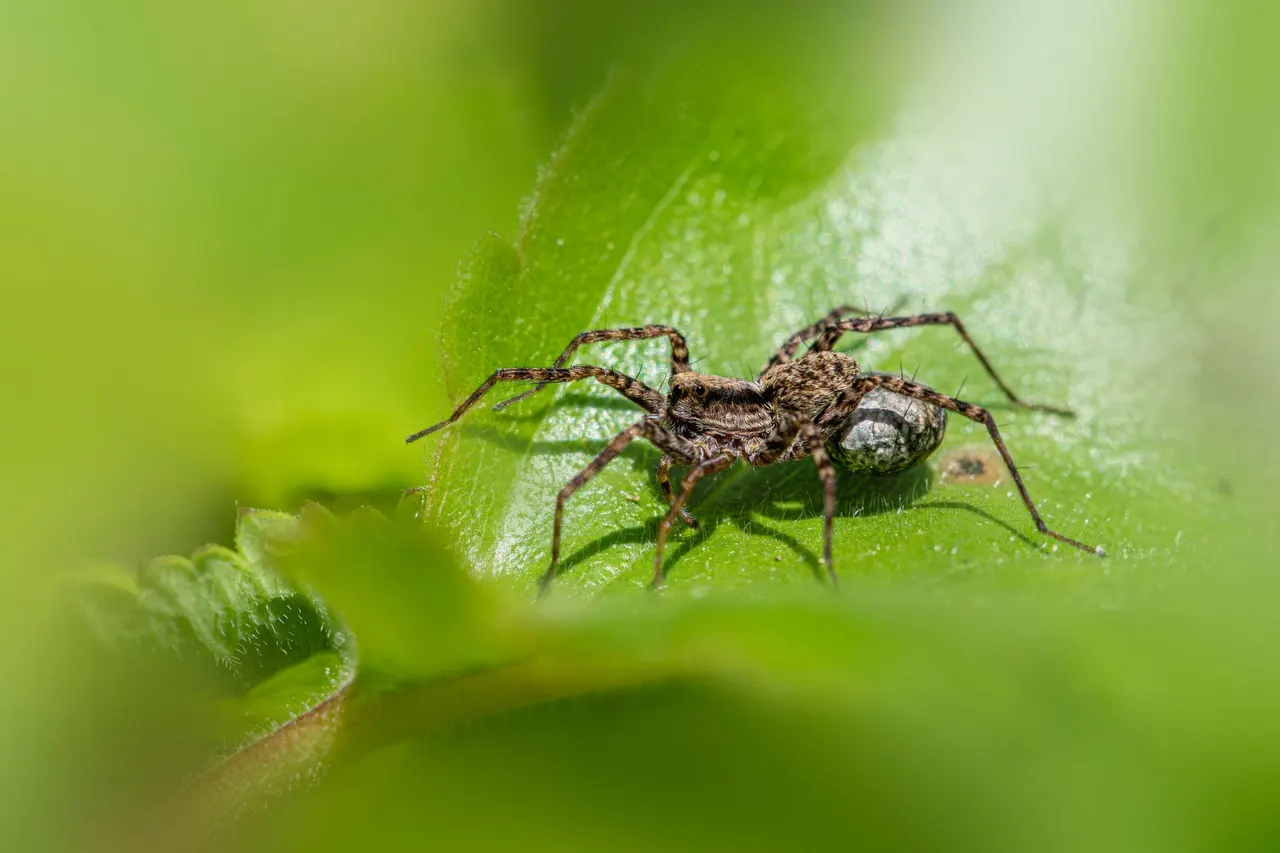
Mexicantown sits in southwest Detroit, within the wider area our team serves. Customers can use the local page for neighborhood-specific service information.
Local coverage and detailsA useful service visit should answer three things: what pest is present, where it is active, and what will reduce the chance of repeat activity. For Palmer Park homes, ask whether the inspection includes the basement, exterior, and likely entry points, especially if the building has a garage or attic. A contractor should explain product placement and preparation in plain language. Compare the inspection process and follow-up plan, not just the opening price. That helps you choose a service that addresses the cause.
Many pest problems start at an exterior opening or sheltered outdoor area. An interior-only visit can miss the route. A thorough answer should identify which rooms, foundation areas, utility gaps, and roofline points are relevant to your specific signs.
Different insects and wildlife require different controls. The technician should explain what evidence supports the identification and how it affects product choice, placement, and follow-up. A plan based only on a general description may not address the actual pest.
Preparation can affect access and treatment effectiveness. Ask for clear instructions about food, pets, children, furniture, or storage. The answer should match the service being performed rather than giving the same instructions for every pest and property.
Seeing the evidence helps you understand why a treatment or repair is recommended. A good inspection connects droppings, trails, nests, or damaged material to a likely source and gives you a practical way to monitor the area afterward.
Some problems require monitoring or a return visit, while others need exclusion or sanitation changes. Ask how the technician will judge progress and what new evidence should prompt another call. That makes the service plan measurable instead of open-ended.
National Pest Management Association
Occupational Safety and Health Administration
General liability coverage for pest management operations
Member
Certification program
A straightforward inspection or targeted treatment is often about $180-$450, while extensive infestations or specialized work costs more. In 2026, the price depends on pest type, affected rooms, access, and whether follow-up or exclusion is needed. We explain the cost before work proceeds. For affordable pest control in Palmer Park, describe the signs and property layout when you call so we can plan the right inspection.
The right provider identifies the pest, inspects likely entry points, explains treatment choices, and gives practical follow-up steps. Aardvark Motown Pest Control serves Palmer Park and nearby Detroit neighborhoods, with service shaped by the property and evidence found. Ask about applicator requirements, product-label compliance, and how the plan addresses repeat access. These details are more useful than a broad claim of being the best.
You need an inspection when you find repeated droppings, scratching, insect trails, a nest near an entrance, or possible termite evidence. One outdoor sighting does not always mean the building is infested, but recurring signs indoors deserve attention. We check the relevant rooms and exterior route, then explain whether treatment, monitoring, or a repair is the practical next step.
Rodents, ants, cockroaches, spiders, wasps, mosquitoes, and wildlife are among the issues property owners may encounter. The mix changes with the season, landscaping, and building access. Historic homes and large lots also make it important to inspect foundations, garages, rooflines, and basements. We identify the pest from evidence before recommending a control method.
Choose a company that explains its inspection, identifies the pest, follows Michigan pesticide requirements, and gives clear preparation and follow-up instructions. Ask whether the visit includes relevant indoor and outdoor areas and how entry points will be handled. For same-day pest control Palmer Park MI service, describe any immediate hazard and the exact signs you have seen when you call.
Not seeing your question? Our local team can help you understand urgency, scheduling and what to expect.
Ask the local team
Call Aardvark Motown Pest Control at (313) 879-5917 to discuss insects, rodents, bed bugs, termites, or wildlife at your property. Our regular phone hours are Monday through Friday, 8:00 a.m. to 6:00 p.m.; leave a message outside those hours and include your Detroit neighborhood and the pest activity you noticed. We will respond during business hours.