Focused arrival windows
Useful updates and clear arrival timing.

Pest Control in New Center starts with finding how pests enter, where they travel, and what keeps them there. Our team handles historic architecture, apartments, and busy commercial properties around the Fisher Building and Henry Ford Hospital. We inspect first, then match the treatment to the pest and building. New Center Pest Control from Aardvark Motown Pest Control covers rodents, insects, bed bugs, termites, and wildlife intrusion across ZIP codes 48202 and 48201.
Useful updates and clear arrival timing.
Review the approach and price before deciding.
Equipped vehicles and respectful cleanup.
Neighbors serving neighbors with follow-through.
Pest Control in New Center is a building-focused service that identifies, treats, and helps prevent pest activity in homes and commercial properties. Our team works throughout New Center, TechTown, and Milwaukee Junction, where a single block can include historic architecture, apartments, offices, and institutional buildings. That variety changes how we inspect: a basement mouse route needs a different plan from a cockroach issue beside a shared kitchen or a bed bug report in a multi-unit building. We check entry gaps, utility penetrations, storage areas, and conditions that support activity before selecting a treatment. Around the Fisher Building, Cadillac Place, and Henry Ford Hospital, high foot traffic from hospitals and offices makes discreet scheduling and clear access plans useful. We explain what we find and what the next treatment step targets. Our exterminator New Center MI service is designed around the actual property, not a one-size route. If you need Pest Control near New Center, call us with the address, pest signs, and any access restrictions so we can plan the visit.
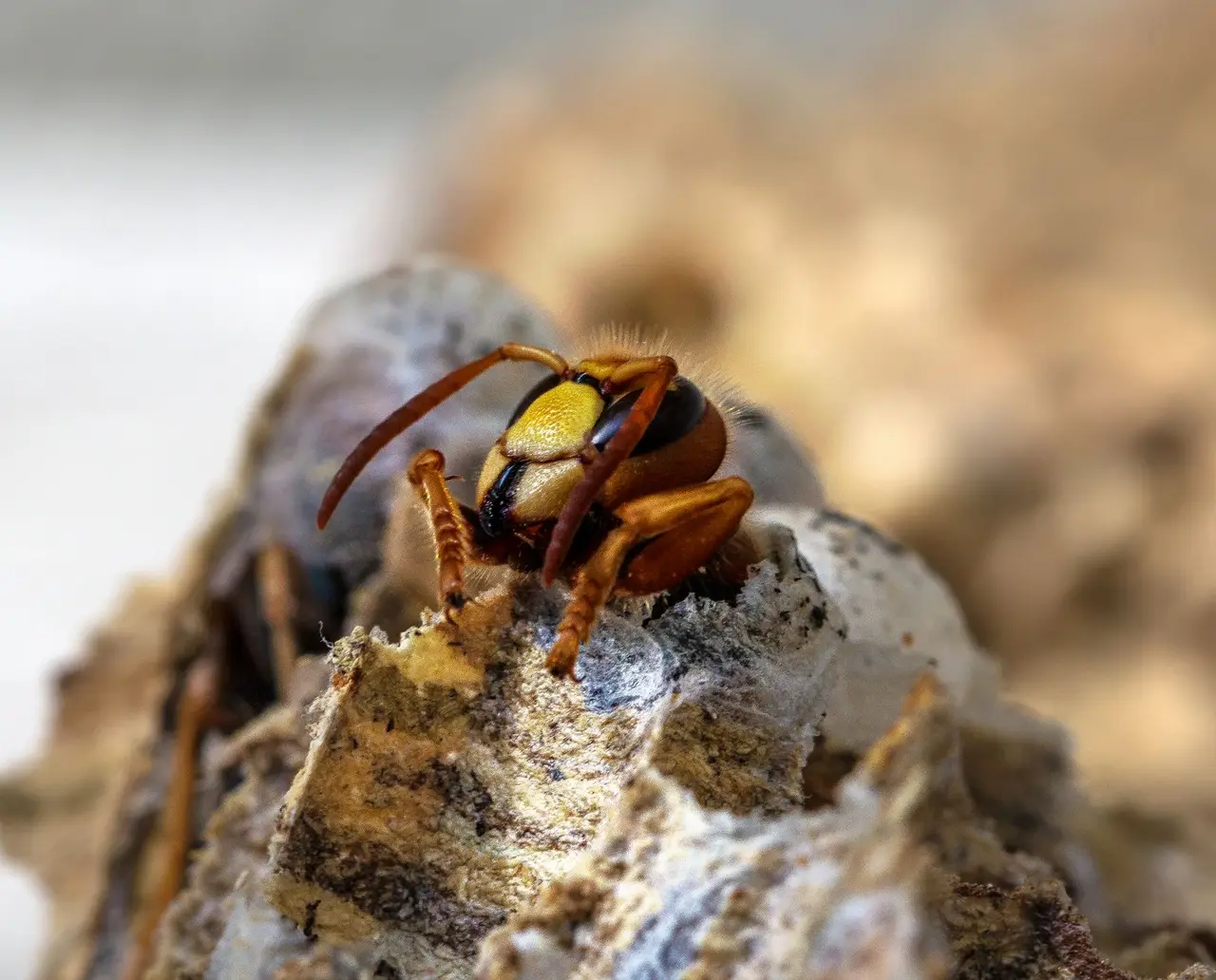
Pest concerns in New Center vary by building use: an office may need discreet monitoring, while a residence may need a rodent entry inspection or insect treatment. We serve properties near Woodward Avenue and throughout 48202 and 48201, coordinating around tenant access, business hours, and shared spaces. For affordable pest control in New Center, we start by identifying the pest and the conditions supporting it, then recommend the work that addresses the finding. Our service range includes insects, rodents, bed bugs, termites, and wildlife.
We inspect kitchens, basements, utility entries, and exterior edges in New Center homes and commercial buildings, then select a treatment for the pest found. In a historic property, we pay close attention to cracks and service penetrations; in a mixed-use building, we consider shared corridors and the spaces beside food preparation.
View service →02Our rodent visits focus on entry points, droppings, gnaw marks, and travel routes in New Center basements, storage rooms, alleys, and parking areas. We use traps or secured bait stations where appropriate and identify openings that need exclusion. A route map helps building managers coordinate treatment across connected spaces.
View service →03Mice can pass through small gaps around pipes, doors, and foundations, especially in older New Center buildings. We inspect likely routes, place snap traps or monitors where activity is found, and point out access gaps for sealing. You receive practical placement and sanitation guidance for the rooms involved.
View service →04Rat calls need a careful check of exterior access, refuse areas, lower levels, and utility spaces. Around New Center properties, our technicians distinguish fresh activity from old signs before choosing a control plan. We use secured equipment suited to the site and help identify structural openings that need repair.
View service →05Cockroach activity often concentrates near water, warmth, food storage, and shared plumbing. We inspect kitchens, break rooms, bathrooms, and neighboring units when access allows, then place targeted baits or other appropriate materials. In a New Center office or apartment, treating the source and monitoring results matters more than spraying visible insects alone.
View service →06We trace ant trails to entry points and food or moisture sources in New Center residences, offices, and storefronts. The treatment depends on the species and location: a trail beside a window differs from activity near a shared kitchen. We also identify gaps and conditions you can correct to reduce repeat access.
View service →07Our spider service checks corners, storage areas, basements, and exterior openings where insects and spiders may gather. In New Center buildings, we remove accessible webbing, inspect for the insects supporting spider activity, and recommend sealing or housekeeping adjustments where useful. Treatment is selected for the surfaces and rooms involved.
View service →08We inspect mattress seams, bed frames, upholstered furniture, and nearby cracks when a New Center resident or property manager reports bites or spotting. Bed bug work requires careful preparation and follow-through, especially in apartments where connected units or shared laundry areas affect planning. We explain the treatment sequence before starting.
View service →09Heat treatment applies controlled heat to the affected space and its contents, with temperatures monitored at treatment locations. In New Center apartments, we plan room access and preparation with the occupant or manager to reduce missed areas. Our technicians explain what must be moved, what remains, and how to avoid reintroducing bed bugs.
View service →New Center Pest Control starts with a site inspection and a plan for access. Before treatment, we ask where you saw activity, whether other suites or units are affected, and which rooms must remain open. Historic architecture can hide gaps behind trim and around utility lines, while commercial and institutional buildings require coordination with building staff. We choose traps, baits, monitors, or targeted materials based on the pest and the site; foggers are not a default solution. For same-day pest control New Center MI calls, tell us about active sightings, occupants, and access limits when you call. In November and through winter, cold weather can drive rodents toward warm interior spaces, so basement and loading-area inspections matter. We keep work zones clear around public entrances and use label-directed application practices. A standard inspection often takes 30 to 60 minutes; treatment time depends on the rooms and pest activity found.
Older trim, foundation transitions, and utility penetrations can make an opening hard to spot from a room. In New Center, an inspection that checks only visible floors can miss the route connecting a basement, wall cavity, or service space. We trace signs toward likely access points and inspect accessible foundation edges, pipe openings, door sweeps, and wall transitions. When we identify a gap, we explain whether a sealant, screen, or repair is suitable. Treatment addresses the active pest while exclusion reduces repeat entry.
An issue reported in one New Center apartment may involve a shared plumbing chase, corridor, or adjacent unit. Treating one room without understanding the route can leave activity nearby and make follow-up results difficult to interpret. We ask the manager to map reported rooms and access rules, then inspect connected locations where permitted. Monitors and targeted placements help show whether activity continues. We give occupants clear preparation steps and tell the property contact which areas need follow-up attention.
Rodent signs around refuse storage, loading areas, and vehicle spaces can be affected by access, deliveries, and waste handling. High foot traffic from offices and hospitals also means work zones must avoid blocking building entrances or daily operations. We coordinate an access window, inspect the exterior edge and interior entry route, and place secured control devices where they fit the site. We identify openings and conditions for the property team to correct, then set a check interval based on activity and site use.
We follow the product label for application location, amount, protective measures, and re-entry instructions. In occupied New Center apartments, offices, or institutional buildings, label compliance guides where treatment can occur and what occupants need to know before returning to treated areas.
Michigan regulates pesticide application and applicator credentials through MDARD. Our service planning accounts for the applicable licensing category and safe handling practices, with treatment selected for the pest, property, and product label rather than applied indiscriminately.
New Center's building mix creates different pest conditions from one property to the next. Historic architecture can include older foundation joints and utility openings; commercial and institutional buildings bring frequent deliveries, shared spaces, and changing occupancy. Detroit's cold winters encourage rodents to seek sheltered indoor routes, while warm, wet summer periods support insects and mosquito activity where standing water remains. We use New Center Pest Control inspections to distinguish a current infestation from an isolated sighting and then plan around the building's construction, use, and access.
Mice and rats use small openings around pipes, doors, and foundation transitions to reach warm, sheltered spaces. In older New Center buildings, those gaps may be hidden behind stored items or service equipment. Cold weather increases the value of indoor shelter, while refuse and accessible food can sustain activity. We inspect the reported room and likely exterior routes, then place traps or secured bait stations where evidence supports them. We identify openings for sealing and explain what to monitor. Follow-up checks help determine whether activity has stopped or a connected space needs attention.
Warmth, moisture, food residue, and connected pipe spaces offer shelter and resources. In mixed-use properties, staff kitchens, apartment plumbing, and shared utility areas may connect separate rooms. A sighting in one place can therefore reflect activity beyond the exact spot where an insect was noticed. We check likely harborages, water sources, and adjacent routes before placing targeted bait or monitors. We coordinate access with residents or facilities staff and give clear cleaning and reporting steps. Monitoring the same points at follow-up shows whether the activity has declined.
Ants can follow narrow exterior-to-interior gaps around windows, trim, and utility penetrations while seeking food or moisture. Seasonal warmth brings more visible movement, and indoor crumbs or damp areas can make a route persistent. Different species need different treatment choices. We identify the trail and likely species, inspect the entry transition, and apply a targeted treatment suited to the location. We also point out gaps and attractants you can address. A return check focuses on the original route rather than treating unrelated surfaces.
Moisture and concealed wood contact can create conditions that deserve inspection, particularly where older construction meets foundations or additions. Termite damage is not confirmed by age alone; mud tubes, damaged wood, or other evidence need a qualified assessment. A visual check can identify areas that merit further attention. We inspect accessible foundation edges and wood for signs of termite activity, document what we observe, and explain the next step. If treatment is warranted, it is selected for the structure and evidence. We also discuss moisture and access conditions that support prevention.
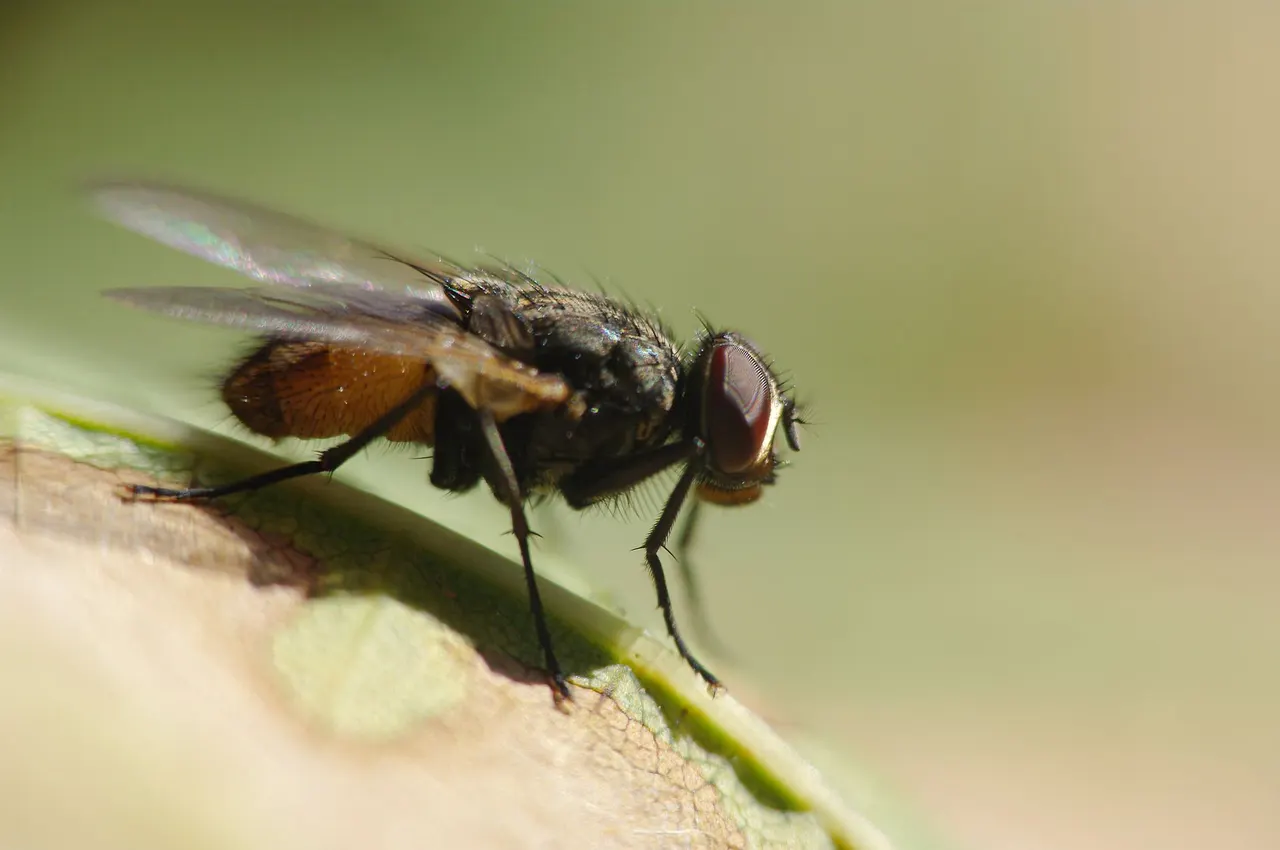
Typical 2026 pricing in New Center depends on the pest, property size, access, and whether the work needs follow-up visits. A focused inspection or single-area treatment may run about $180-$450; broader rodent work or multi-unit treatment can range from $300-$900 or more when several areas require attention. Bed bug treatment often costs $500-$1,500 per affected room or treatment area, depending on preparation and method. These are planning ranges, not a quote for your address. We provide upfront pricing before treatment. Historic construction, connected apartments, after-hours access, and extensive activity can add labor or visits. For best Pest Control New Center planning, share the building type, number of affected rooms, and what signs you have seen.
A single ant trail may need a focused visit, while bed bugs, termites, or an established rodent route require more inspection and treatment steps. The materials, equipment, and follow-up schedule differ. We price the actual pest and work area rather than applying one flat rate to every New Center call.
A one-bedroom unit with clear access takes less inspection time than several connected apartments, a basement, or a multi-floor office. Locked service rooms, loading schedules, and historic construction details affect labor. Share the number of rooms and access conditions so we can plan a useful visit.
Fresh, limited activity can need less work than repeated sightings across multiple floors or units. Some treatments require monitoring or a return visit to check results. We explain the recommended schedule and what each visit addresses before work begins, so you can compare the plan with the evidence.
We use recognizable New Center landmarks to orient a route, then navigate to your exact building entrance or loading point. The Fisher Building and Cadillac Place help distinguish the district's central blocks, while New Center Park is a useful reference for nearby addresses. Woodward Avenue is a clear corridor for locating cross streets. For service, provide the property address, suite or unit, parking instructions, and any entry restrictions; landmarks guide the route but do not replace a confirmed service address.
The Fisher Building is a prominent New Center landmark on West Grand Boulevard. It provides a recognizable orientation point for locating nearby streets and confirming that a service address lies within the district.
Cadillac Place is a major historic building in New Center and a useful reference when navigating the surrounding blocks. We use it for general orientation, then follow the customer's address and entry instructions.
New Center Park offers a clear geographic reference in the district. It can help identify nearby streets when a caller describes a location, but the exact building address remains necessary for routing and access planning.
Woodward Avenue is a major Detroit corridor passing through the New Center area, with commercial and institutional destinations along its route. It is a practical reference for locating nearby properties and arranging building access.
TechTown is a business and innovation district in the New Center area. Its workspaces and offices have varied operating schedules, so commercial service planning uses the specific building, suite, and contact details.
The QLINE's New Center terminus provides a transit reference near the district. We still route service vehicles to the property's street address and use its designated parking or loading instructions.
Woodward Avenue is a principal north-south route through Detroit and an orientation corridor for New Center. Address-level directions help locate side streets, entrances, and permitted service access.
We serve New Center and its connected local districts, including TechTown and Milwaukee Junction. Building types shift quickly across the area, from older residential properties to office, institutional, and mixed-use spaces. Tell us your cross streets, building type, and whether you need a tenant, manager, or business contact included. That lets us plan entry and service without slowing the rest of your day.
The district combines residences, offices, and institutional buildings, so pest calls often require attention to shared entries and different occupancy schedules. We inspect the exact room and exterior access involved, whether you are reporting rodents, ants, bed bugs, or another pest. We use your street address and nearest main intersection to route directly through the New Center blocks.
TechTown includes workspaces and business activity where a pest visit must fit staff access and operating hours. We can focus on break rooms, storage, receiving points, and utility spaces, then explain monitoring and follow-up in terms your facilities contact can use. From New Center, we coordinate a short local route and confirm the building entrance and suite access.
Milwaukee Junction's mix of commercial activity and older buildings calls for careful inspection of loading access, basement spaces, and exterior openings. We match the control plan to the reported pest and property layout instead of applying a residential routine to a business site. We reach the area using the address and local street access details supplied when you book.
Properties around New Center Park include nearby homes and workplaces with differing access needs. The park serves as a useful orientation point, while our inspection stays focused on the customer's building, reported pest signs, and possible entry routes. Share the nearest entrance or cross street so we can locate your property without relying on a landmark visit.
These examples show how we approach common building conditions around New Center: inspect the evidence, locate the route, and select a treatment that fits the property. Results depend on access, pest pressure, and building conditions, so we measure progress through follow-up observations rather than promises. The scenarios below illustrate practical work patterns for local residential and commercial settings.
A New Center apartment resident found mouse droppings beneath a kitchen sink and heard scratching near a shared utility wall. We inspected the kitchen, accessible utility transitions, and nearby basement route with the property contact. Snap traps and monitors were placed at identified activity points, and we showed the manager two gaps requiring sealing. We also reviewed food storage and waste handling with the resident so the treatment plan addressed both the route and conditions inside the unit. At the 14-day check, the monitors showed no new activity in the treated kitchen. The property manager had sealed the identified openings and kept the shared utility area accessible for continued observation.
An office near Woodward Avenue reported cockroach sightings around a break-room sink and storage cabinet during closing hours. We inspected the sink base, cabinet seams, nearby plumbing, and waste area after staff left. Targeted bait placements and monitors were set where signs supported activity, with staff instructions to keep the monitoring points clear. We checked adjacent break-room surfaces and recorded locations for the office contact to track. The follow-up check after 21 days found fewer recorded sightings and no fresh signs at the monitored cabinet. Staff kept the sink area dry overnight and continued the agreed monitoring routine.
A property manager near New Center Park reported repeated ant trails entering a ground-floor room beside a window. We followed the trail to the window edge, checked the nearby exterior transition, and treated the active route with a targeted approach. The technician identified a small gap for repair and explained how food residue and moisture could sustain activity indoors. The manager arranged the repair and cleaned the trail area after treatment. At the 10-day review, the active trail was no longer present at the window. The repaired gap and cleaner sill gave the manager a clear prevention step to maintain.
We called about mice under the kitchen sink in our New Center apartment. The technician checked the utility openings, set traps in the right spots, and showed our manager where sealing was needed. I appreciated getting a clear explanation instead of a quick spray and a guess. We had no new signs at the follow-up check.
Our office break room had a cockroach issue near the sink. The team worked after staff had left, placed monitors where they would not be disturbed, and gave us simple instructions for keeping the area clear. The follow-up visit checked the same points, which made it easy to see that activity had dropped.
We needed help with ants coming through a window in a mixed-use building. The technician traced the trail, treated the active area, and pointed out a gap for our maintenance person to fix. The advice was specific to that room, and we stopped seeing the trail after the repair and cleanup.
In November, falling temperatures make winter rodent prevention the immediate priority for New Center homes, offices, and loading areas. As winter continues, mice seek warm indoor shelter; spring brings renewed ant and insect movement; summer raises mosquito and wasp concerns; and fall starts another round of exterior entry checks. Building schedules matter through every season, especially in occupied offices and apartments. If you need same-day pest control New Center MI during a seasonal surge, tell us which rooms or entrances are affected and whether the issue is active now.
As temperatures rise, ants and other insects become more visible around windows, foundations, and food areas. New Center property managers should also check exterior openings and storage spaces after winter. Moisture left near a building can support pest activity if it remains undetected.
Warm weather increases mosquito, wasp, and ant activity, particularly where standing water or food waste remains. New Center courtyards and service areas need attention after rain. Busy commercial schedules can also leave doors open during deliveries, creating brief opportunities for pests to enter.
As nights cool, rodents look for sheltered routes into basements, storage areas, and wall spaces. New Center buildings should be checked around utility penetrations, loading doors, and foundation edges before winter conditions settle in. Stored goods and refuse areas can conceal early signs.
Cold weather pushes mice toward warm indoor shelter, so New Center calls often involve basements, kitchens, and mechanical areas. Activity can continue unseen behind stored materials or along pipe routes. In heated buildings, cockroaches may also remain active in damp, warm spaces.
New Center sits within a connected Detroit service area, and our team also serves nearby districts listed below. A property manager overseeing more than one site can share each address and access contact so we can plan service consistently. Travel distance and timing vary with the exact building and traffic, so provide your street or cross streets when calling. Our local coverage includes residential, commercial, and institutional properties across the city.
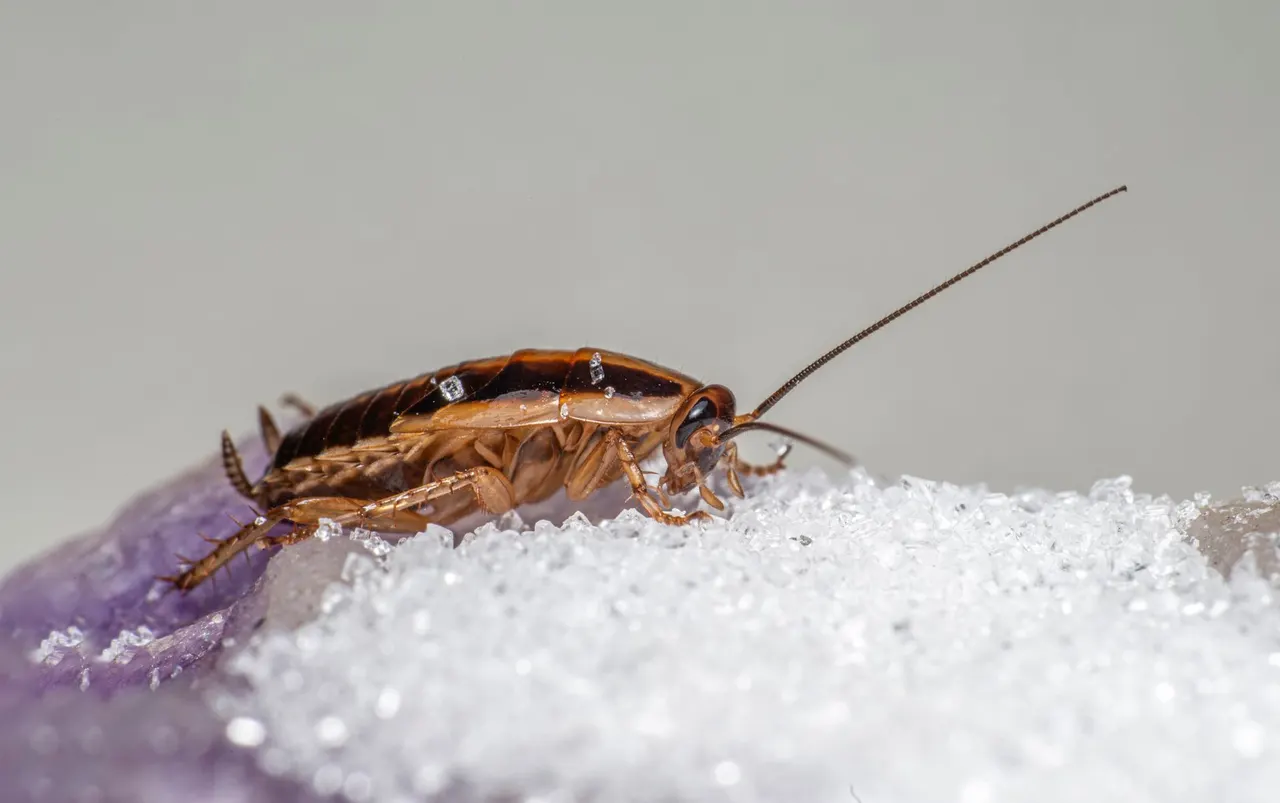
Downtown lies south of New Center within Detroit; its office and residential properties form a nearby part of our service region.
Local coverage and details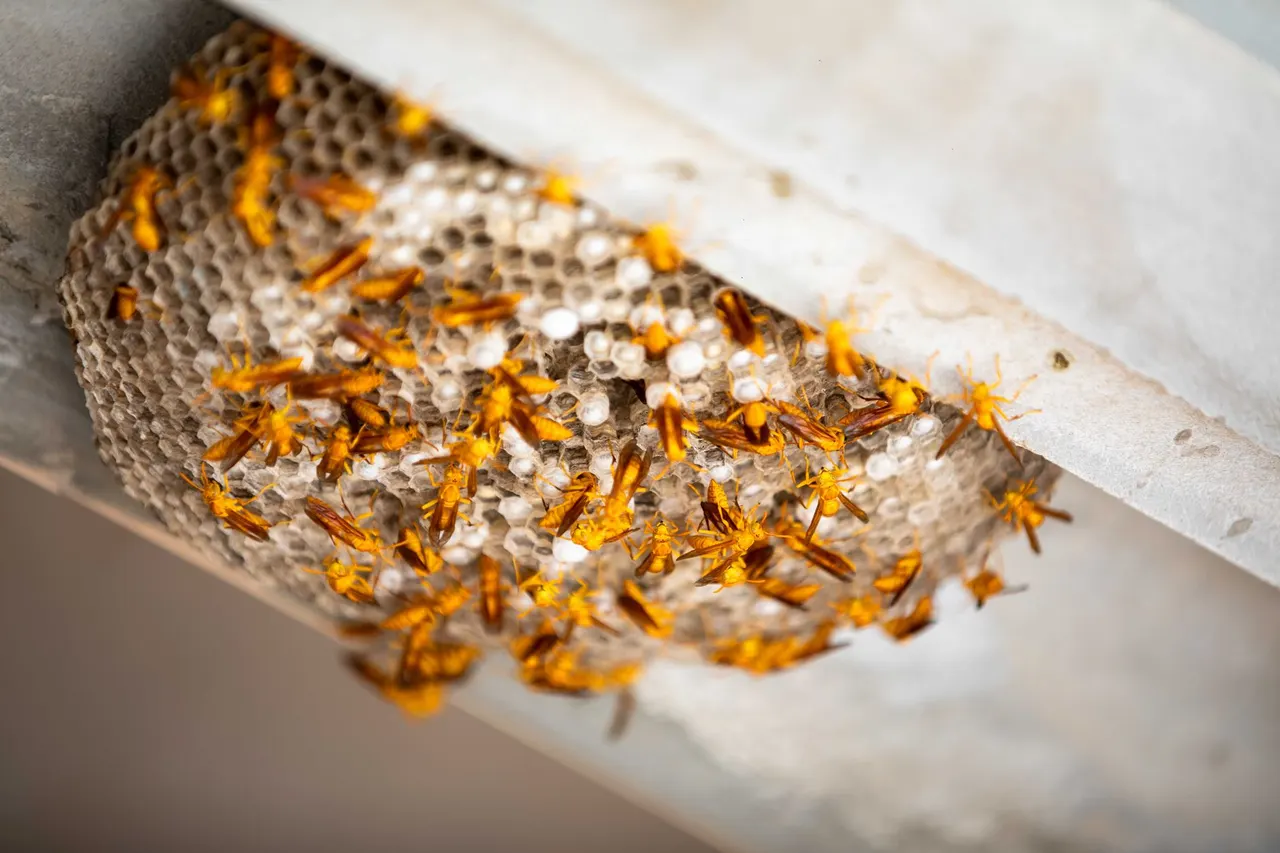
Midtown is south of New Center and connected by Detroit's central street network, making it a neighboring service area.
Local coverage and details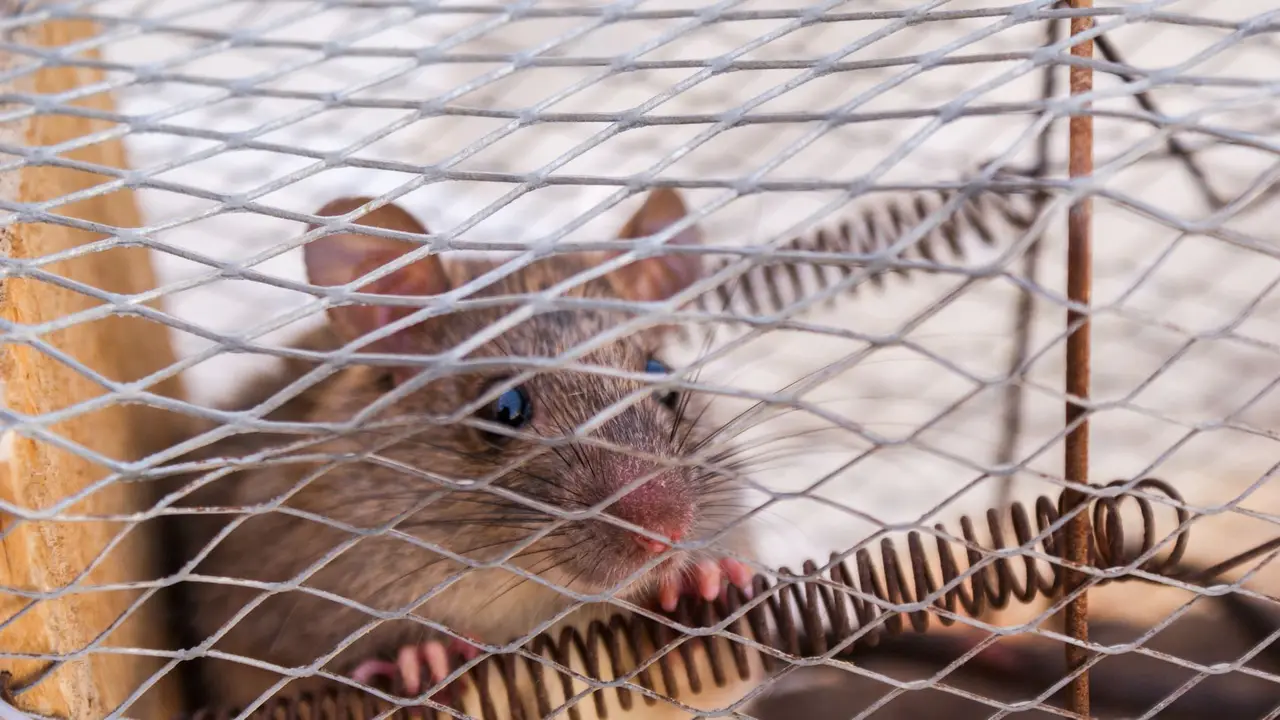
Corktown is southwest of New Center across central Detroit; we serve properties there as part of the same citywide coverage.
Local coverage and details
Mexicantown is southwest of New Center, with travel routed through Detroit streets according to the service address.
Local coverage and detailsA good contractor should explain what the inspection found, what treatment targets, and what you need to do before and after the visit. That matters in New Center, where an apartment, historic home, office, and institutional building each require a different access plan. Ask about credentials, product use, follow-up, and experience coordinating with property managers. Clear answers should name the pest and the work, not promise a result without explaining the steps.
The answer should describe inspection points such as droppings, trails, openings, moisture, or damaged material. A contractor who jumps straight to treatment may miss the condition allowing repeat activity. In New Center's older buildings, ask how they will check accessible utility and foundation transitions.
Michigan pesticide work must follow applicable state requirements and product labels. Ask who will perform the application and how the treatment complies with the product directions. A clear response should identify the relevant credential category and explain any occupant precautions for apartments, offices, or shared areas.
New Center properties often have shared entrances, business hours, and occupied spaces. A capable contractor should discuss access, work zones, preparation, and communication with the manager or occupant. That answer shows whether the service plan fits your building rather than interrupting operations unnecessarily.
Some pest issues require monitoring or a return visit, and results should be judged against observable signs. Ask which locations will be checked, what timeframe applies, and what would trigger another step. A useful answer gives you a way to track progress instead of relying on vague reassurance.
Treatment works best when entry gaps, food access, moisture, or clutter are addressed where relevant. A good technician gives practical steps for your specific room or building and separates urgent repairs from routine housekeeping. For shared properties, ask who should handle each item.
National Pest Management Association
National Pest Management Association
General liability coverage for pest management operations
Member
Professional participant
A focused inspection or single-area treatment often costs $180-$450, while broader work can range from $300-$900 or more. Typical 2026 pricing depends on the pest, building size, access, and follow-up needs. Bed bug treatment may run $500-$1,500 per affected room or treatment area. We give upfront pricing after learning what you have seen and which rooms are involved; historic construction and connected units can require additional inspection time.
The best fit is a licensed local provider that identifies the pest, explains the treatment, and plans follow-up around your building. Aardvark Motown Pest Control has served Detroit for 46 years and handles New Center homes, offices, and mixed-use properties. Ask how the technician will inspect shared spaces, what preparation is needed, and how results will be checked. Those answers matter more than a broad claim of being the best.
You need an inspection when you find fresh droppings, repeated insect activity, bed bug signs, a nest near an entrance, or evidence of animal entry. A single old sign may not indicate an active infestation, but recurring evidence deserves attention. New Center's historic and multi-unit buildings can hide routes behind trim or shared utility spaces. We inspect the evidence and explain whether treatment, monitoring, or exclusion is the next step.
Rodents, cockroaches, ants, bed bugs, termites, wasps, mosquitoes, and nuisance wildlife are among the pests property owners may encounter. Which one appears depends on the building, season, access points, and nearby conditions. Cold weather often brings rodent concerns indoors, while warm months make insects more visible. We identify the pest before choosing a treatment so you do not pay for the wrong control method.
Choose a company that explains its inspection, applicable Michigan applicator credentials, product-label precautions, and follow-up plan. For apartments or offices, ask how it coordinates access across shared areas and keeps work zones practical. If you need residential pest control New Center service, describe the rooms and signs clearly when booking. Compare the proposed work and price against the problem identified, not just a promise of immediate results.
Not seeing your question? Our local team can help you understand urgency, scheduling and what to expect.
Ask the local teamCall Aardvark Motown Pest Control at (313) 879-5917 to discuss insects, rodents, bed bugs, termites, or wildlife at your property. Our regular phone hours are Monday through Friday, 8:00 a.m. to 6:00 p.m.; leave a message outside those hours and include your Detroit neighborhood and the pest activity you noticed. We will respond during business hours.